

Vanuatu - Disaster Risk, Isolation, and Humanitarian Logistics in the South Pacific
Many people have never heard of Vanuatu, and even among those who have, it often remains little more than a distant name somewhere in the South Pacific. When looking at a map, the country appears as a scattered chain of small islands located roughly between Australia and Fiji, surrounded by vast stretches of ocean and far removed from the main centers of global attention.
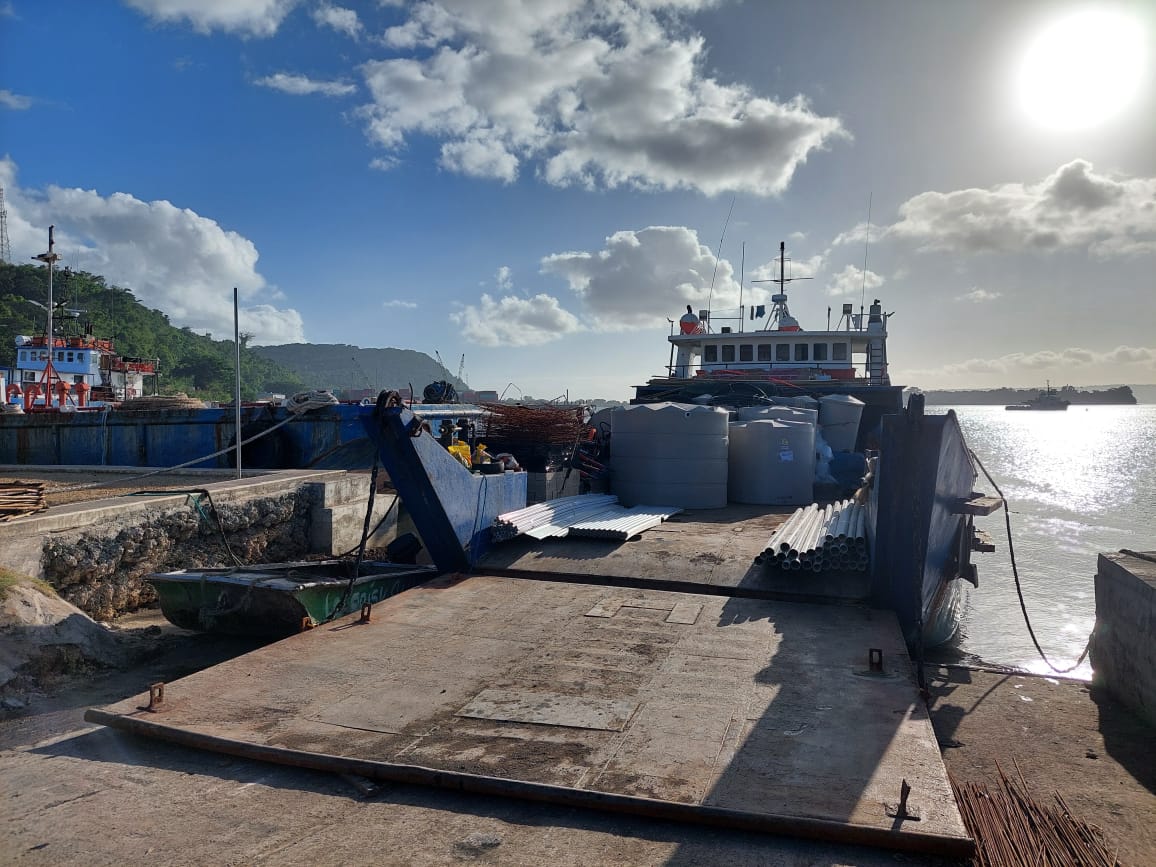

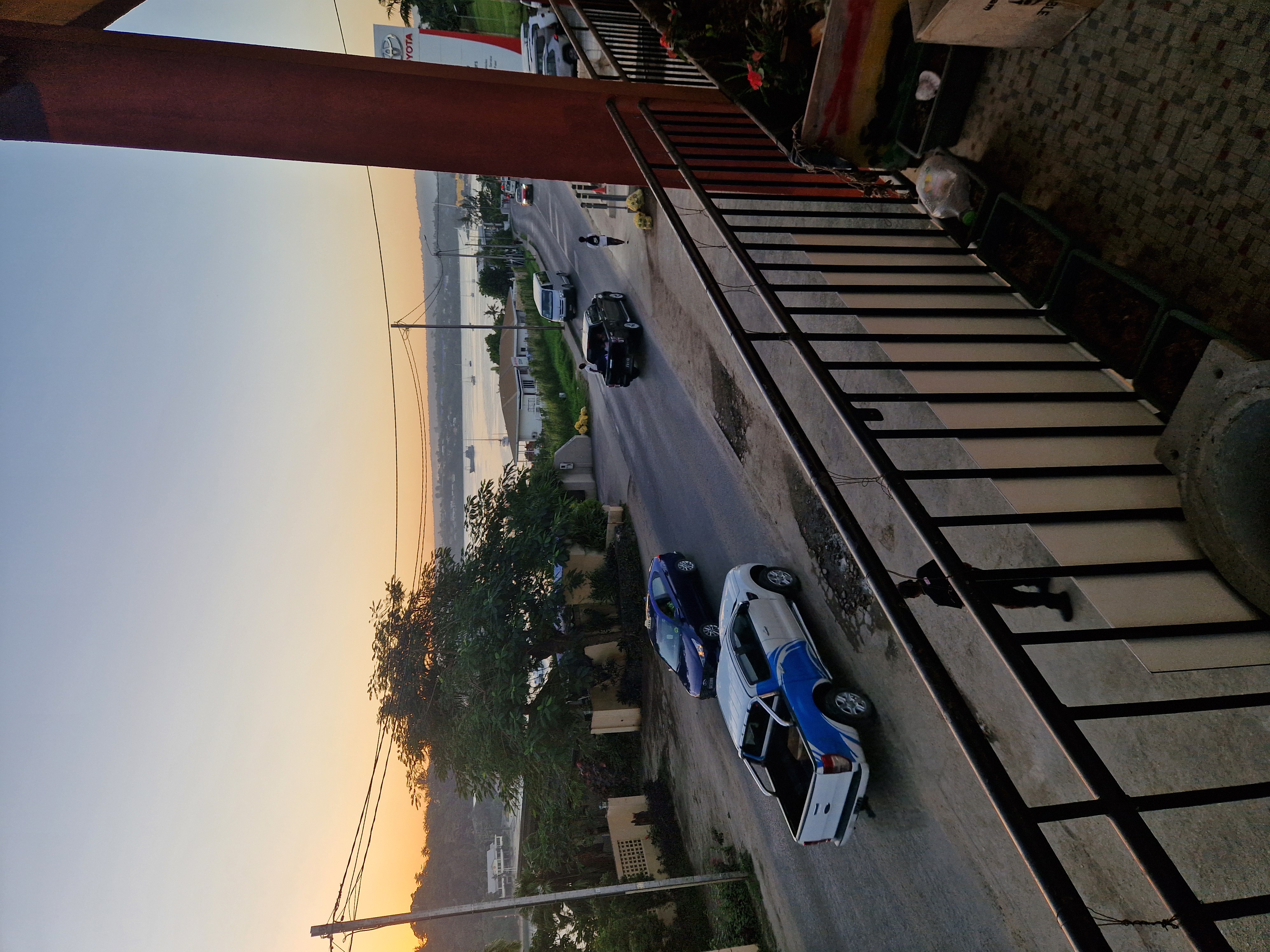
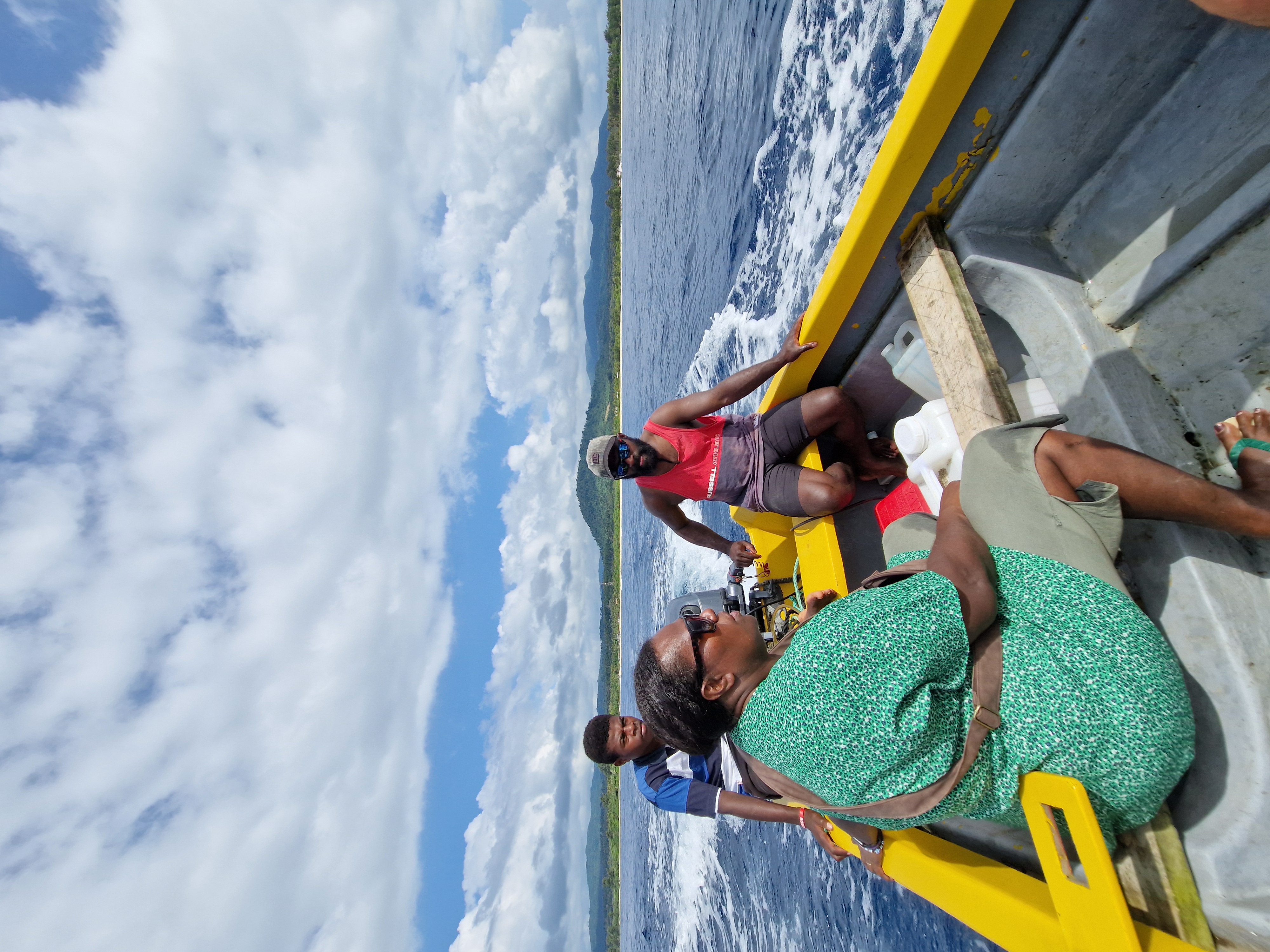
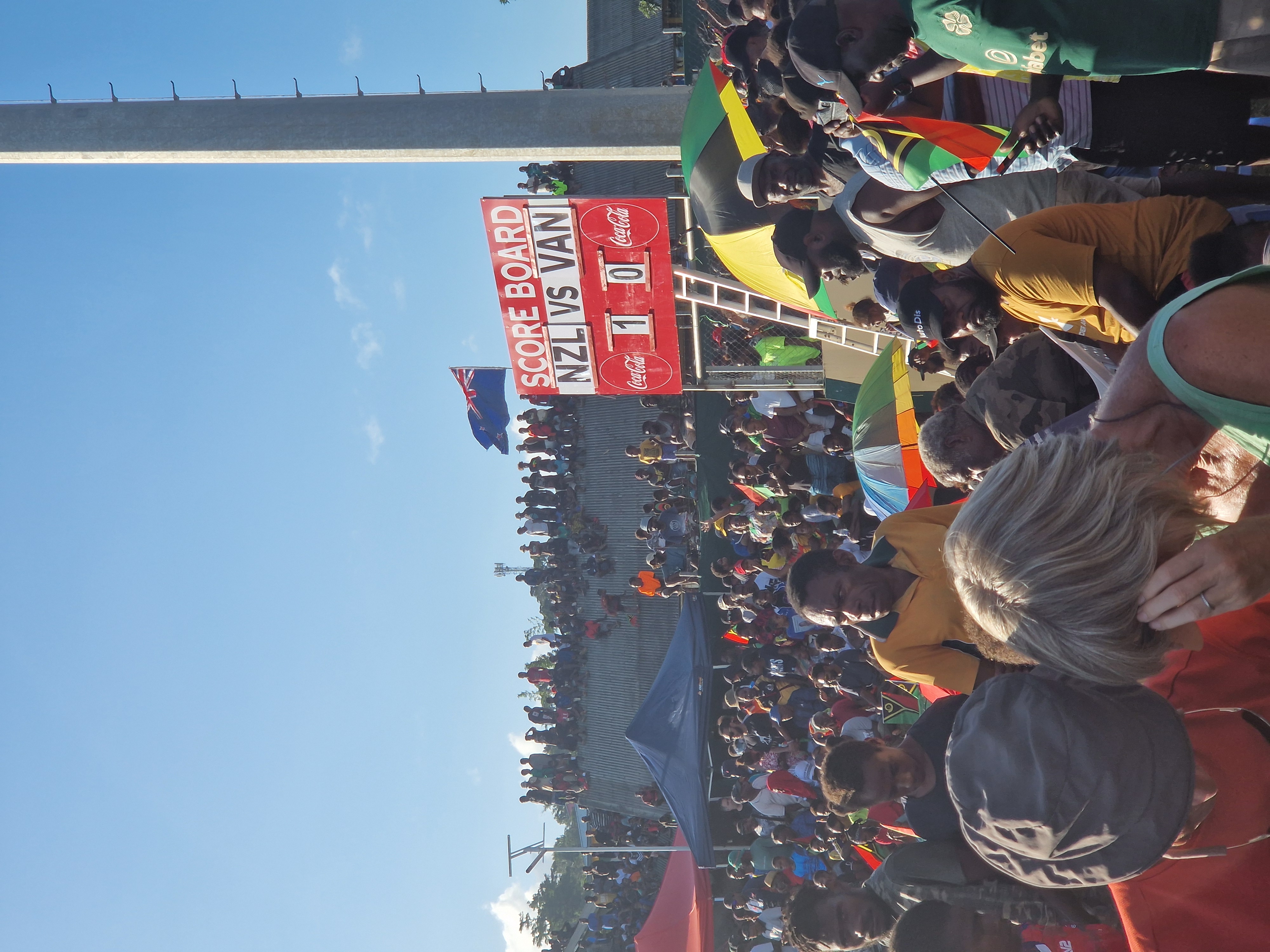
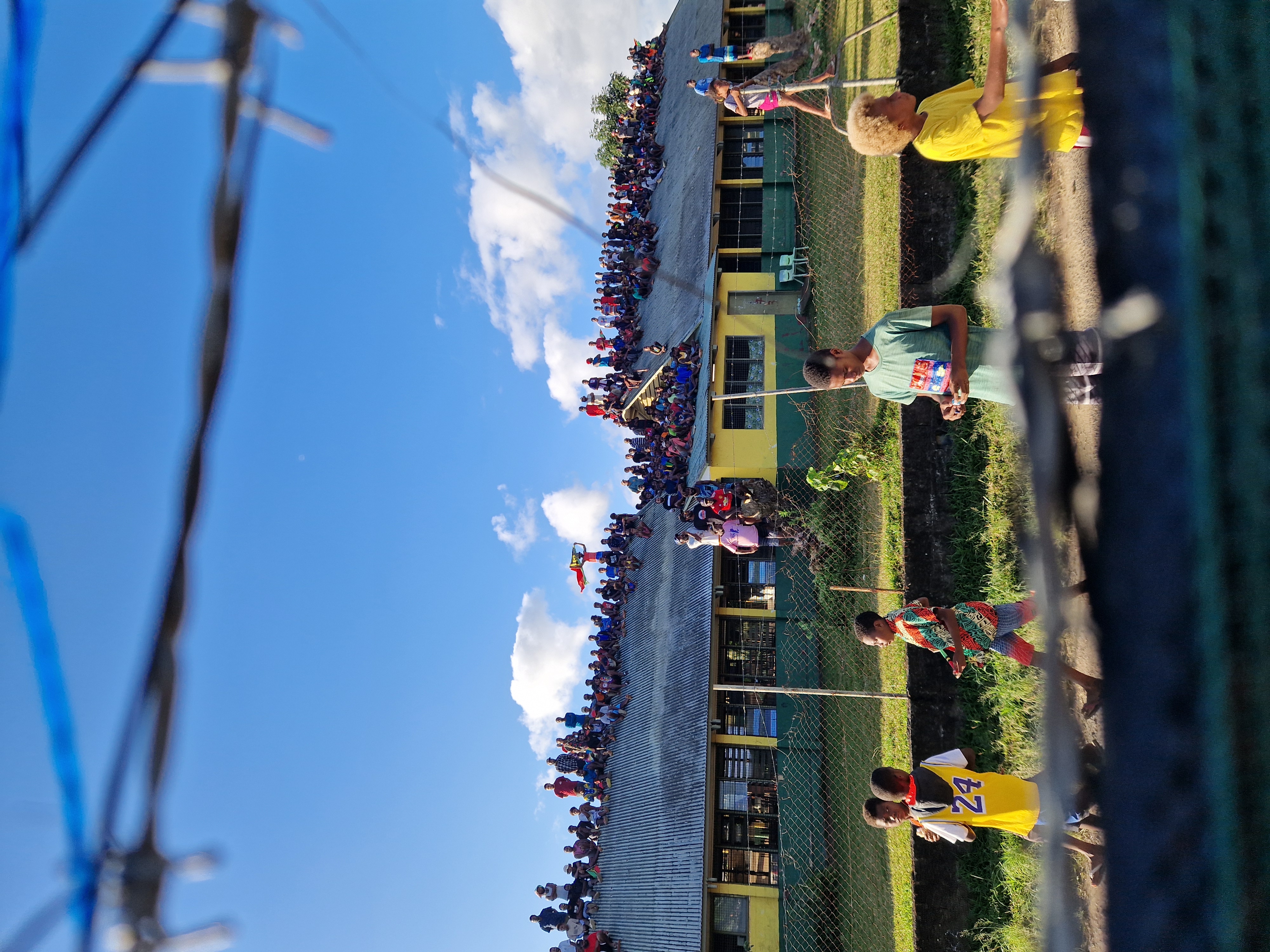
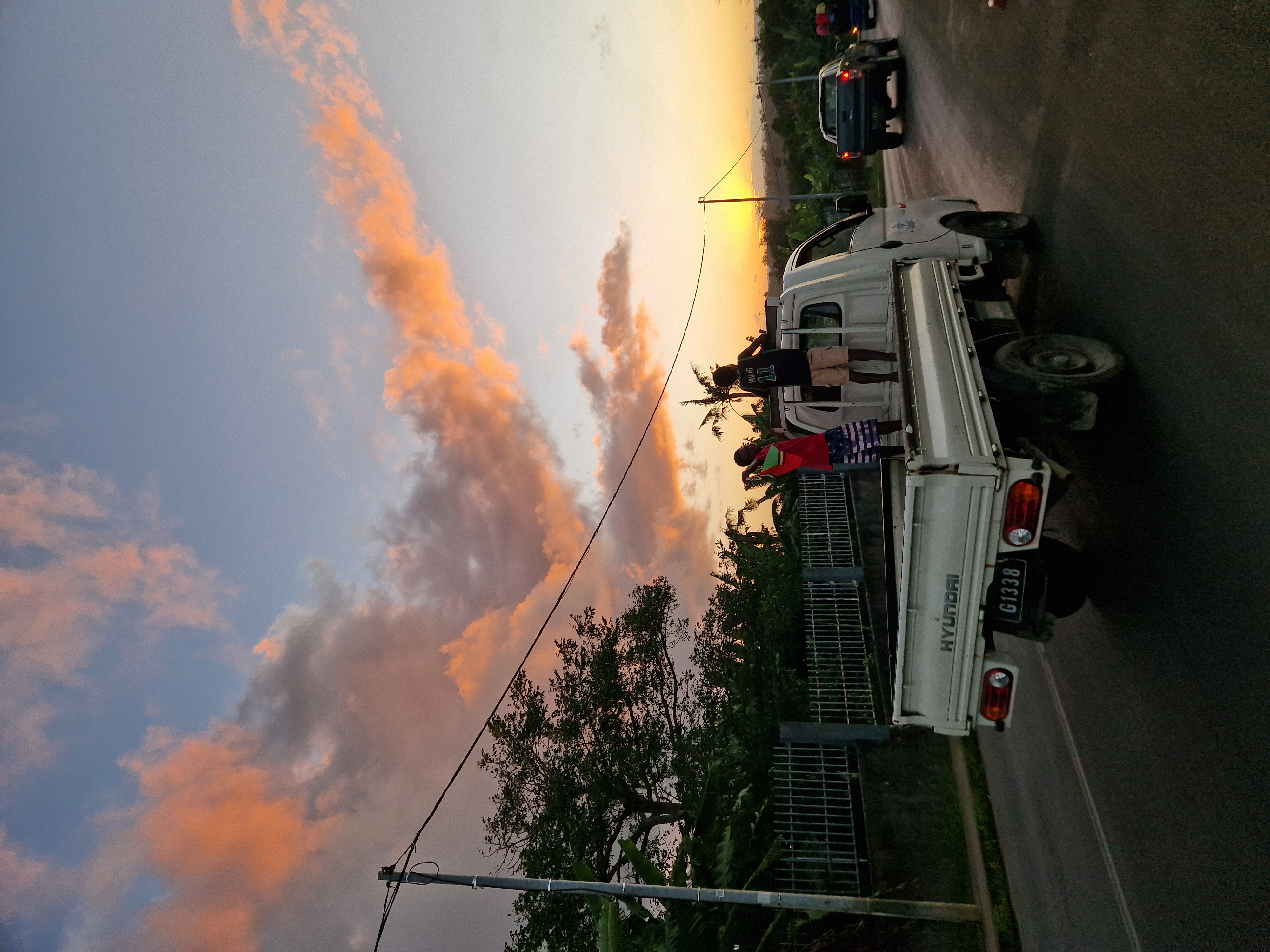
Reaching Vanuatu already gives a first impression of this remoteness. The journey usually requires several long flights, often via Australia and Fiji, before finally arriving in Port Vila, the country’s small capital. From there, the geography of the country becomes immediately apparent. Vanuatu is not a single island but an archipelago of more than eighty islands, many of which are home to small communities that live far from major infrastructure and are connected to the outside world only through irregular flights or occasional boat transport.
This isolation shapes almost every aspect of life in the country.
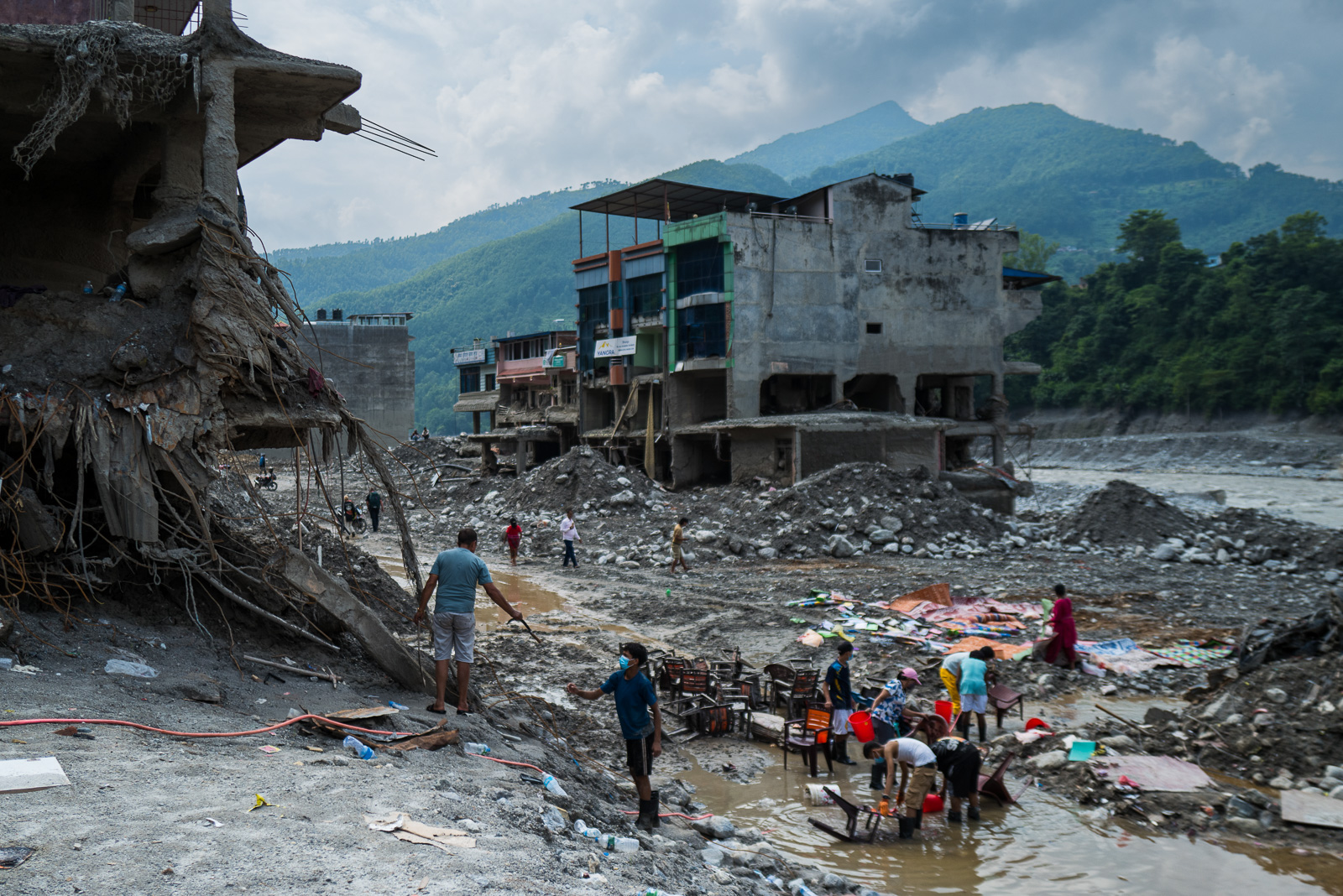
At the same time, Vanuatu is widely considered one of the most disaster-exposed countries in the world. The islands sit along the Pacific Ring of Fire and are regularly affected by earthquakes, volcanic activity, cyclones, and occasionally tsunamis. Tropical storms frequently cross the region, bringing heavy rainfall, flooding, and strong winds that can damage homes and disrupt already fragile infrastructure.
For someone working in disaster risk and humanitarian response, this makes Vanuatu a particularly interesting place to work. Few countries illustrate the reality of living with constant natural hazards as clearly as this island nation, where communities have developed ways to adapt to recurring environmental threats while still facing significant structural vulnerabilities.
The logistical reality of operating in such a country quickly becomes clear once work begins.
Shortly before my arrival in June 2024, Vanuatu’s national airline had declared bankruptcy. This airline had previously provided the main connection between the capital and many of the outer islands, and its sudden collapse meant that regular domestic flights were no longer available. As a result, reaching project locations on different islands became significantly more complicated and expensive, often requiring charter flights in small aircraft that were highly dependent on weather conditions.
For humanitarian programs operating across multiple islands, this change had immediate consequences. Project teams frequently had to charter small planes to reach communities, which increased operational costs and required careful planning around unpredictable Pacific weather systems. In several cases, colleagues remained stranded on remote islands for days because storms or strong winds prevented small aircraft from landing or taking off.
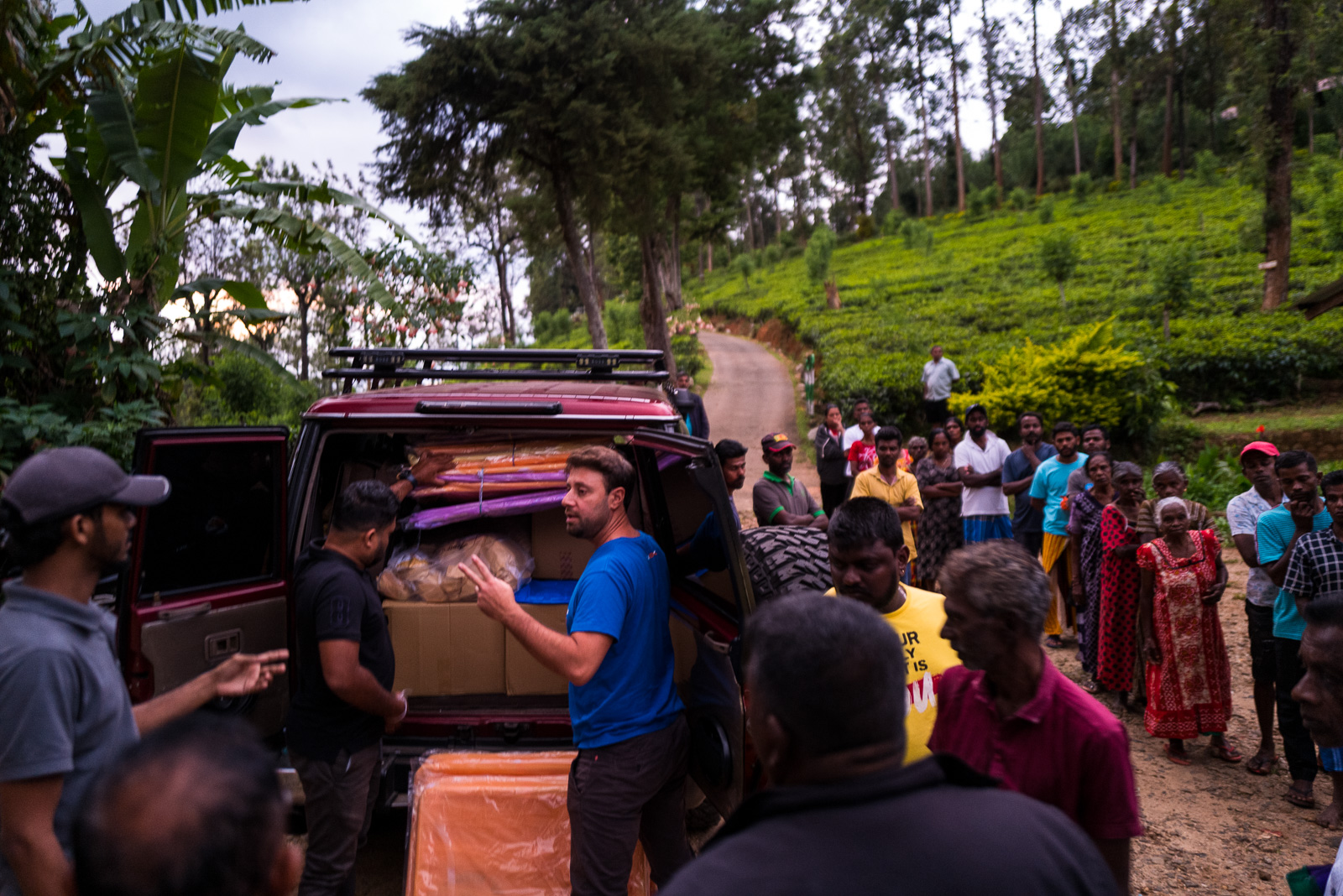
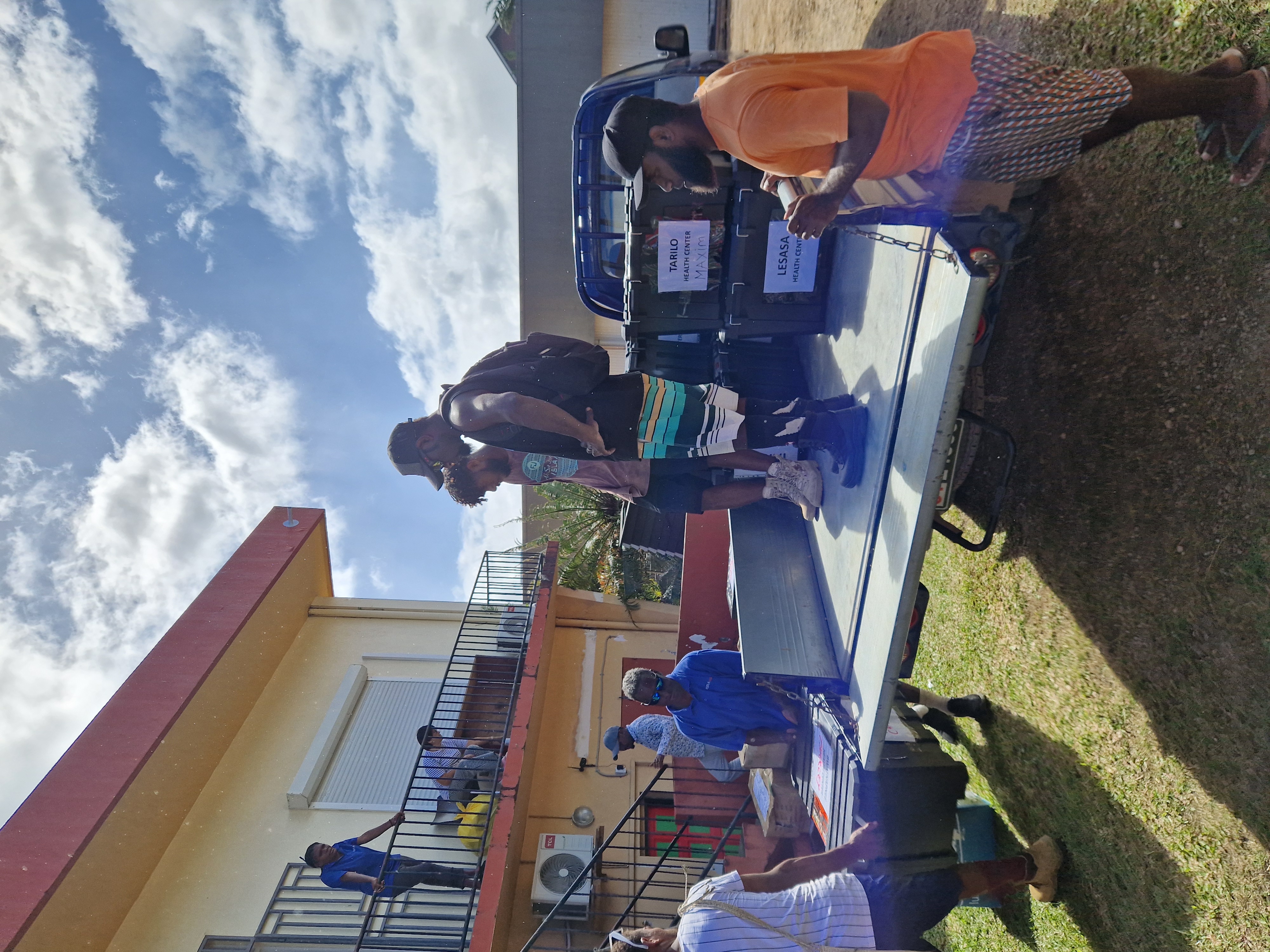
Transporting materials was equally challenging. Many essential supplies had to be shipped across long distances before reaching the islands, and once inside the country, moving equipment between islands required coordination with limited transport options, fluctuating weather windows, and very small cargo capacities.
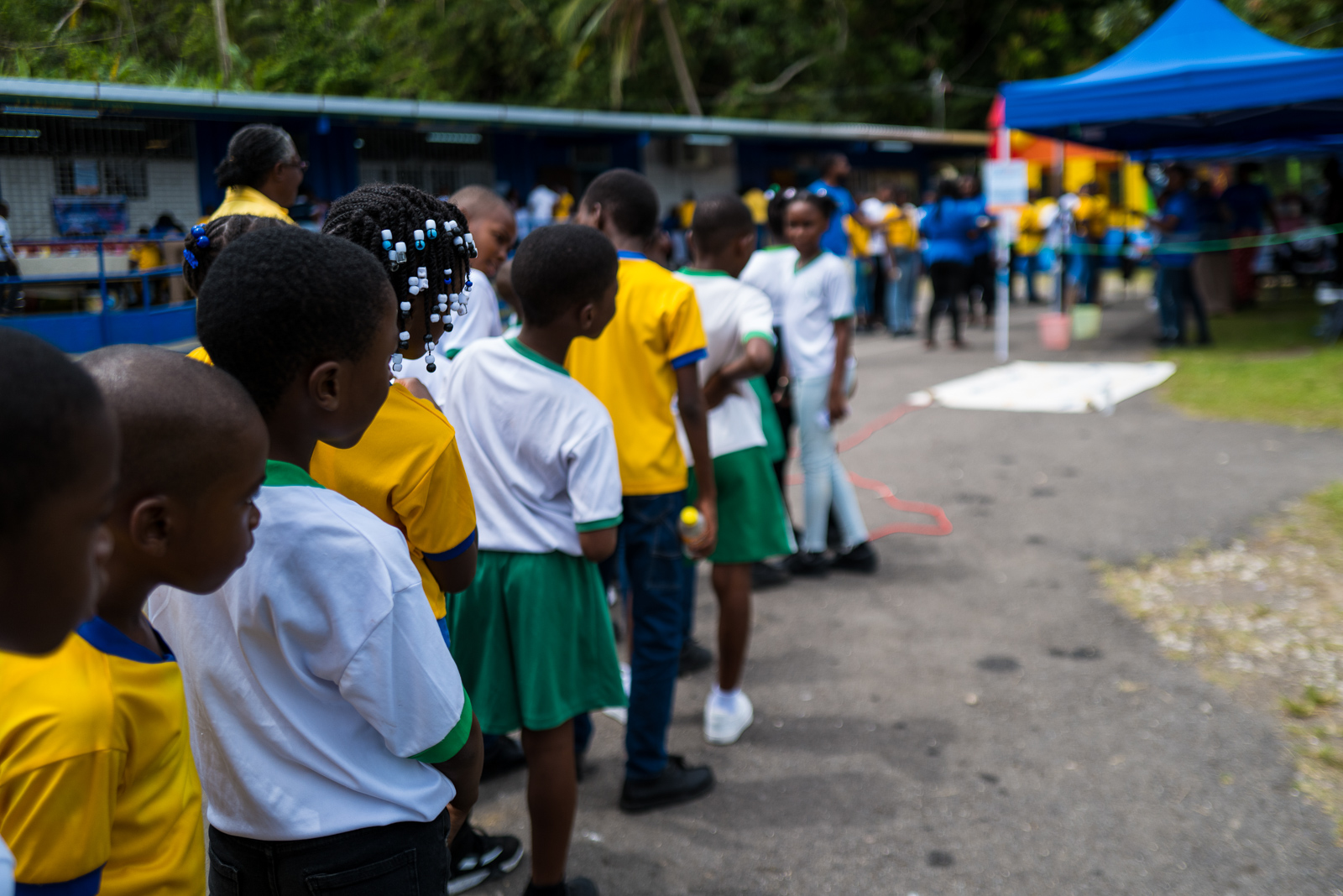
The projects I was involved in focused primarily on WASH activities, including water supply and hygiene programs, alongside mental health and psychosocial support initiatives. Both components were funded through USAID and addressed challenges that often emerge after repeated natural disasters.
Access to safe water and sanitation remains a critical issue in many island communities, particularly after storms or heavy rainfall events that can damage infrastructure or contaminate water sources. At the same time, there has been growing recognition that natural disasters do not only affect infrastructure and livelihoods but also place significant psychological stress on communities.
In several communities, local partners had observed increasing levels of stress and tension following disaster events, sometimes contributing to higher levels of domestic violence within households. Mental health and psychosocial support programs therefore became an important part of the broader response strategy, focusing on community awareness, support networks, and training for local facilitators who could provide assistance within their own communities.
Working in Vanuatu also highlights another operational challenge that is often underestimated in remote island contexts: human resources.
With a relatively small population distributed across many islands, the pool of professionals who are available for project work is naturally limited. Recruiting staff who are willing and able to travel between islands or spend extended periods in remote locations can therefore be difficult. At the same time, maintaining strong local teams is essential for ensuring that projects remain sustainable once international staff leave.
My own role during the mission focused primarily on project management and organizational structure. The objective was to bring clear planning and coordination into a one-year program that involved multiple partners, different islands, and a relatively small but highly dedicated team. This included introducing project management tools, improving internal coordination processes, and helping the team structure their activities so that implementation remained aligned with the program timeline and objectives.
Despite the many logistical difficulties, working in Vanuatu was also a reminder of how strongly communities can adapt to living in environments that are constantly exposed to natural hazards.
Across the islands, people have developed practical ways to cope with environmental uncertainty, drawing on strong community networks and local knowledge that often allows them to respond quickly when disasters occur. At the same time, the increasing intensity of storms and other climate-related events is placing additional pressure on these systems, making international cooperation and disaster risk reduction efforts increasingly important.
Vanuatu may be geographically remote, but the challenges it faces are closely connected to global questions about climate resilience, disaster preparedness, and the ability of small island nations to navigate a future shaped by environmental change.