

Sri Lanka - Landslides, a Two-Person Team, and Teaching Instead of Treating
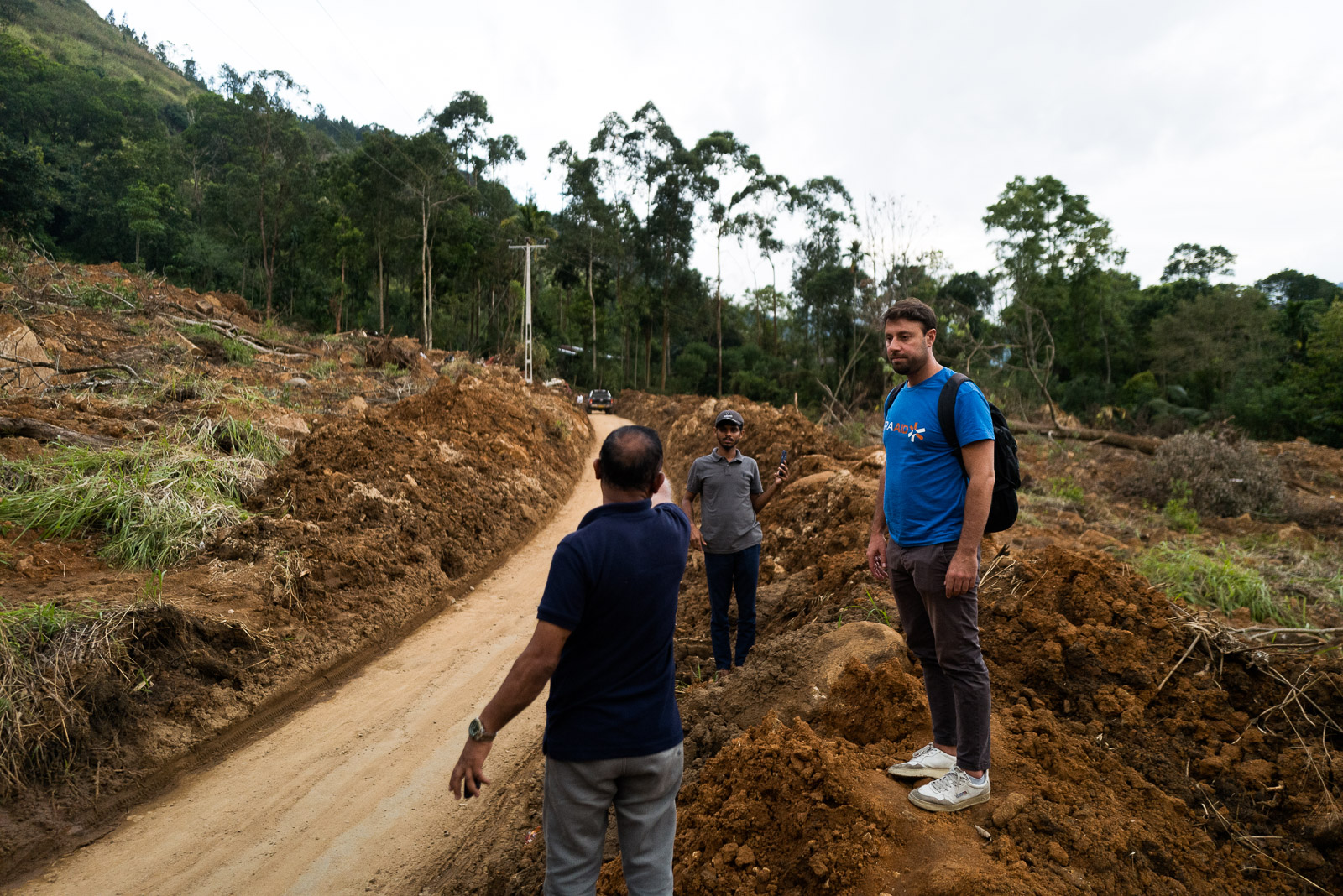
The road ends in a wall of red earth. A few minutes ago it was a narrow strip of asphalt climbing through the jungle, tea bushes on the slopes above us, a drop into green mist below. Now half of the hillside lies across it, a palm tree sticking out at an angle with its roots in the air. Our driver switches off the engine, gets out and makes a phone call. Nobody seems surprised. A man on a motorbike squeezes past on a footpath that probably did not exist yesterday. Ten minutes later we know there is another way around, and that it will cost us two hours.
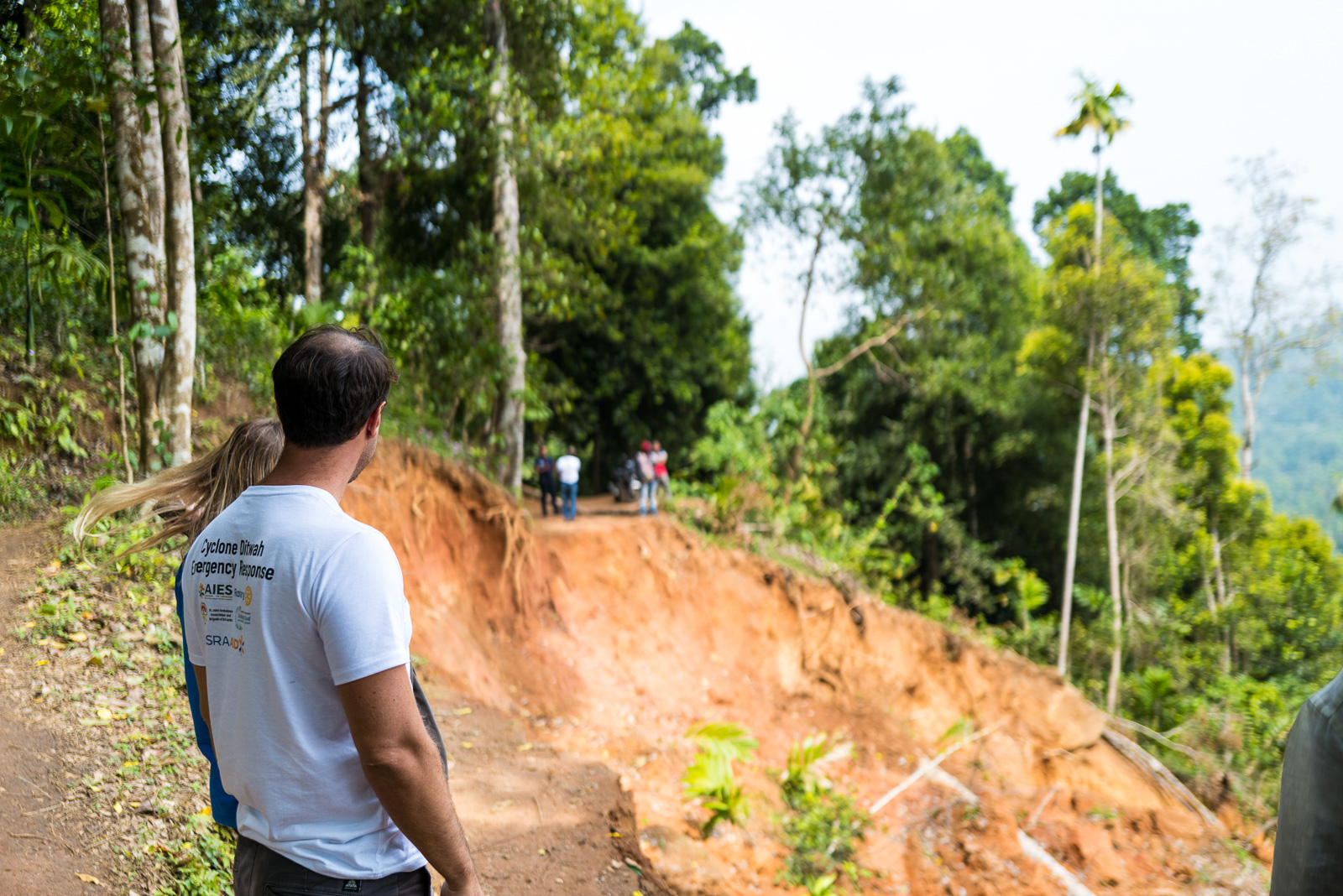
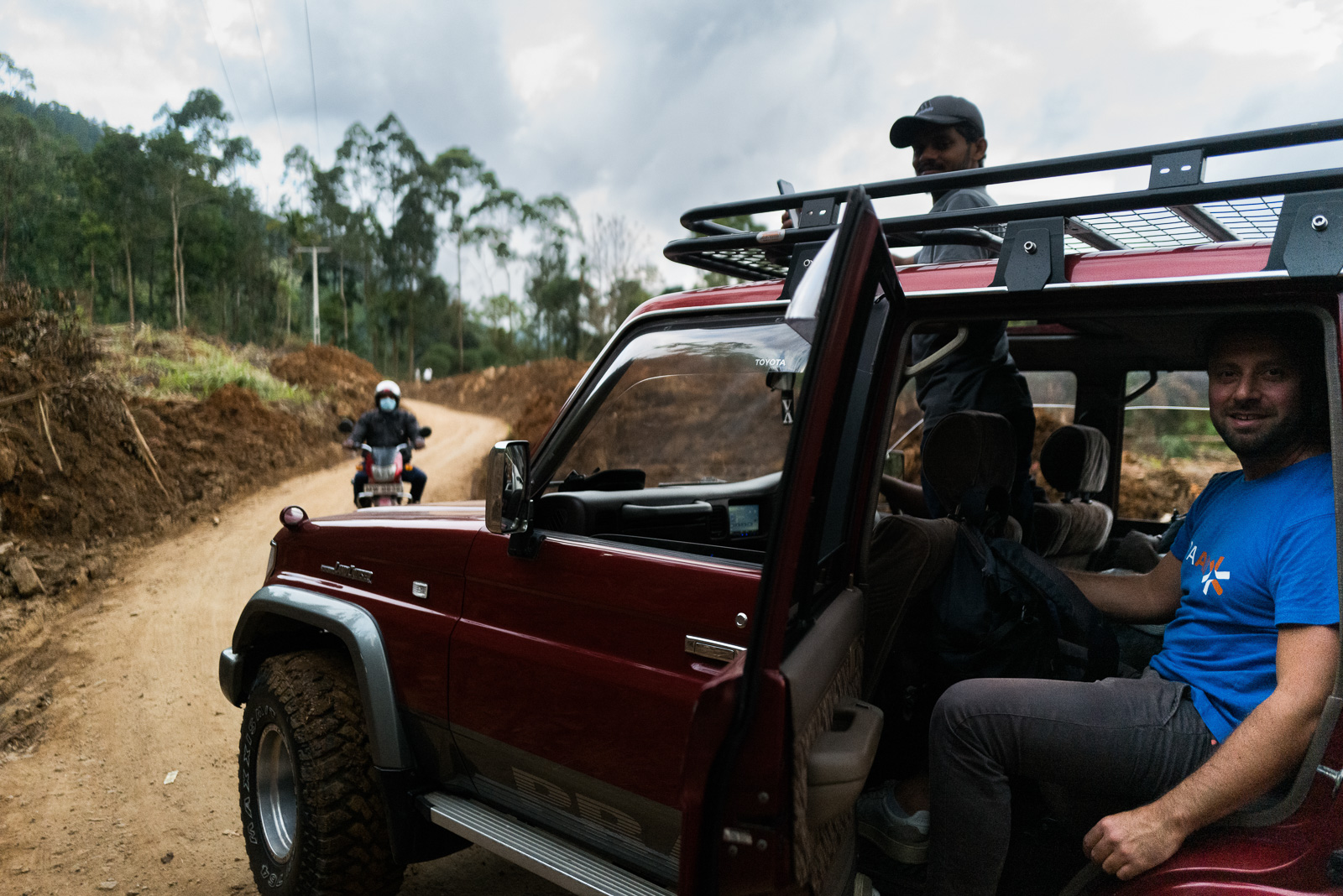
This became routine in the central highlands of Sri Lanka. They are among the most beautiful landscapes I have worked in: steep ridges covered in jungle, tea estates cut into the slopes like contour lines on a map, waterfalls, small white temples on the hilltops, and in the evening a fog that climbs up the valleys so fast you can watch it move. As an engineer, though, you look at these slopes with mixed feelings. They are steep, the soil is deep and soft, and it rains a lot. Everything a landslide needs is already in place. It only needs a trigger.
At the end of November 2025, the trigger came.
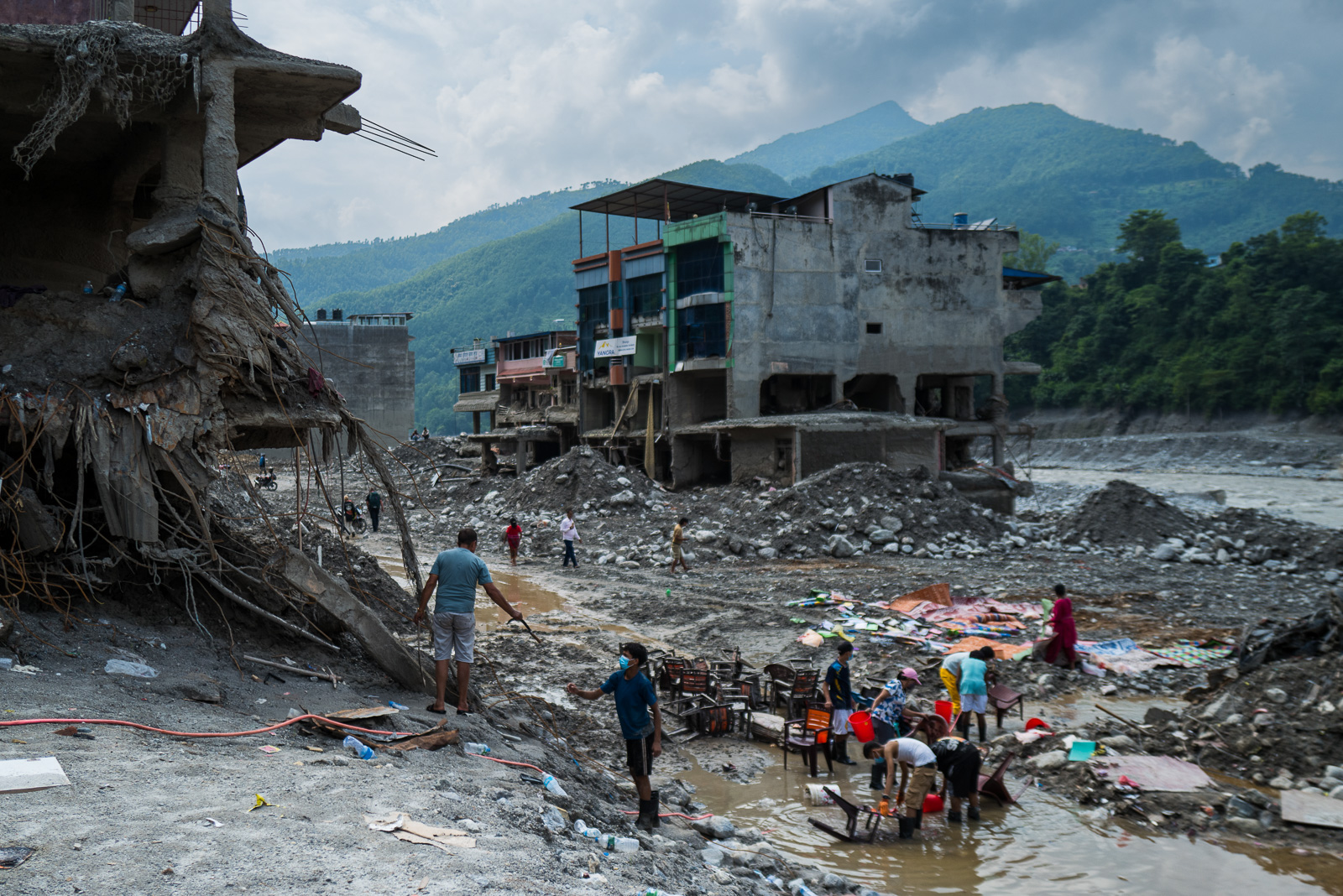
Cyclone Ditwah made landfall on November 28 and brought between 150 and 500 millimeters of rain in three days. It affected every single district of the country. In the first week, the national Disaster Management Centre (DMC) counted more than two million people affected, close to 290,000 displaced and over 600 dead. Along the coast the water receded within days and most people could go home. In the highlands, more than 1,000 landslides took houses, roads and, in many places, the ground itself. Where a slope has slid into the valley, you cannot simply rebuild. Families who had lost their homes were living in schools and temples, with no clear idea of when or where they would live again.
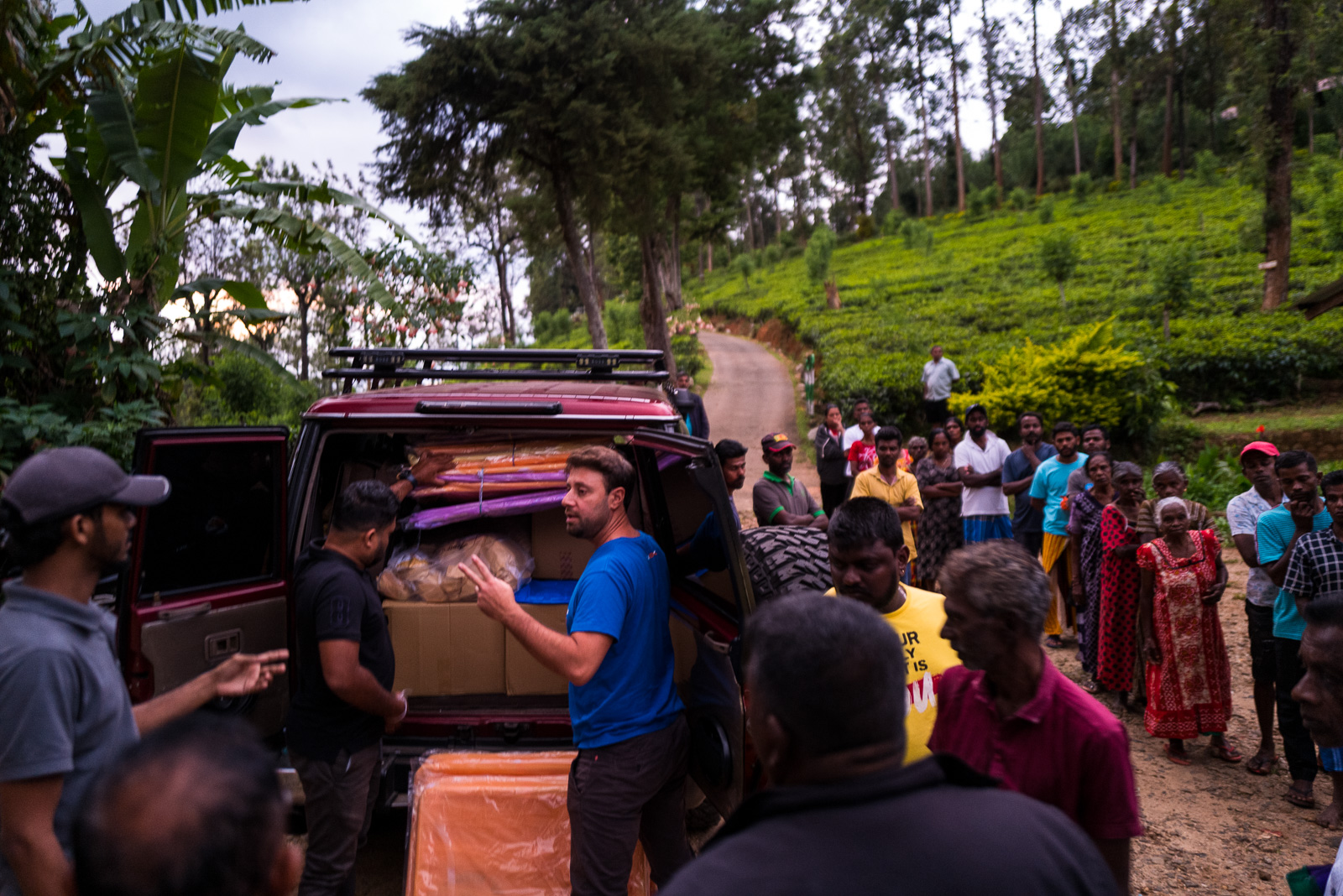
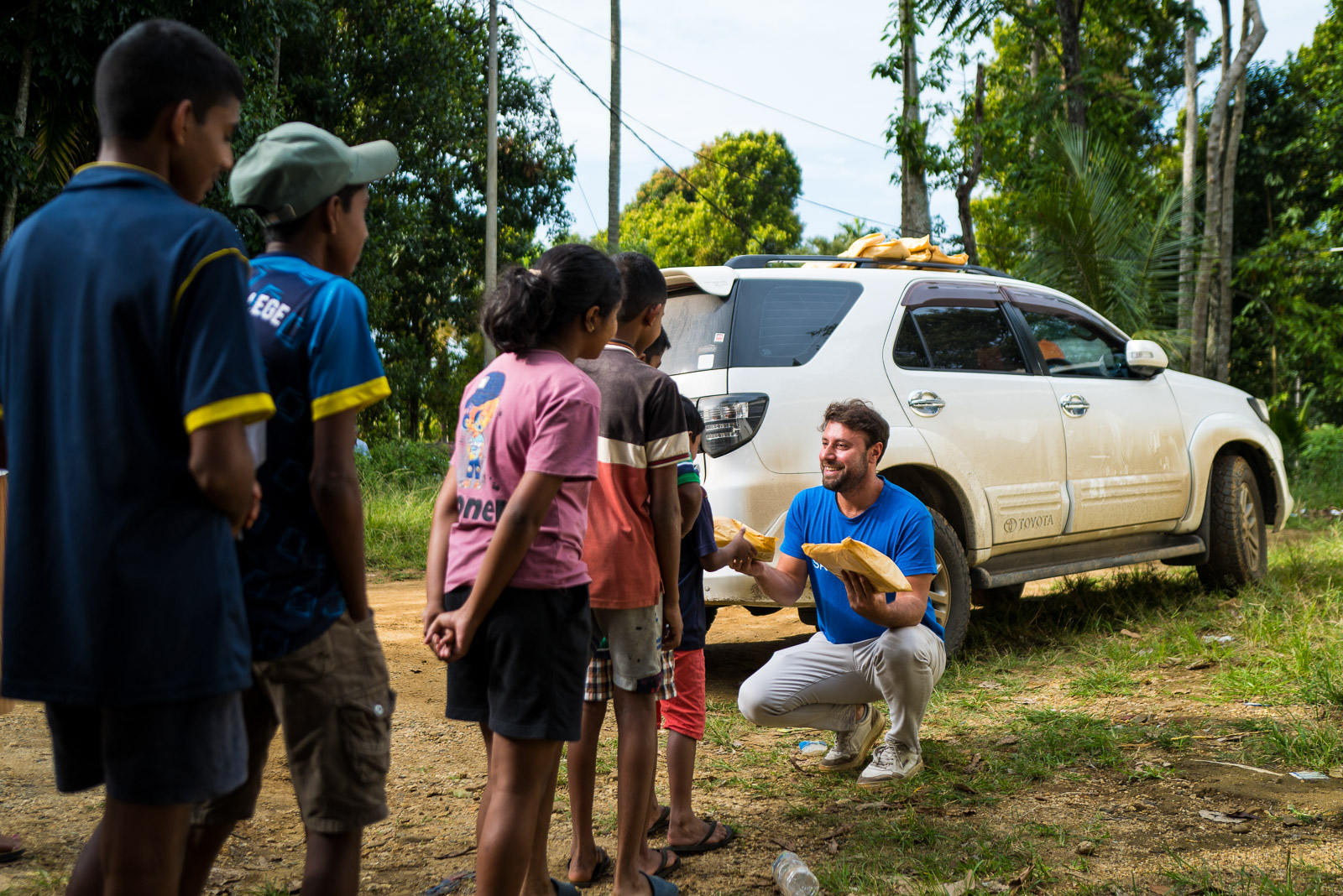
We were a team of two, sent by an international NGO, one of us officially for operations, one for programs. In practice the line between the two disappeared on the second day. A distance of 50 kilometers on the map meant three and a half hours on the road, on a good day. The car became our office: emails, budgets and reports written on hairpin bends between two field visits. On top of that, the mission fell over Christmas and New Year, when international partners and our own headquarters were hard to reach for almost two weeks. So we organized most things ourselves: procurement, transport, routes, partners. In the evenings, volunteers from a local service club helped us pack hygiene kits and buy supplies. And we learned a few practical things along the way. Leeches, for instance, let go if you put salt on them. Burning them does not work. We tested it.
The most important door in all of this was the DMC, the government authority that coordinates disaster response in Sri Lanka. In many countries a small foreign team is, honestly, more of a burden for the authorities than a help. Here, from our first meeting at their Emergency Operations Center in Colombo, doors opened: letters of support, access to affected divisions, contacts, help with the paperwork for importing supplies. Their people treated us as partners, not as visitors who needed to be managed.
Out in the hills, one of their officers became something like our guide. By training he was a teacher, and you could tell. He had a piece of life wisdom ready for every situation, delivered with an openness that was hard to match, and at the same time he was remarkably tolerant and modern in the way he saw the world. He looked after us as if we were guests in his own home, told us which roads we could risk and which not, and was in a good mood even on days when there was little reason for it. It was obvious that he was fighting for the people in his area, and that this was not a job description for him.
Then came the question that occupied us more than any other. Through partners in Italy, a group of Sri Lankan doctors living in Naples offered to come for several weeks. The obvious idea was to set up medical camps in the shelters, and we seriously discussed it. In the end we decided against it.
Sri Lanka has a functioning public health system, with district health authorities, local clinics, and doctors and nurses who live in these communities and will still be there next year. A temporary clinic treats people for three weeks and then disappears. There is no follow-up, no records in the local system, and a patient started on medication may find nobody to continue it. Local staff get sidelined, and people learn to wait for foreigners instead of going to their own clinic. In engineering, if a main water pipe is damaged, you do not lay a second temporary pipe next to it that you will remove again in a month. You repair and reinforce the one that is there. Humanitarian workers call this avoiding parallel structures, and the alternative capacity building: strengthening what people and institutions can do themselves, so that the effect stays after the outside help leaves.
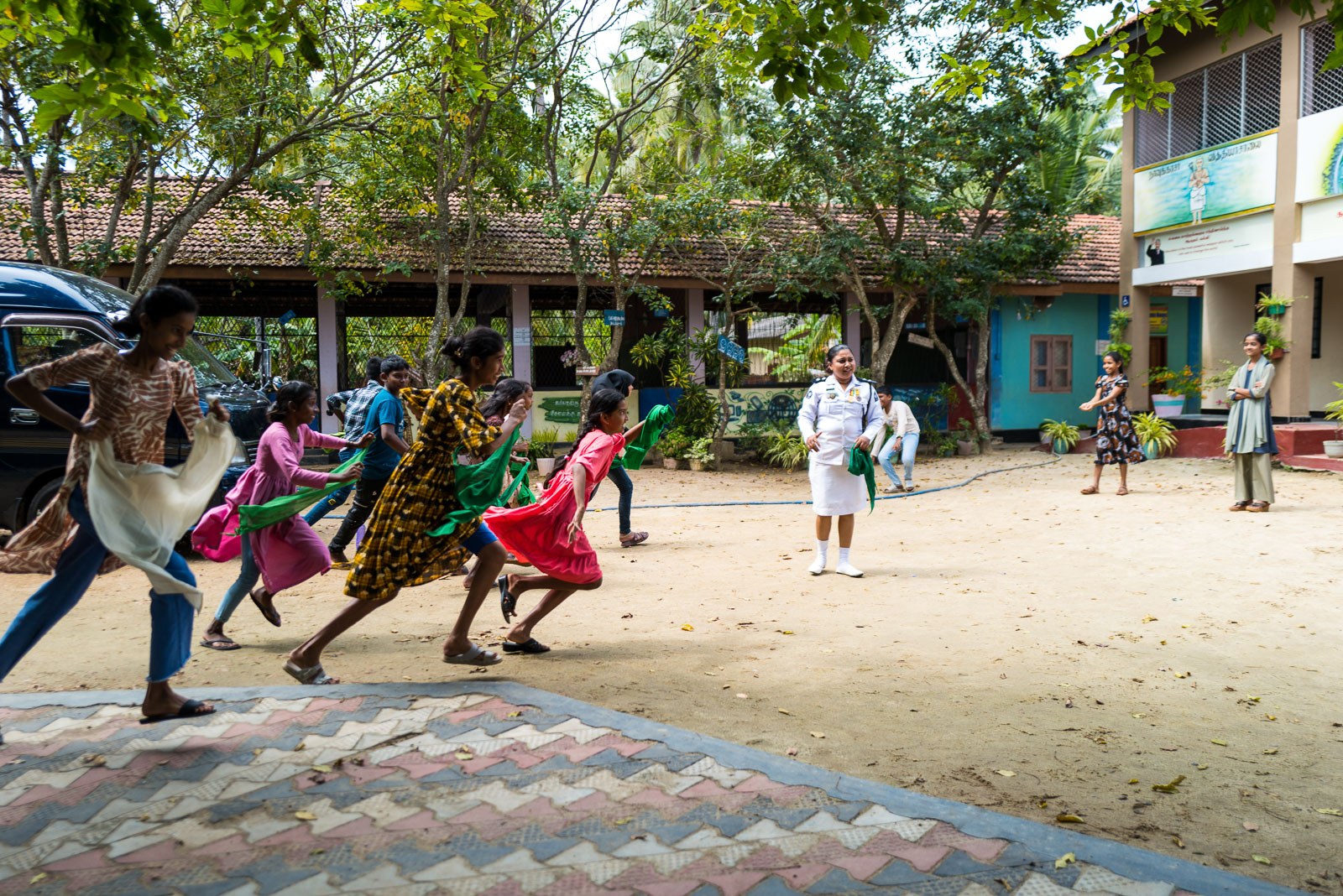
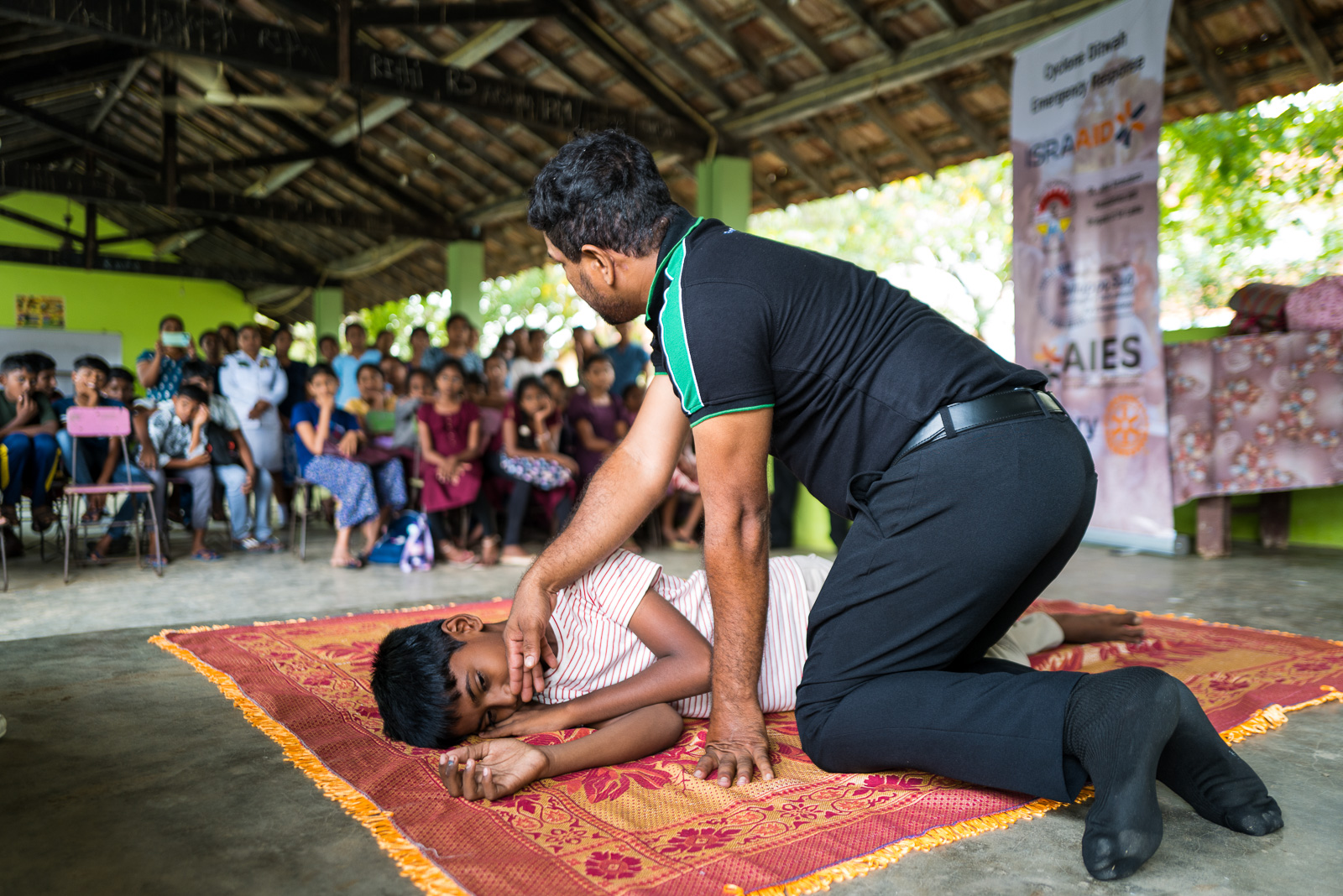
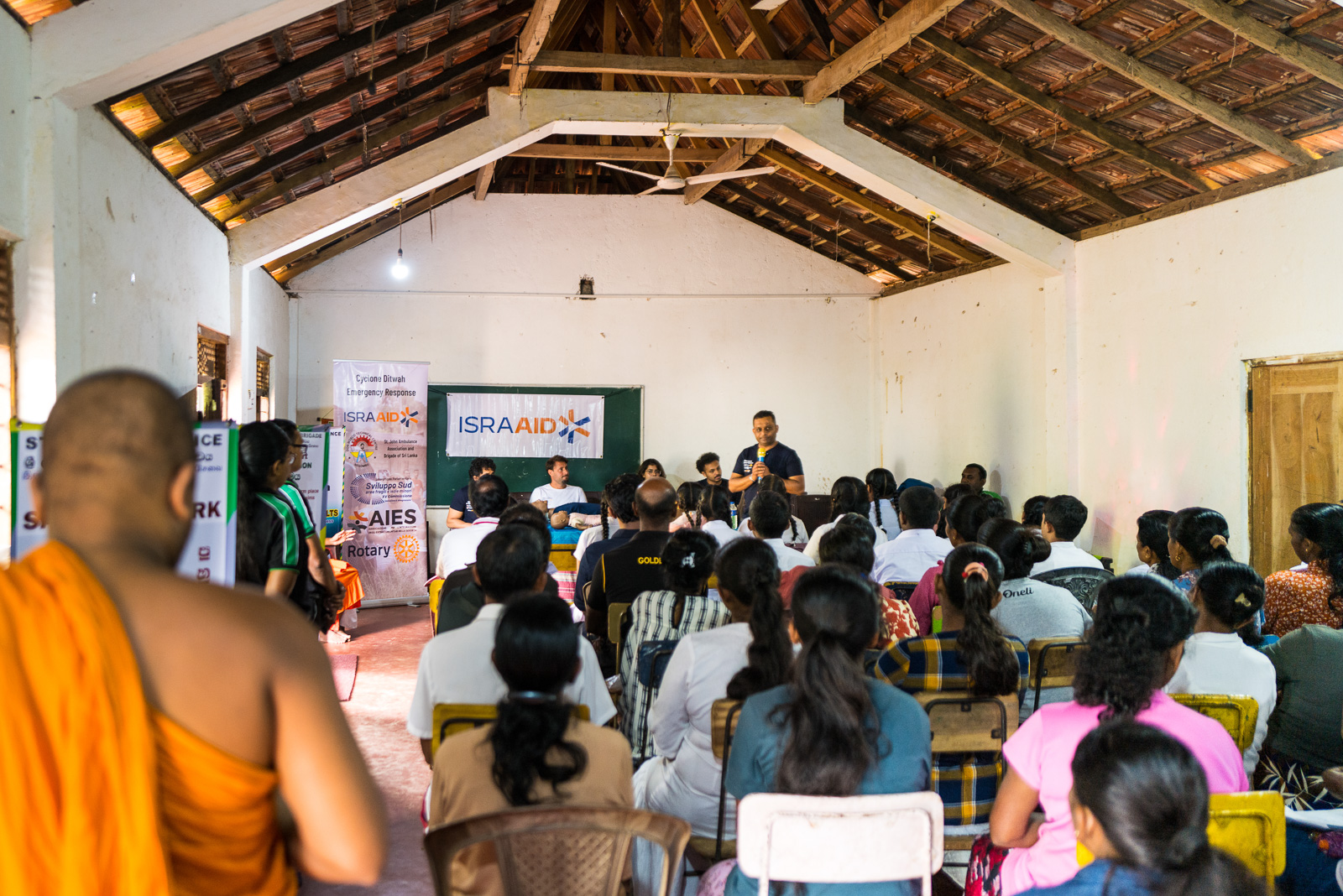
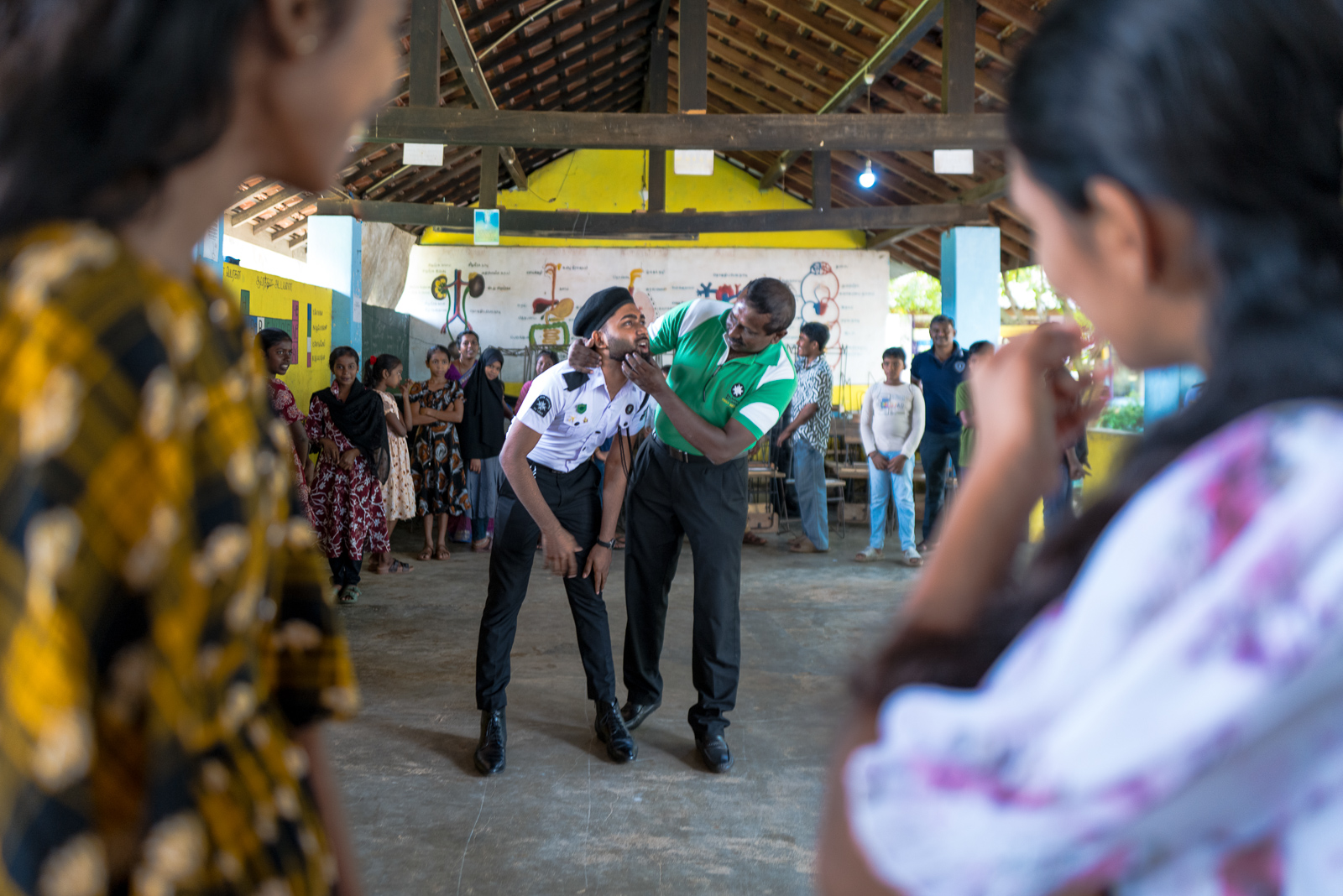
So instead of treating, we decided to teach. Together with Sri Lanka’s long-established national first aid organization, we organized first aid trainings with a certified curriculum, handbooks in Sinhala and Tamil, certificates and basic first aid kits. The doctors from Naples taught alongside the local trainers, in their own language. Over four weeks there were 18 sessions in schools, a temple, vocational centers and a divisional office, where village officers were trained to pass on what they learned. In total, more than 1,200 people.
Most participants had never had anything comparable. The children clearly had fun, practicing the recovery position on each other and bandaging each other’s arms, with a lot of laughter. But something else happened too. People left these sessions with a feeling that they could do something. After weeks of being on the receiving end of aid, they were now the ones who knew how to help their family or their neighbors. Psychologists call this self-efficacy, and it is one of the central elements of what the sector calls MHPSS, mental health and psychosocial support: helping people cope emotionally after a crisis. We had not designed the trainings for this. Next time, we would combine the two deliberately, with short segments on breathing, grounding and talking in the group, right next to the bandages.
What impressed me most, as on many missions, was how people supported each other long before anyone from outside arrived. Shelters were organized by the people living in them. Drivers phoned each other about which roads were open. Volunteers packed kits late into the night. In one division, a local official kept handwritten lists of every household so that nobody would be missed or counted twice. Months after we left, local partners were still distributing 500 household water filters across the north of the country, without any of us present. That, in the end, is the point.
As a reader in Germany, you probably did a first aid course for your driver’s license and forgot most of it. For many of the children in the highlands, this was the first time anyone had shown them what to do when someone collapses.
Roads around a landslide can be found by asking the people who live there. The same turned out to be true for most other things.