

Myanmar II - Floods, Floating Architecture, and Field Engineering on Inle Lake
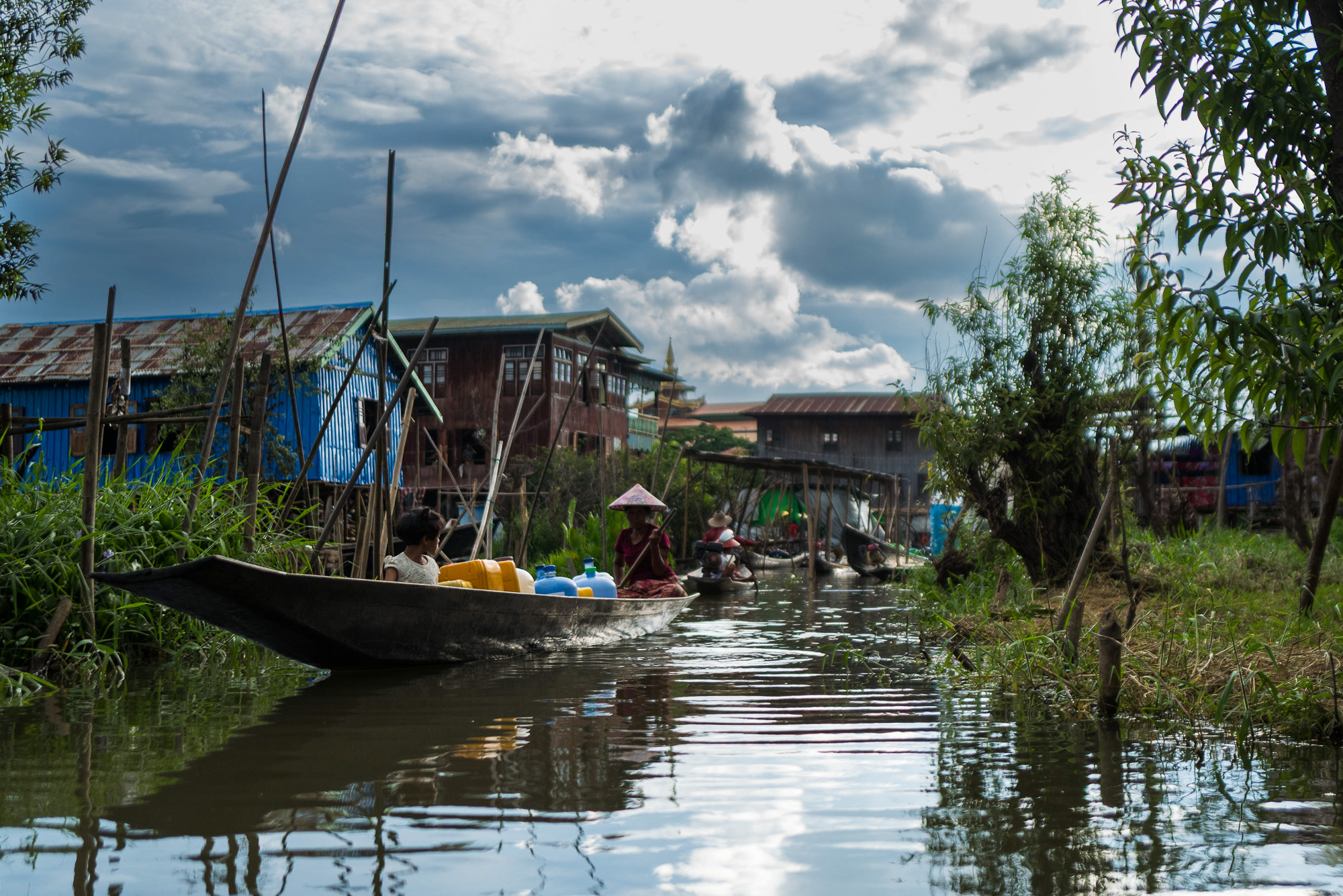
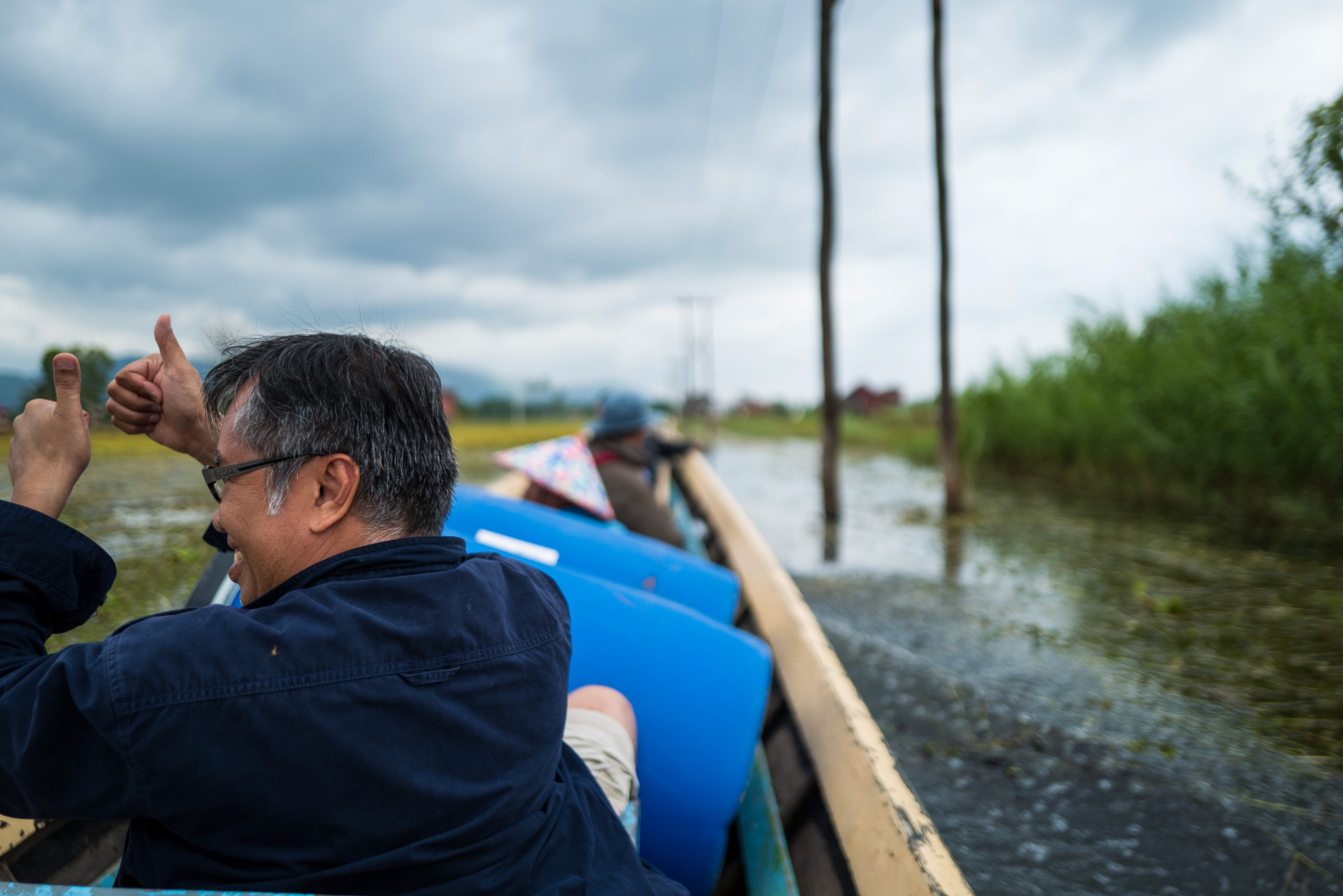
When you arrive at Inle Lake during the rainy season, the landscape does not immediately reveal the scale of the flooding. From the boat, the water appears calm and expansive, reflecting low clouds and the dark silhouettes of stilt houses that rise directly from the lake. Narrow wooden boats glide quietly through the channels between homes, carrying people, supplies, and sometimes entire construction components, while fishermen balance with remarkable precision on slender hulls that seem far too narrow to support a standing person.
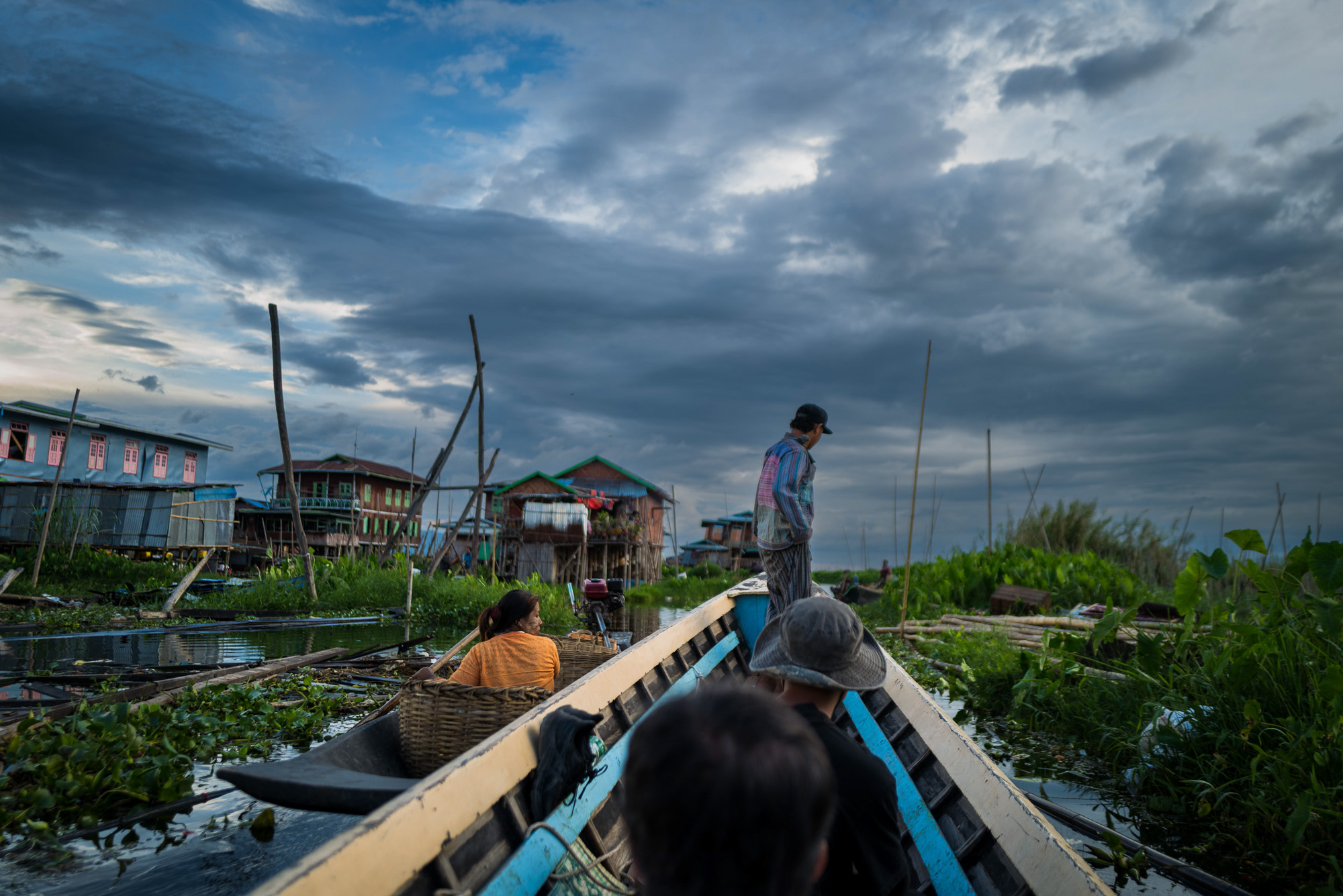
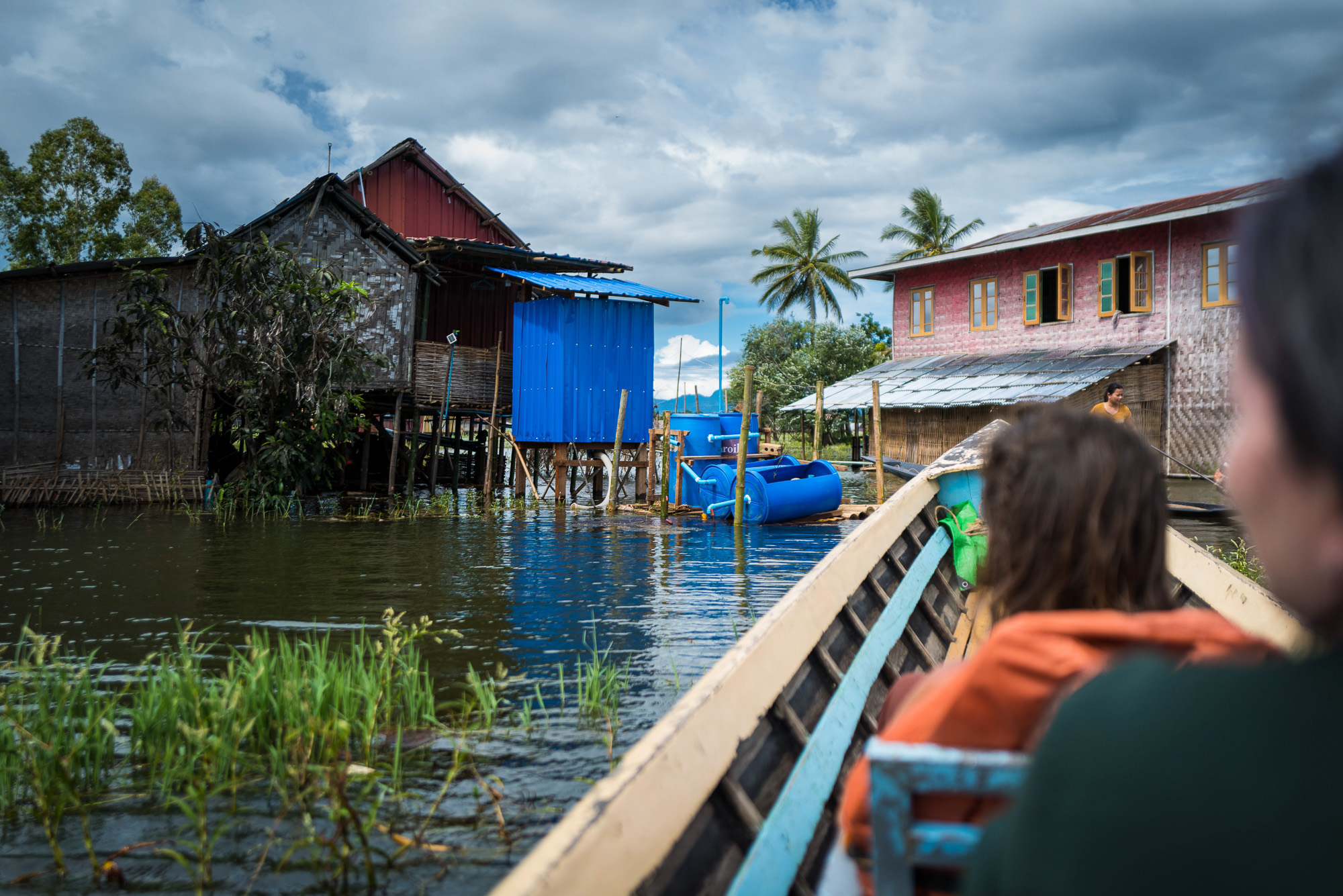
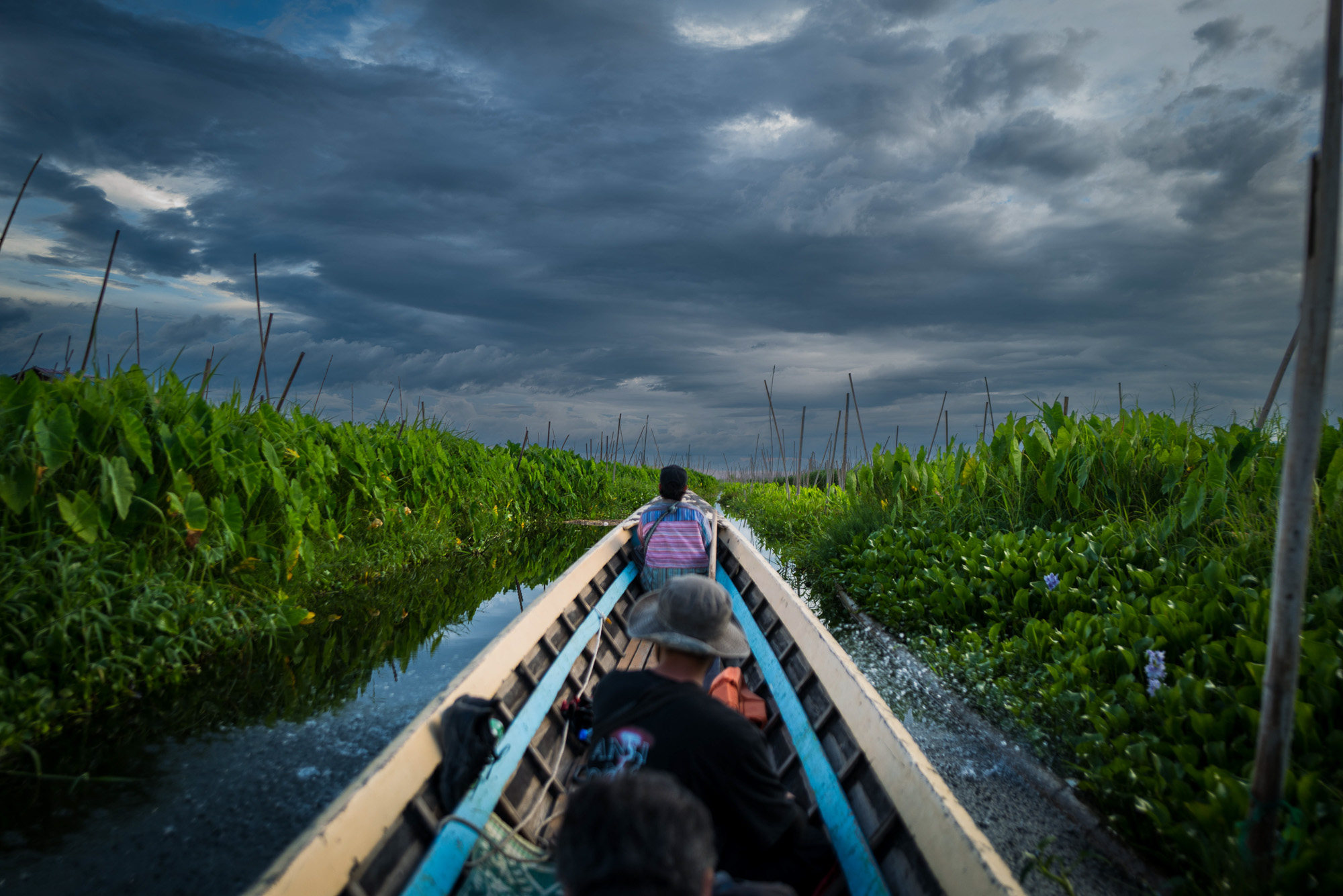
Life on the lake moves with a rhythm that feels both fragile and perfectly adapted to its environment. Houses stand on long timber stilts driven deep into the lakebed, while others float slightly above the waterline, shifting almost imperceptibly with wind and current. Children move between homes by canoe, goods are transported by boat, and small floating gardens form green corridors between settlements that appear to drift across the surface of the lake.
Only gradually does it become clear that the water level is higher than usual.
Paths that normally connect houses to the shore have disappeared beneath the surface, and areas that are typically shallow marshland have turned into open water, forcing communities to adjust the routes they use to move through the area and to rethink how basic infrastructure functions in an environment that has temporarily expanded beyond its usual boundaries.
This was the situation when we began our work around Inle Lake.
Returning to Myanmar in July 2025 meant entering a country that continues to function while living with constant political uncertainty. Yangon still feels busy and active, flights continue to arrive, and daily routines give the impression of stability, yet conversations with colleagues quickly reveal the deeper context of civil conflict, economic strain, and a society that has learned to operate under unpredictable conditions.
By the time our team reached Shan State and began assessing communities around the lake, the seasonal floods had already begun to reshape the operational landscape.
Access routes that would normally allow trucks to deliver materials had become partially submerged, which meant that most equipment and construction components now had to be transported by boat, often through narrow channels between floating vegetation and houses standing on stilts above the water.
Under these conditions, sanitation infrastructure becomes one of the first systems to fail.
Conventional pit latrines depend on relatively stable soil and predictable groundwater levels, yet around Inle Lake the rising water had begun to saturate the ground in many areas and, in some locations, had effectively merged surface water and groundwater into a single unstable environment. Designing sanitation systems therefore required a different approach, one that acknowledged the fundamental reality of the lake: in many places, the ground simply cannot be treated as a fixed foundation.
One of the most striking aspects of working here, however, was not the technical challenge itself but the extraordinary craftsmanship of the communities living on the lake. Small wooden boats, some barely wider than a doorway, function as stable working platforms on which people stand upright while transporting timber beams, bamboo poles, blue plastic barrels, and entire sanitation components across the water. Watching local carpenters shift their balance instinctively while assembling structures on moving platforms quickly changes your understanding of what stability actually means in a floating environment.
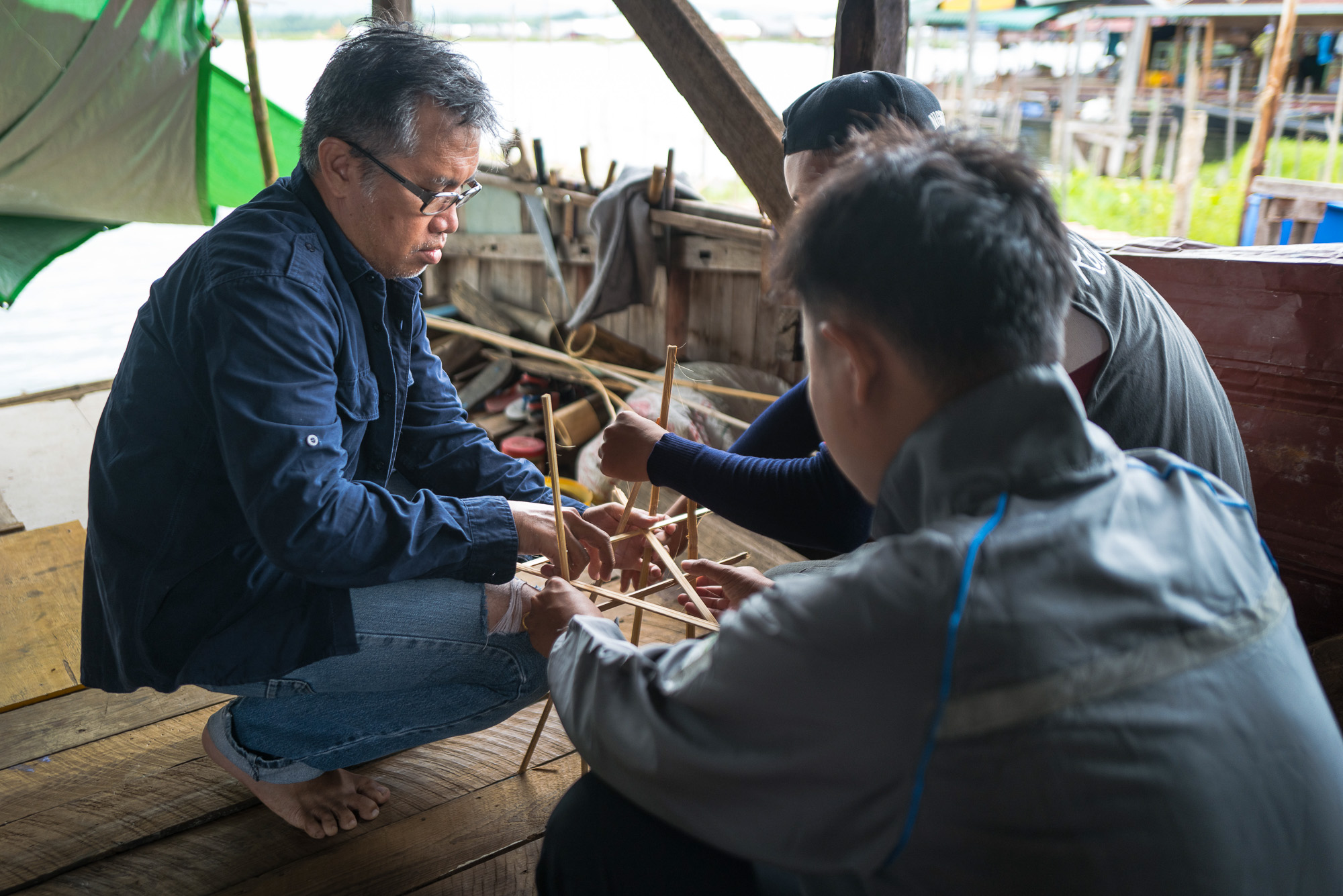
Rather than imposing rigid external designs, we deliberately aligned our sanitation systems with these existing construction practices. The floating toilet units and bio-septic tanks were therefore designed around materials that are already widely available in local markets and familiar to local builders. Timber and bamboo formed the structural framework, while reused plastic water bottles and small one-liter cooking oil containers were repurposed to provide additional buoyancy. At certain structural points, bricks were introduced to stabilize anchor positions or manage weight distribution where greater control over load was required.
The objective was not technological novelty but practical resilience.
Every design decision had to satisfy three simple criteria: the system needed to function during fluctuating water levels, it had to be maintainable using locally available materials, and it had to be understandable to the builders and technicians who would eventually maintain it without external support.
At the same time, the broader political context remained present in the background of our work. Myanmar’s civil war does not always manifest itself in visible confrontation in these communities, yet it shapes the margins of everyday life in subtle but powerful ways. Colleagues speak about contingency plans for their families, organizations operate with the awareness that administrative space can change quickly, and long-term planning is often replaced by a more adaptive approach that focuses on what can realistically be achieved under uncertain conditions.
Flooding adds another layer of pressure to this already fragile environment. Rising water increases exposure to damp living conditions, complicates access to safe sanitation, and gradually raises the risk of waterborne diseases, particularly in densely built communities where houses, walkways, and sanitation systems exist in very close proximity.
In this setting, infrastructure design becomes less about building permanent structures and more about developing systems that can adapt to movement, uncertainty, and change.