

Malawi - Health Data, Rural Healthcare, and a Remarkable Team
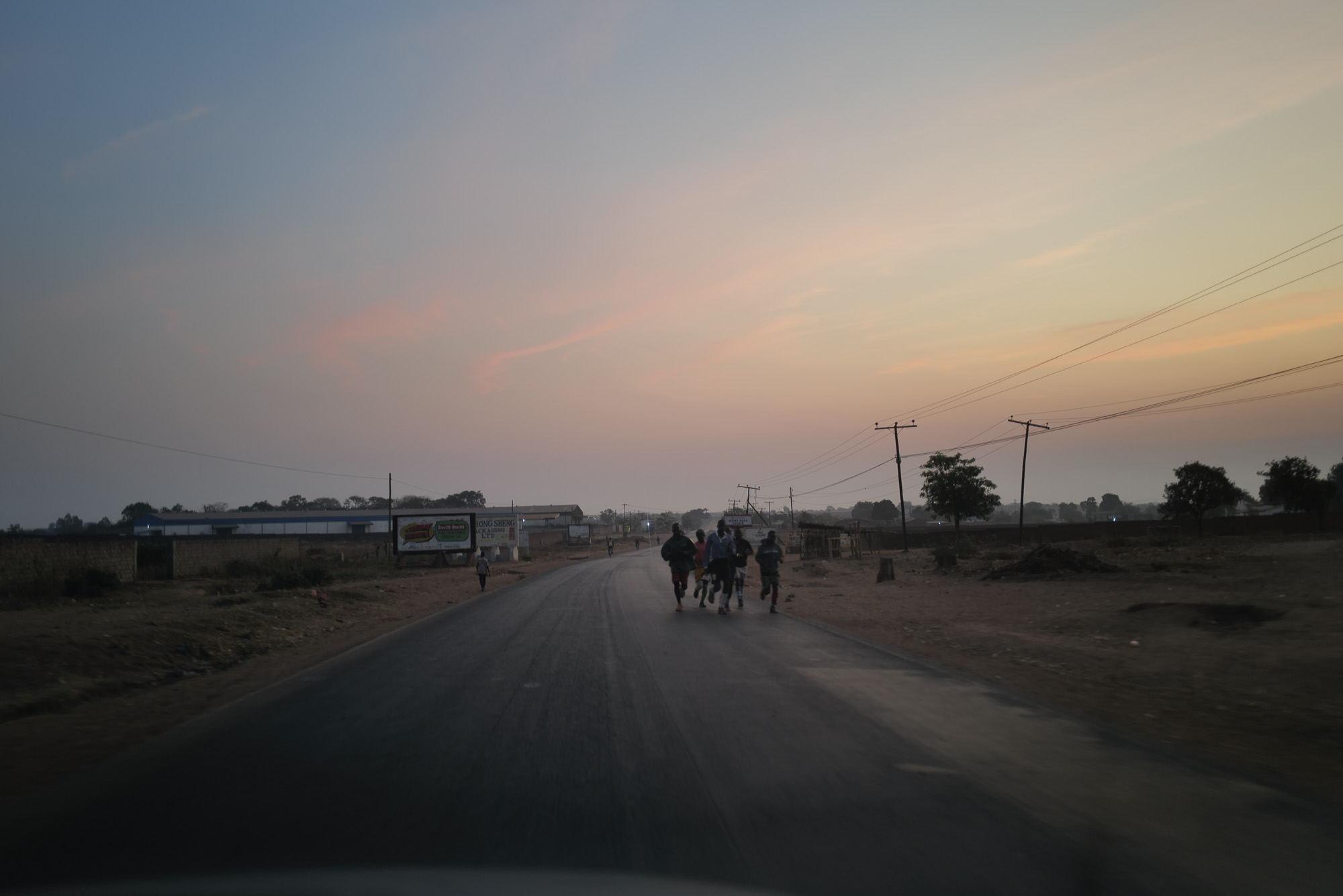
Malawi is not among the African countries that immediately come to mind when people think about the continent. It rarely appears in international headlines, and many people would struggle to place it on a map. Yet this small landlocked country in southeastern Africa offers a striking mix of beauty, cultural richness, and structural challenges that define daily life for millions of people. Traveling through Malawi quickly reveals why it is often called the “Warm Heart of Africa.” The country is known for its welcoming people, vibrant local culture, and extraordinary landscapes, ranging from the vast waters of Lake Malawi to the dramatic slopes of Mount Mulanje and a series of national parks that remain relatively untouched by mass tourism. Compared to more widely visited destinations such as Tanzania or Kenya, Malawi feels quieter and less commercialized, which gives the country a very different atmosphere.
Rural Life and Environmental Pressures
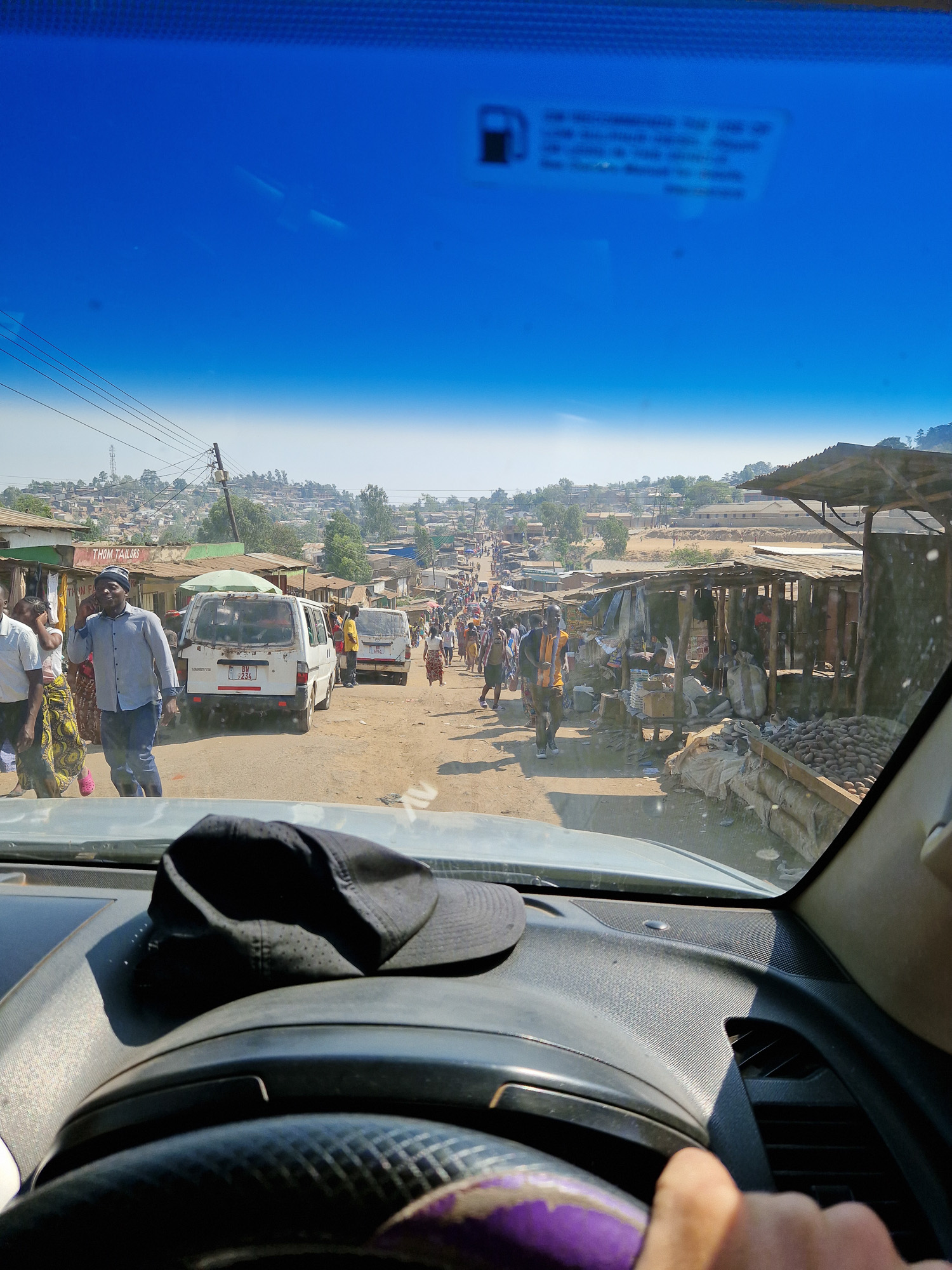
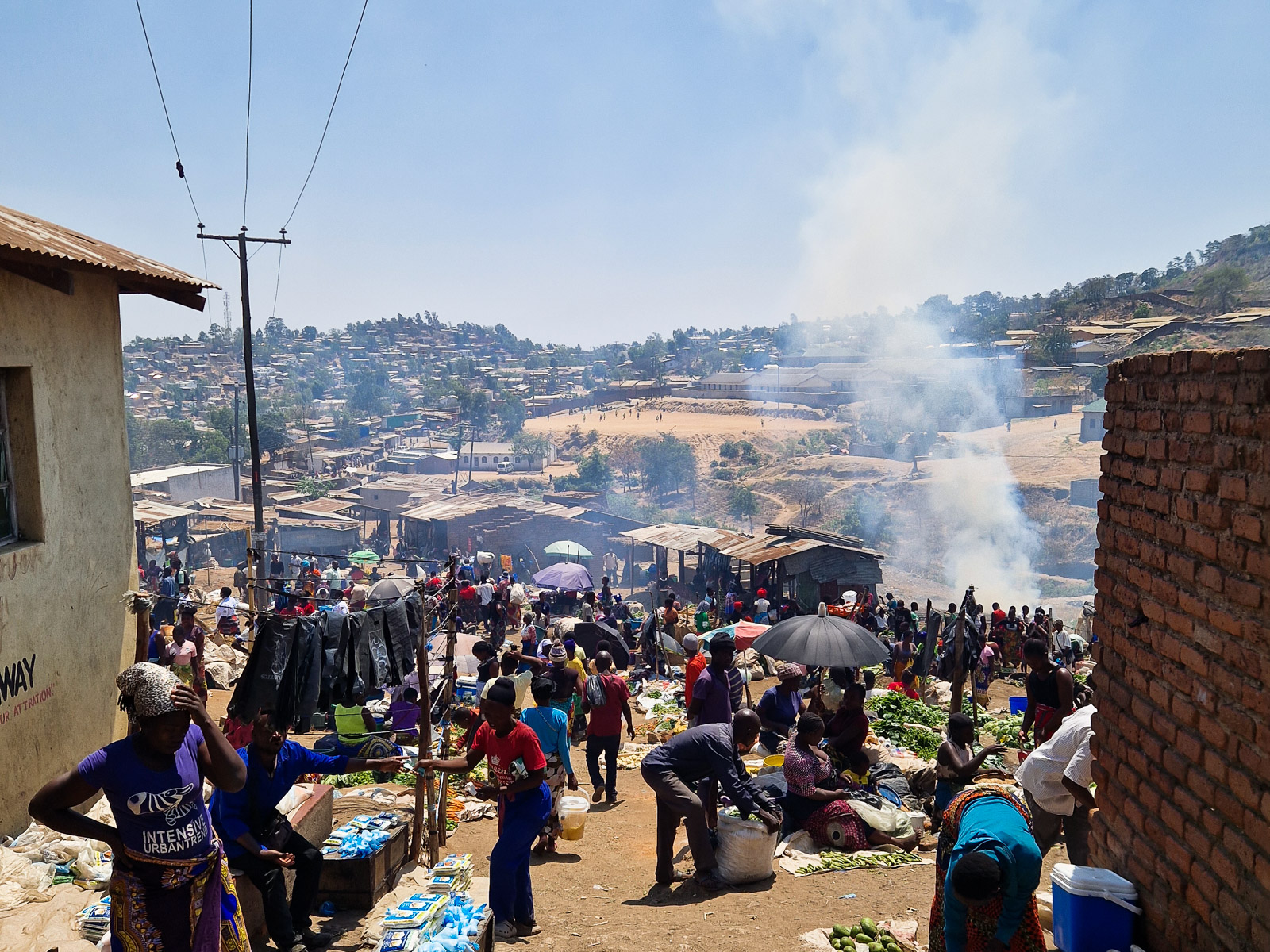
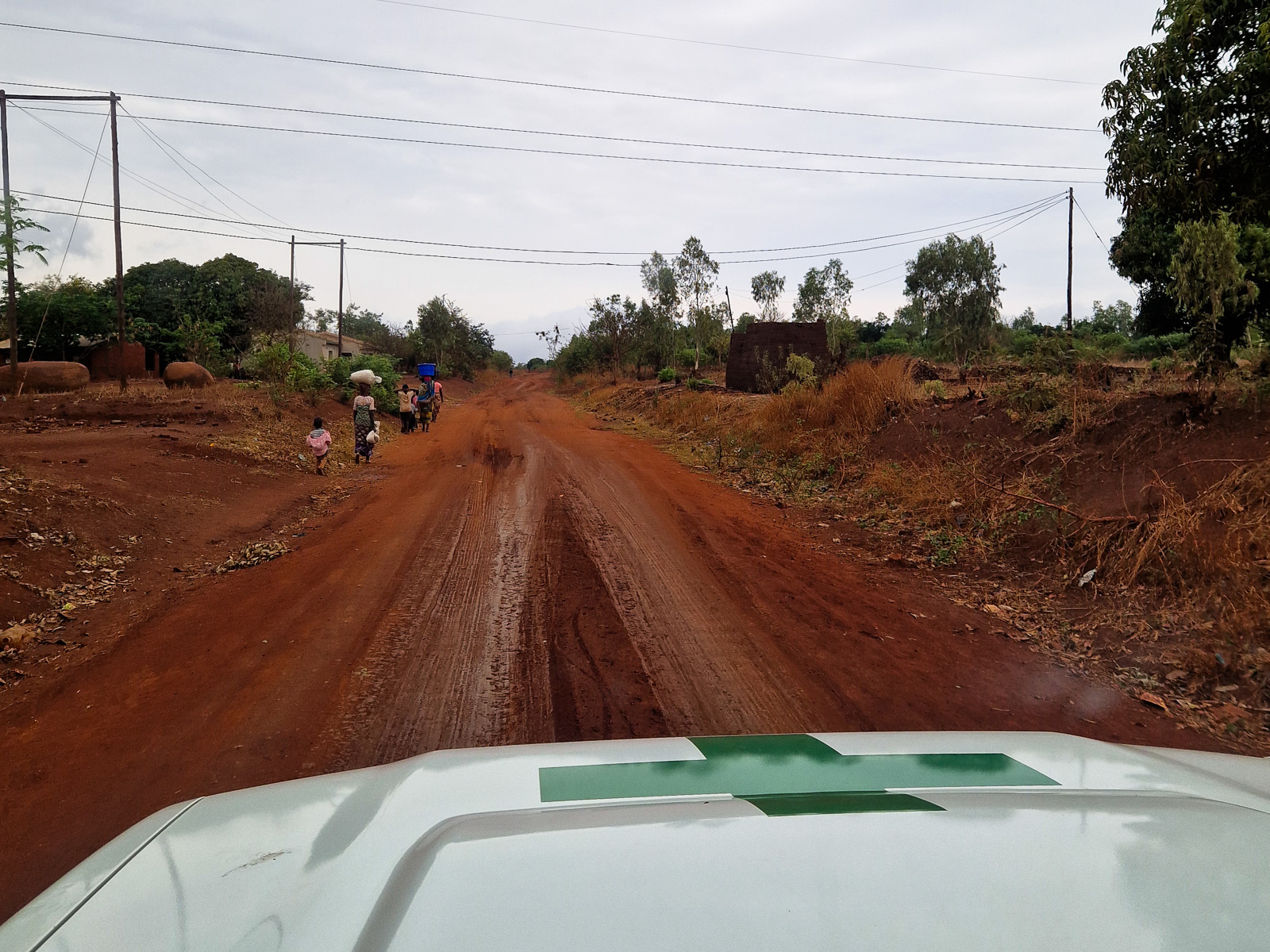
At the same time, Malawi remains one of the least developed countries in the world, and this reality becomes especially visible in rural areas, where the majority of the population lives.
Much of rural life revolves around small-scale subsistence farming, with families cultivating small plots of land primarily to feed themselves rather than to produce for larger markets. Agriculture is largely dependent on rainfall, which means that seasonal patterns strongly influence food security. When rainfall is insufficient, drought can quickly threaten harvests; when the rains are particularly heavy, floods can destroy crops and infrastructure, especially in the southern parts of the country where seasonal flooding occurs almost every year.
Food Insecurity and Health Challenges
These environmental pressures contribute to a recurring cycle of food insecurity, which in turn has serious implications for public health.
Malnutrition and undernutrition remain widespread challenges, particularly among children, who are often the most vulnerable to fluctuations in food availability and household income. Addressing these health challenges requires not only medical treatment but also reliable systems that allow health workers to identify, monitor, and follow up on cases effectively.
Digital Health Intervention
This was the context in which my work in Malawi took place.
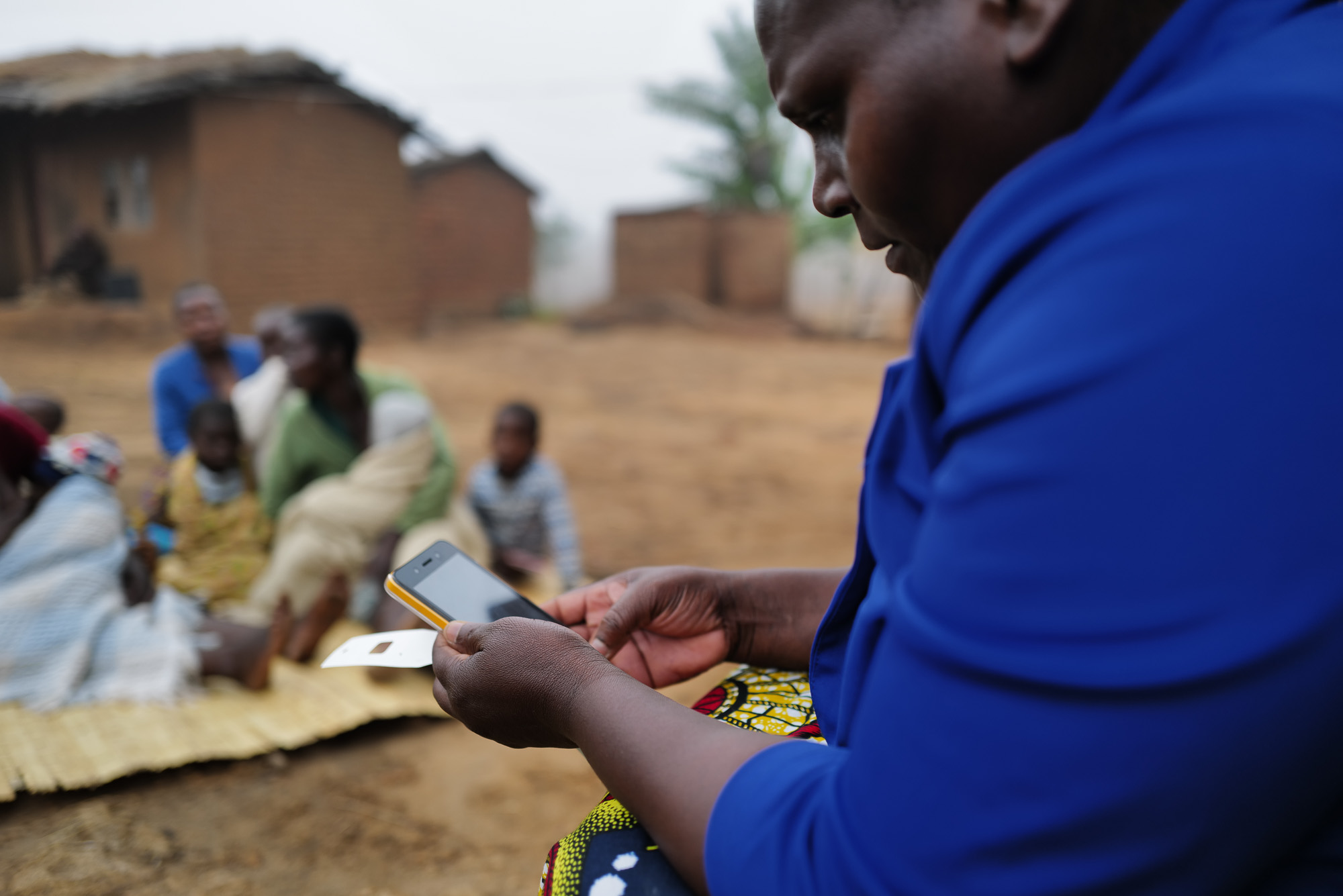
The project I supported focused on the introduction of a digital application designed to improve the monitoring and management of cases involving undernourished or malnourished children. In many parts of Malawi’s healthcare system, data collection and case documentation still rely heavily on paper-based systems. Health workers record patient information manually, and referrals to treatment facilities are often written down and passed along through a chain of clinics and hospitals.
While this system functions in principle, it creates a significant challenge when it comes to follow-up.
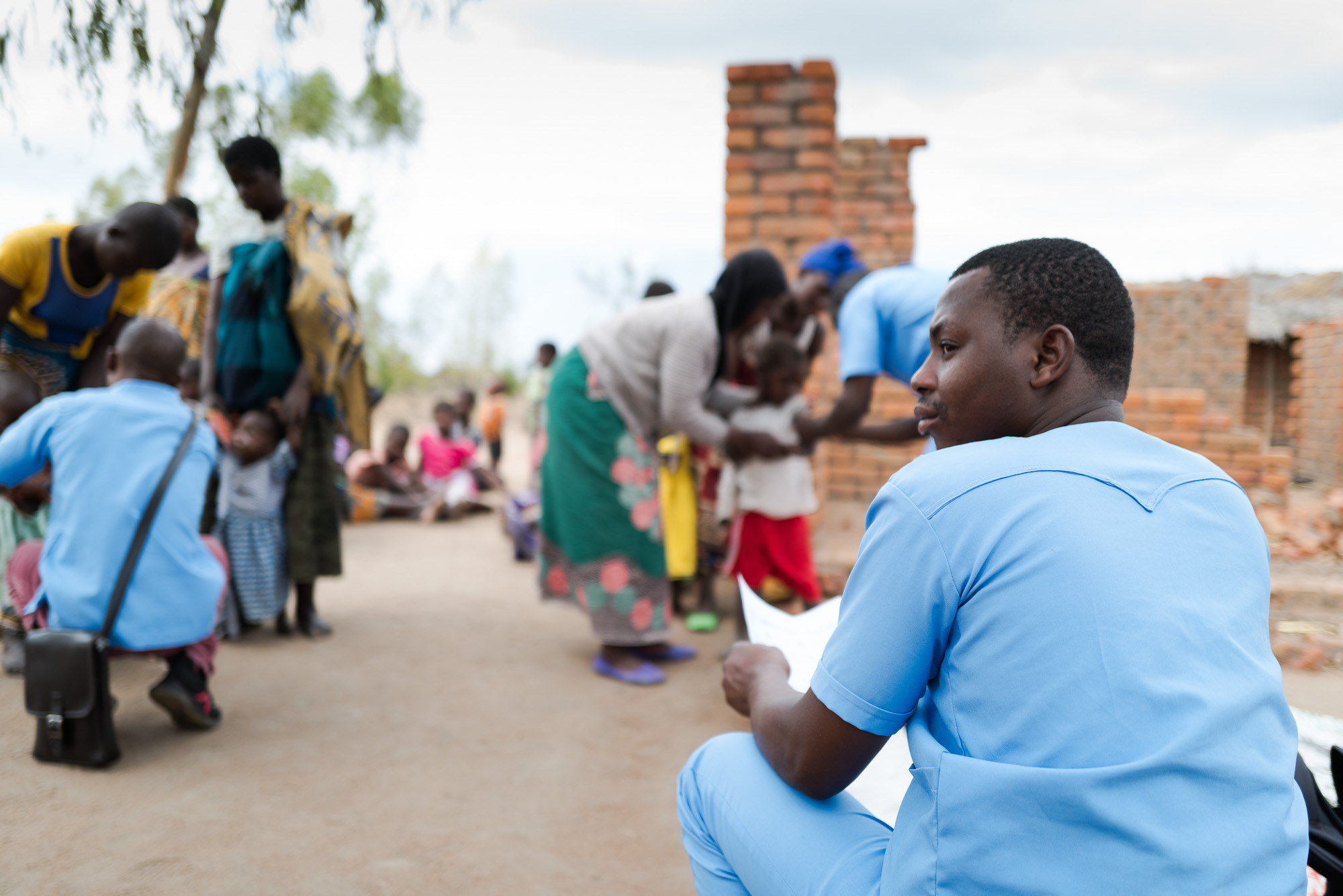
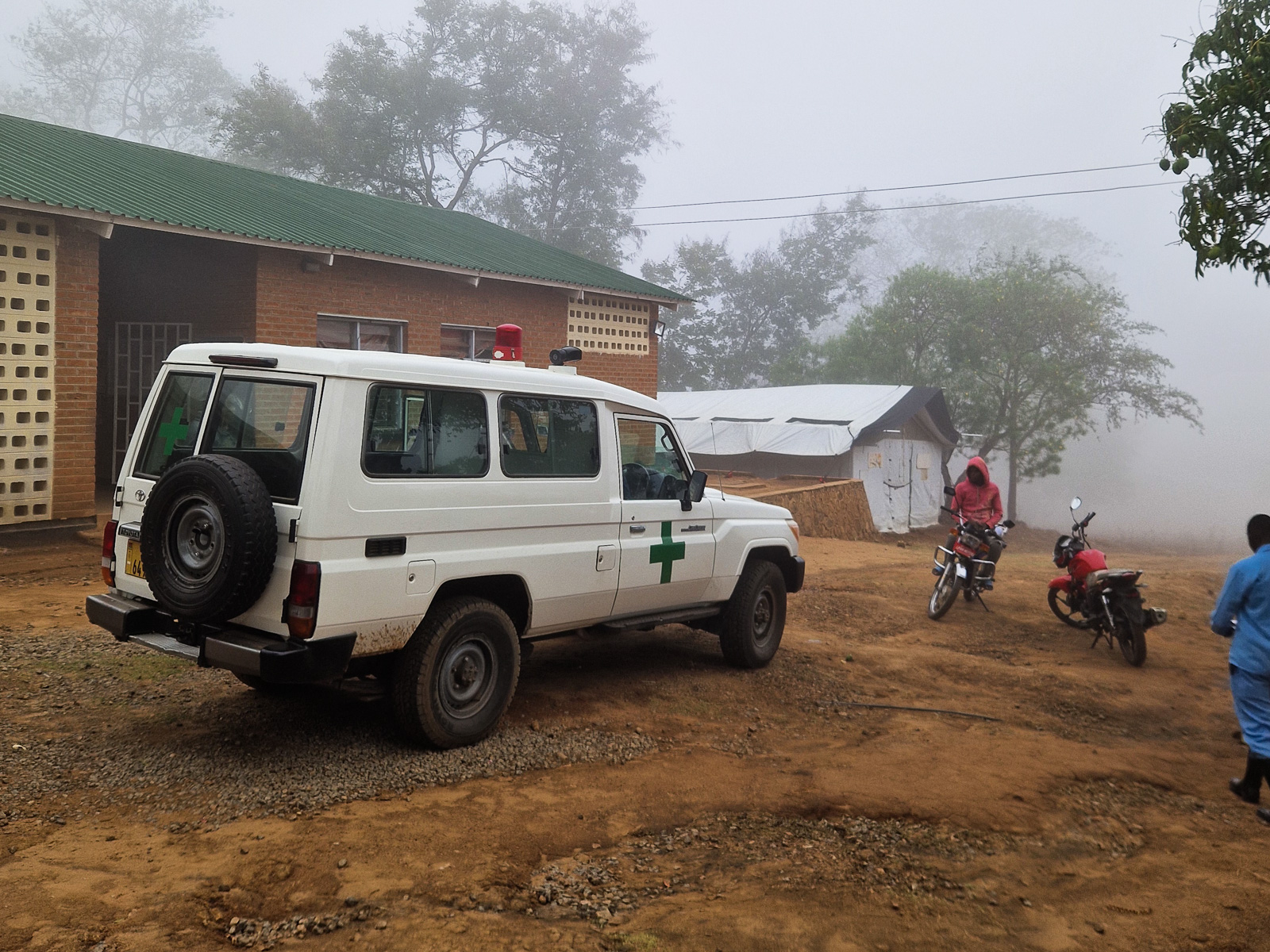
When a health worker in a rural community identifies a child with signs of malnutrition, that child is typically referred to another health facility for treatment. However, the original health worker often has very limited visibility into what happens next. Did the child reach the clinic? Was treatment started? Did the family return for follow-up visits?
In many cases, the answers remain unclear, which means that some cases can effectively disappear within the system.
The application we introduced was designed specifically for contexts like Malawi, where connectivity, infrastructure, and technical resources can be limited. The software was built to function on basic smartphones and tablets without requiring high processing power or constant internet access. Data can be collected offline and later synchronized once a connection becomes available, while devices can also exchange information locally through alternative interfaces when network coverage is weak.
The idea was not simply to digitize existing forms, but to create a tool that helps health workers maintain oversight over cases, ensuring that referrals and treatments can be tracked more reliably across different facilities.
Challenges of Implementation
Implementing such a system, however, involves far more than installing an application.
Training health workers to use technology is essential, particularly when introducing new tools in environments where digital systems are still relatively new. Data protection and privacy considerations must also be addressed carefully, and coordination with government authorities is necessary to ensure that new digital tools are aligned with national health systems and policies.
The Strength of the Local Team
What stood out to me most during this project, however, was the local team I had the privilege to work with.
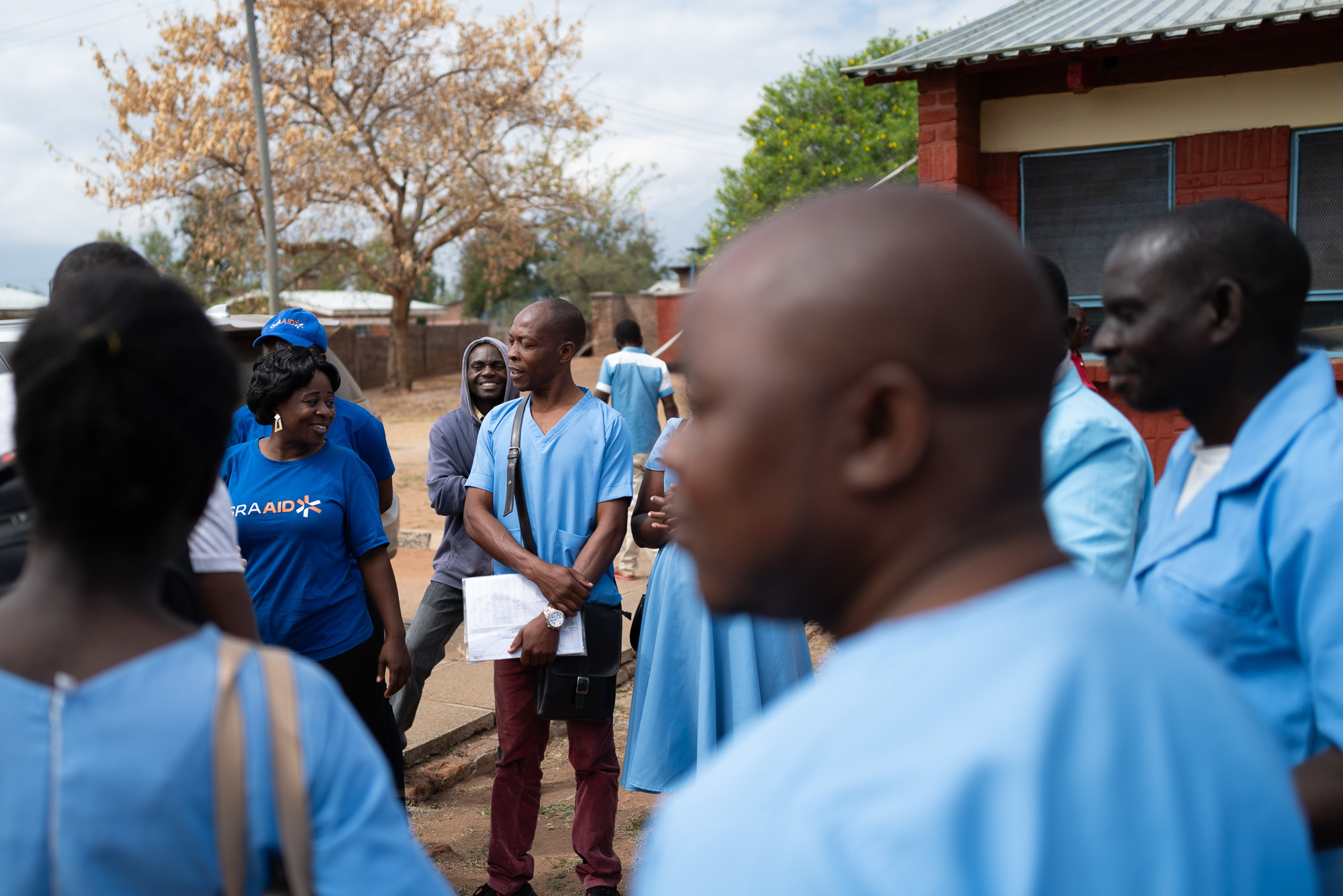
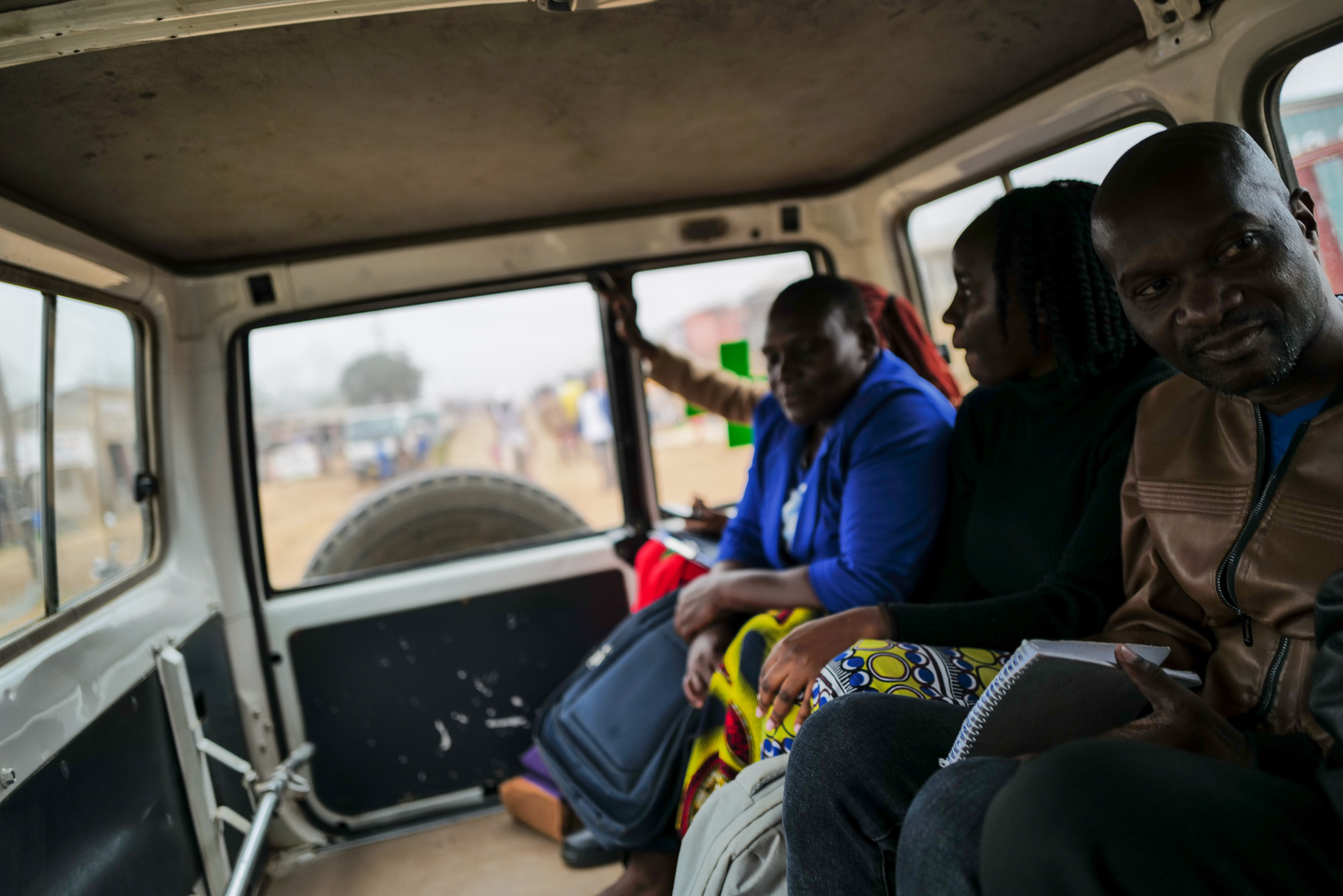
The team consisted of around fifteen colleagues from different professional backgrounds, and their level of motivation, curiosity, and commitment to improving Malawi’s healthcare system was genuinely impressive. There was a strong will to experiment with new approaches, explore technical tools, and learn skills that could help strengthen the organization’s long-term impact.
At the time of my visit, the organization was also developing a new four-year strategy, and one of the most remarkable aspects of this process was how inclusive it was. Rather than limiting strategic discussions to senior management, the organization invited contributions from the entire team. Drivers, field officers, program managers, and leadership staff all participated in discussions about challenges faced in communities, priorities for future work, and ideas for improving the organization’s effectiveness.
Despite involving such a wide range of voices, the process remained structured and efficient, demonstrating a strong culture of collaboration and mutual respect.
Working with such a team made it clear that the potential for innovation and progress in Malawi is not limited by talent or commitment.
Structural Constraints
What often constrains progress instead are structural limitations.
Financial resources available for large-scale development projects remain limited, and everyday operational challenges can significantly affect program implementation. Fuel shortages, for example, periodically disrupt transport and logistics because the country depends heavily on imported fuel. These kinds of practical constraints can slow down even well-planned initiatives.
Conclusion
Nevertheless, the dedication of local professionals working to improve healthcare, education, and community resilience remains one of the most encouraging aspects of working in Malawi.
My time there was a reminder that meaningful development work often depends not only on funding or technology, but on the strength of the teams and communities that are willing to invest their energy in building a better future for their country.