

Colombia - Sanitation, Self-Settled Camps, and the Aid Nobody Thinks to Send
Pereira sits at about fourteen hundred meters, on a ridge in Colombia's coffee belt, where the Andes run in three parallel ranges and the air stays at a temperature that locals describe, with some justification, as eternal spring. Below the city the slopes fall away into valleys planted with coffee and plantain, and the wax palms, which grow taller than any other palm on earth, stand along the ridgelines like badly spaced lamp posts. Two hours west, over the last range, the land drops into Chocó, which is among the wettest places on the planet. Some stations there record more than eight meters of rain a year. It is also one of the poorest departments in the country, and almost none of that water is captured, treated, or stored. Standing on a hillside in Chocó in the rain, you are looking at an engineering problem that has nothing to do with scarcity.
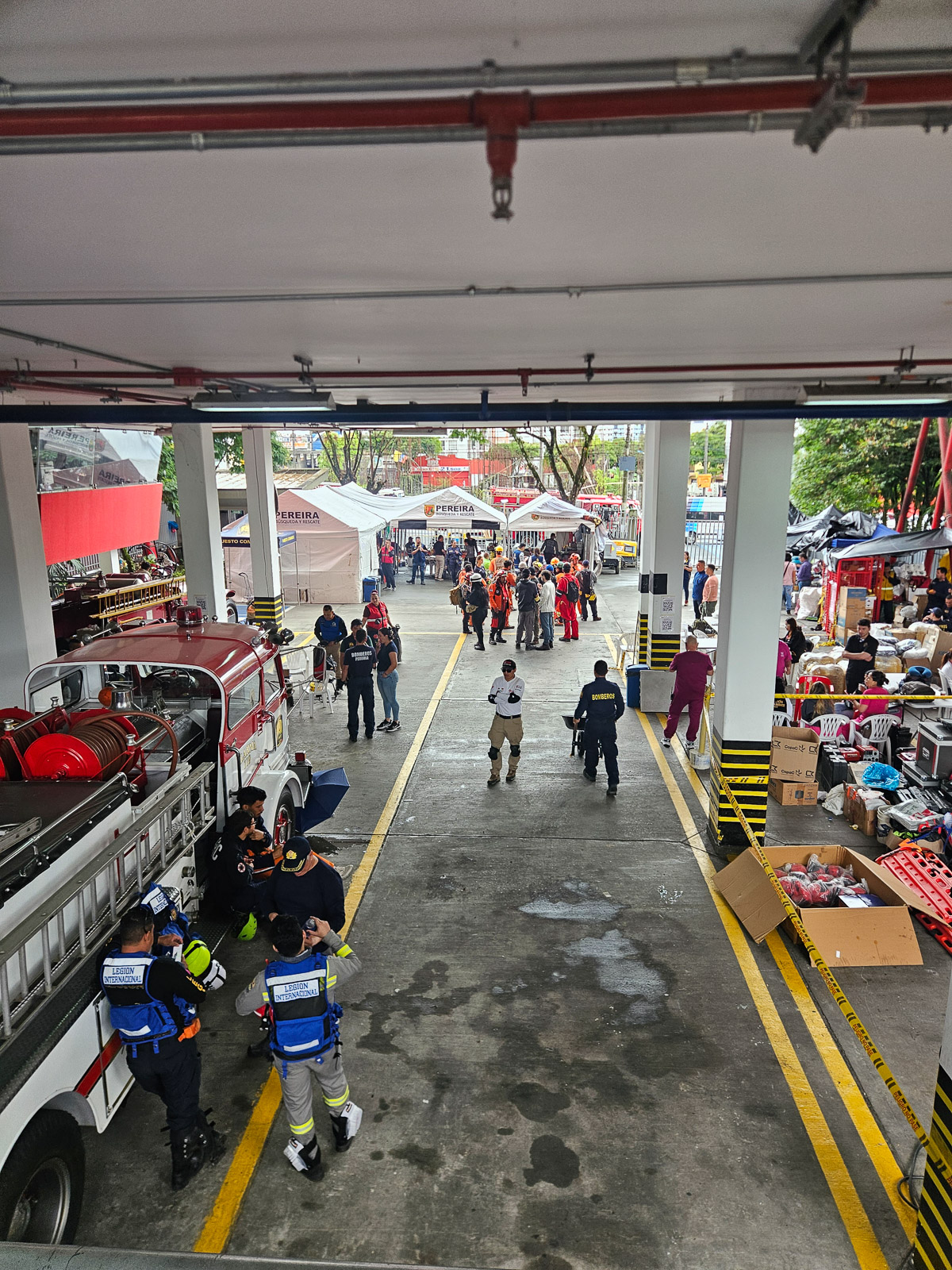
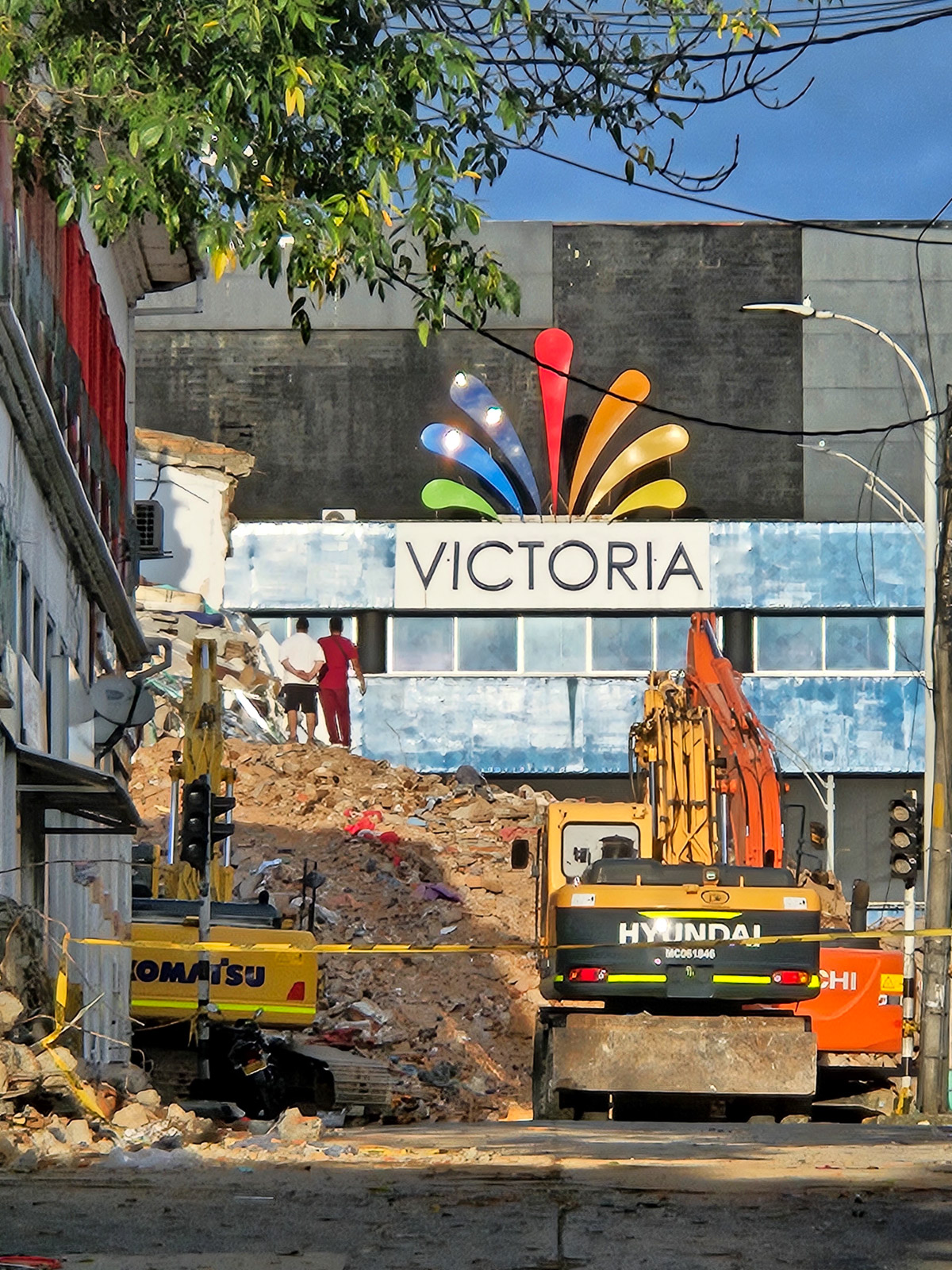
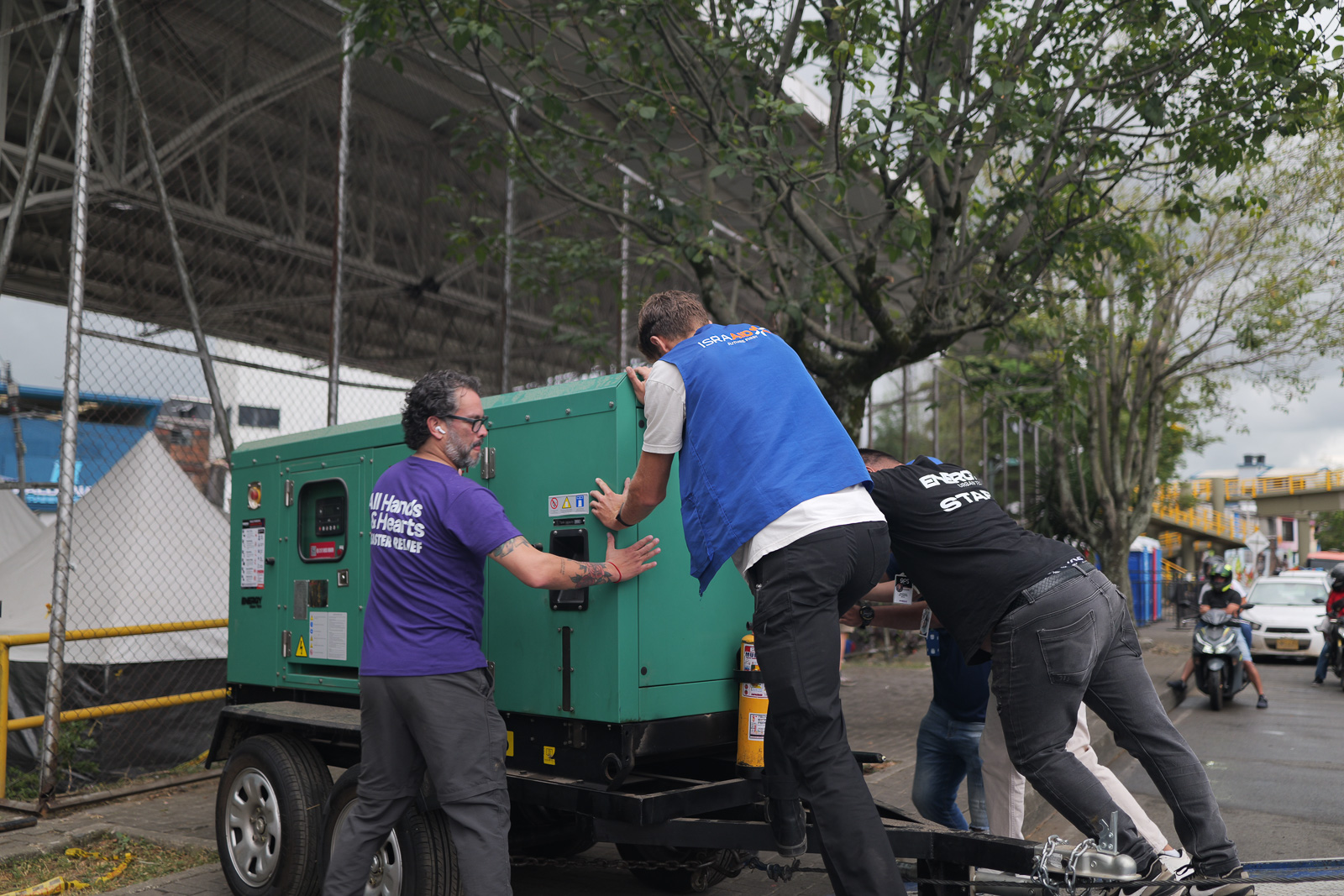
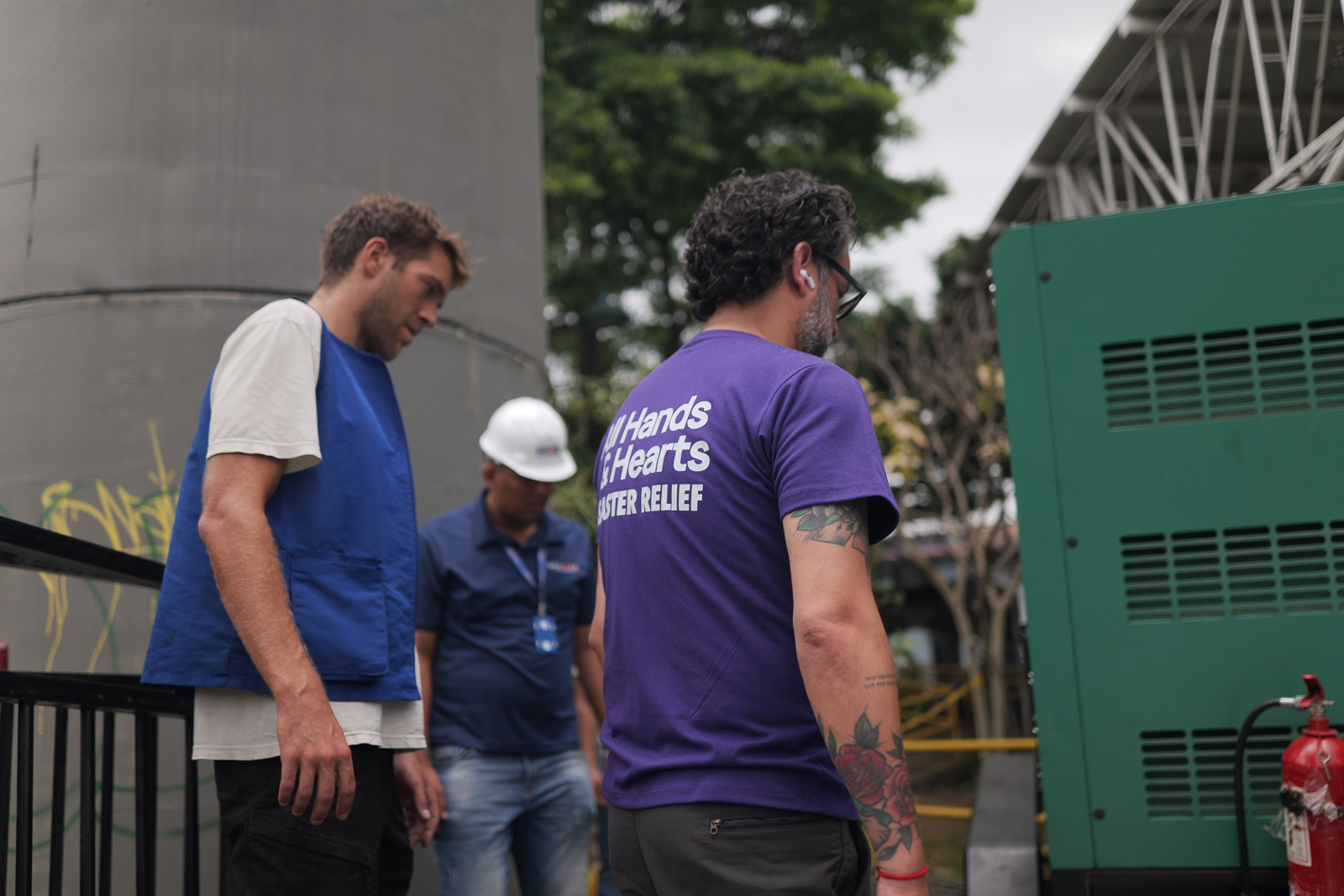
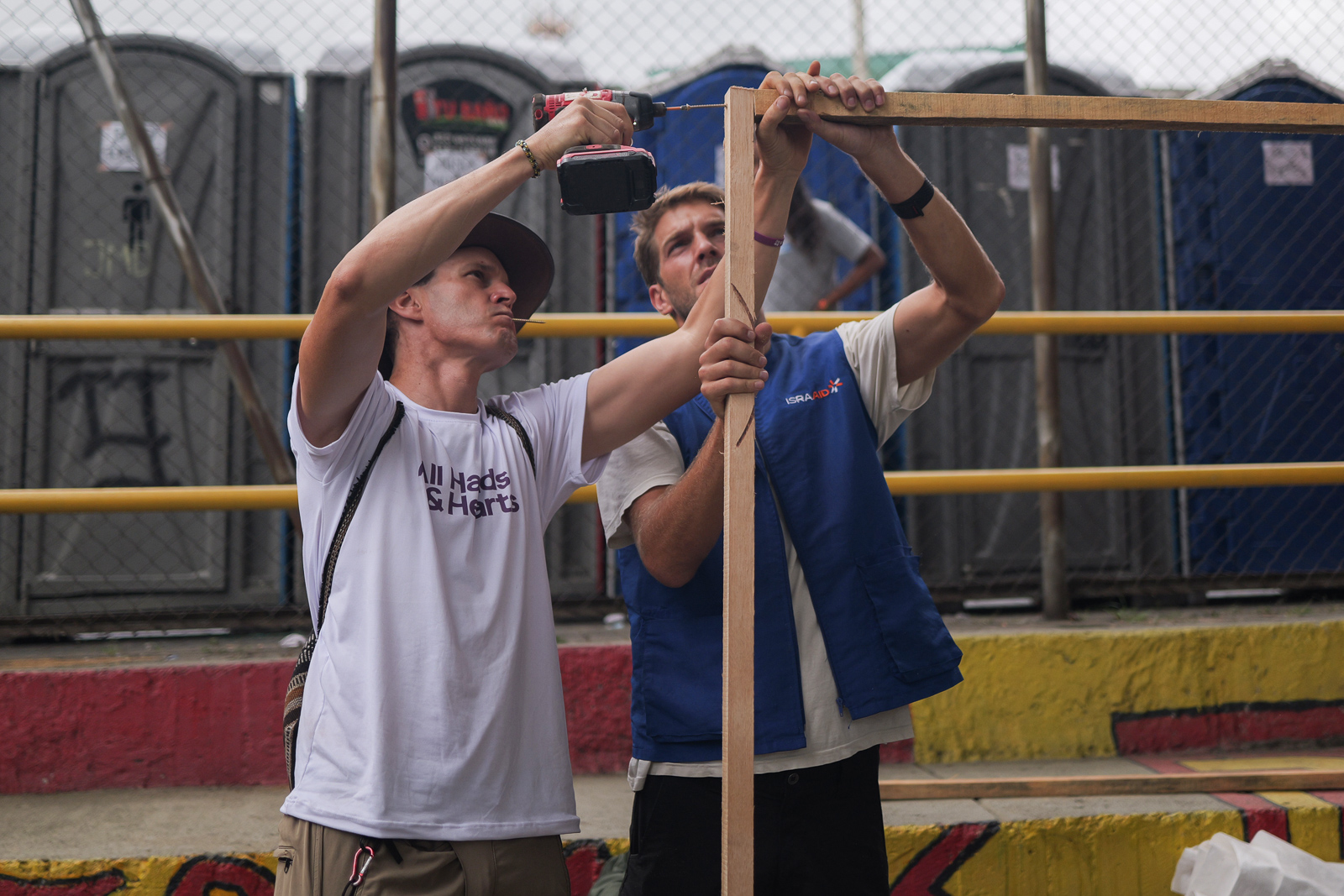
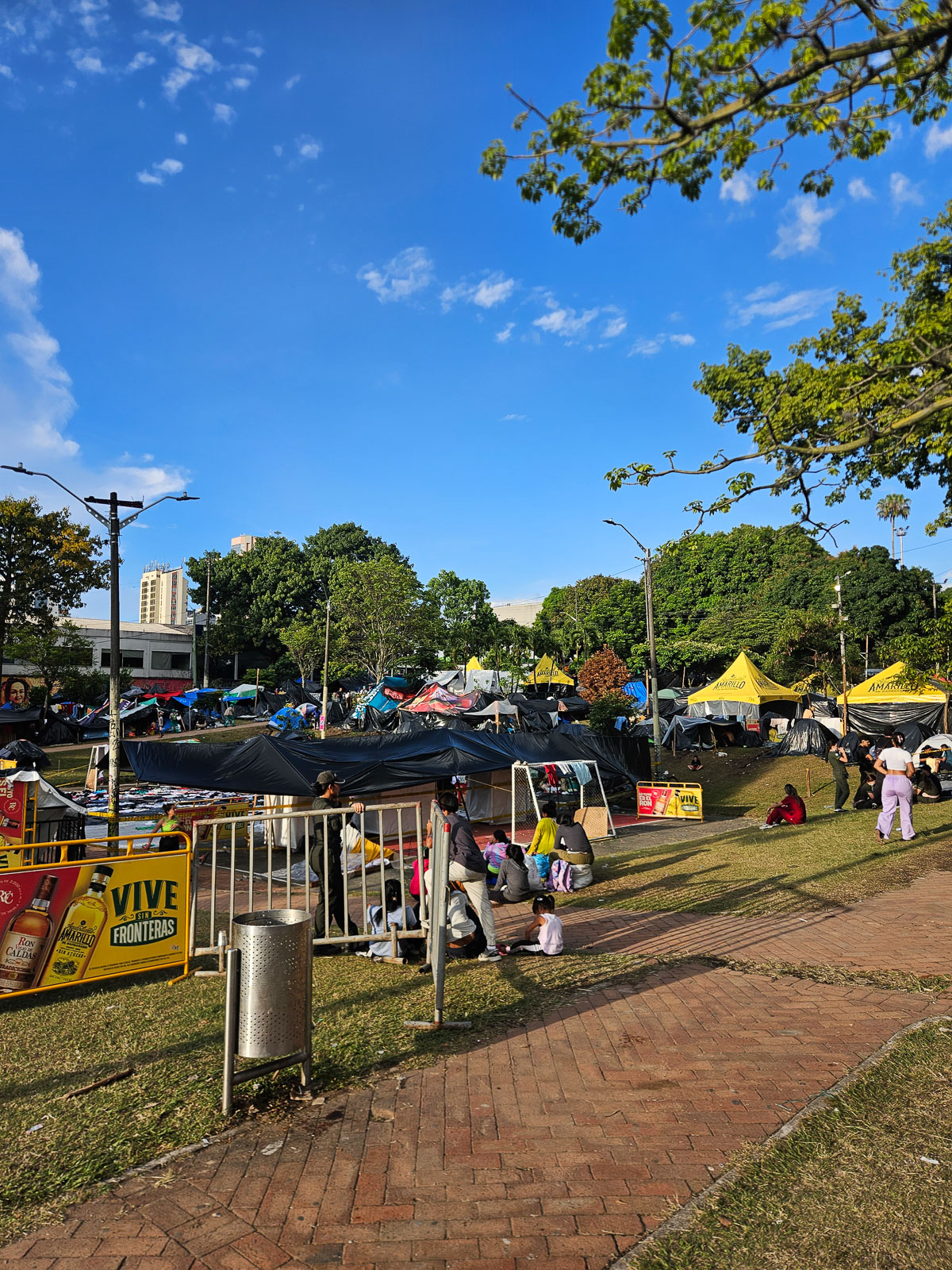
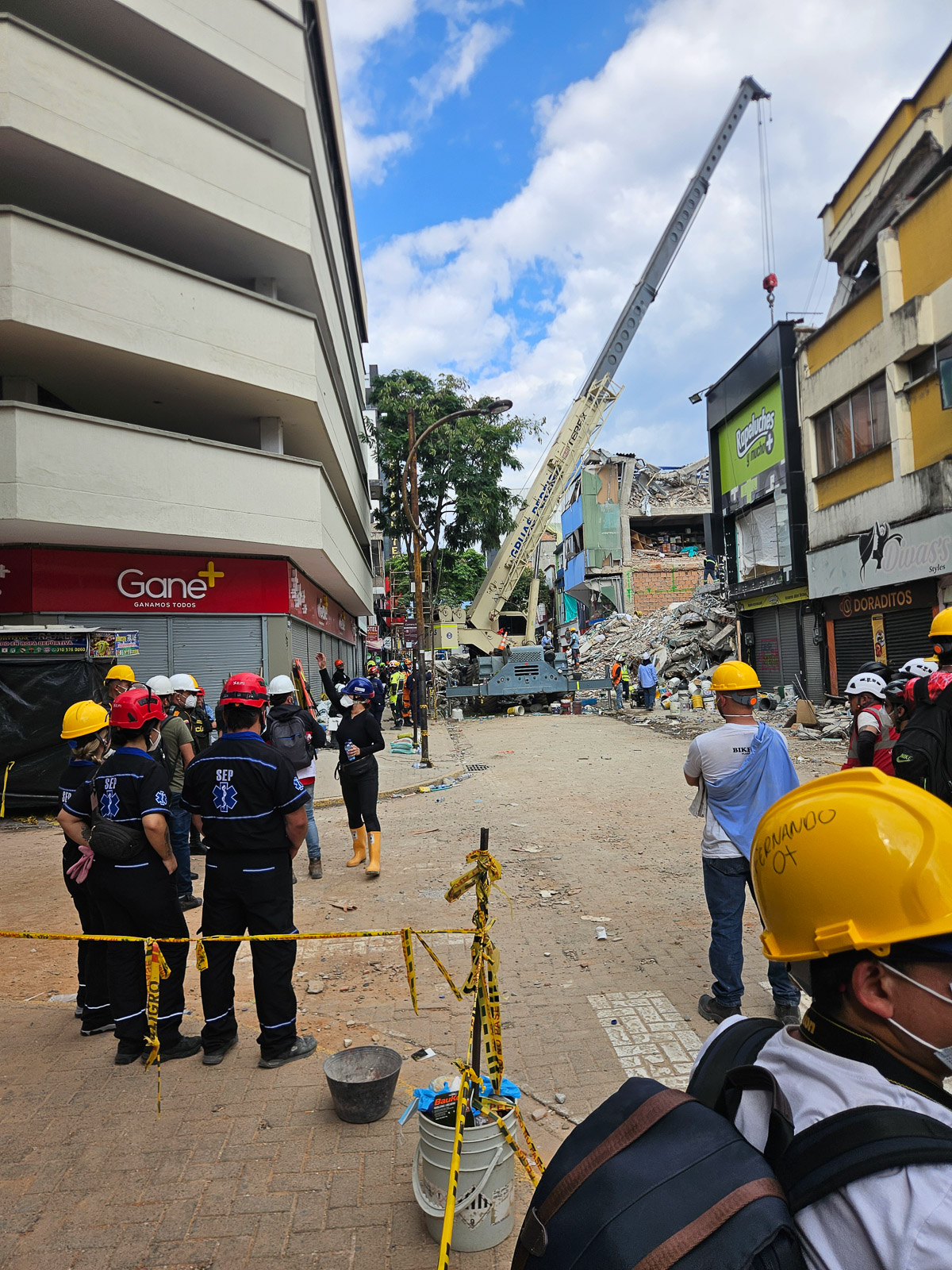
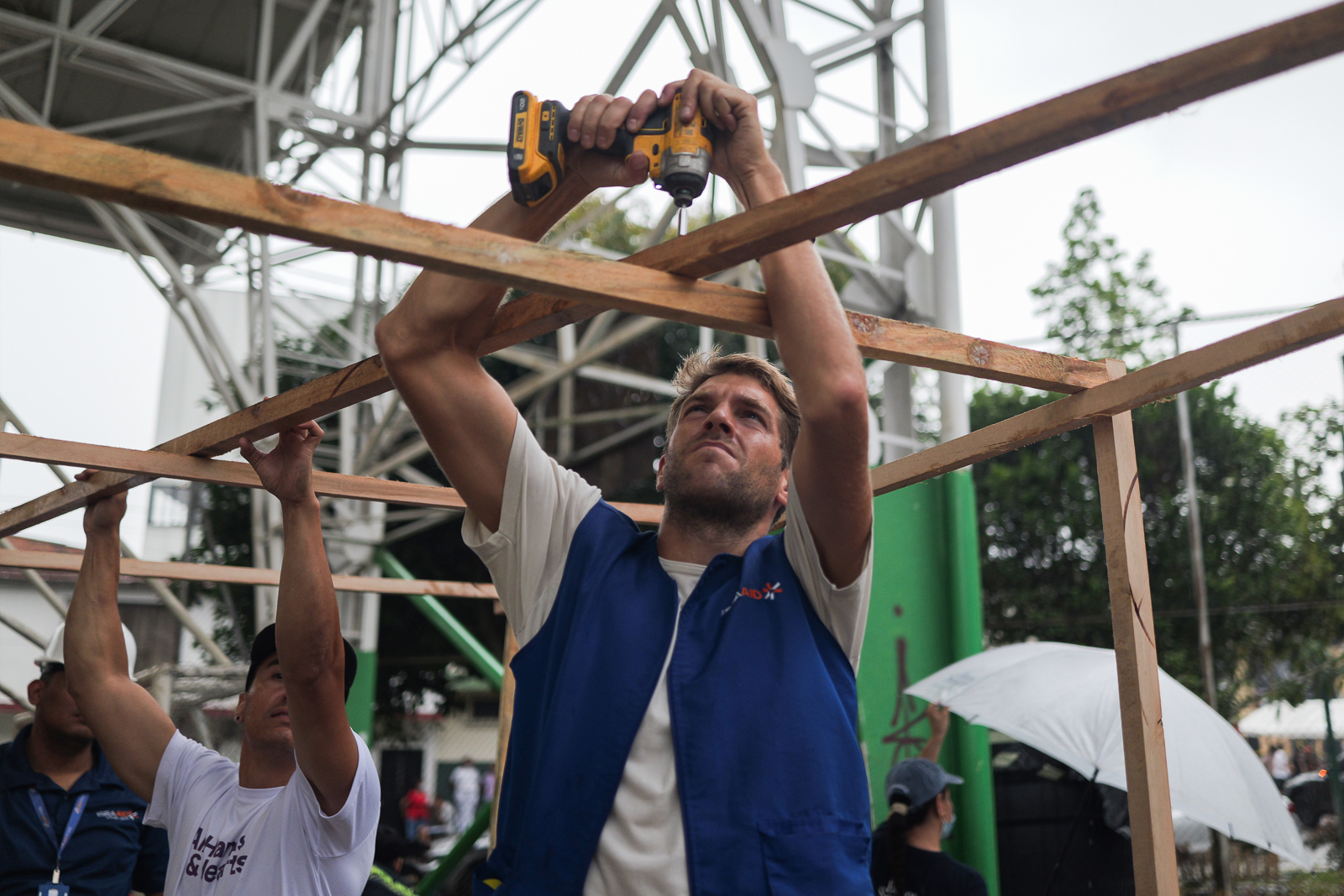
On August 10, at 7:34 in the morning, a magnitude 7.4 earthquake struck with its epicenter near a small municipality in that department.
What made it unusual was its depth. The rupture happened roughly a hundred kilometers down, far below the brittle crust where most destructive earthquakes originate. A deep quake sends its energy over a much wider area, but with the peak shaking spread thin. The result was damage reported across fifteen departments and more than four hundred and fifty municipalities, rather than one flattened city. Only weeks earlier I had worked on a response to an earthquake in neighboring Venezuela, where the damage was concentrated, and the comparison stayed with me throughout. A concentrated disaster is easier to see and far harder to coordinate. A dispersed one is the reverse. Here, the authorities could respond, because no single place had absorbed everything at once. Colombia also had a government that had been in office for three days when the ground moved, which gave the response an edge of institutional urgency that was impossible to miss.
Within days the city had opened emergency shelters, mostly in covered sports arenas, and had equipped them properly. When our team measured them, one site had twenty-one toilets for a hundred and six people, a ratio of roughly one to five. Humanitarian standards treat one to twenty as a target and one to fifty as the limit for an acute emergency. The staff there told us, politely, that they did not need anything.
What they did need was instructive. At the larger arena we asked what was missing and received a list: doctors, psychologists, a psychiatrist, something to stop the rain coming through the roof, mattress protectors, wooden pallets to get bedding off a wet floor, a radio, and care for the twenty-five dogs, seven cats and two parrots that had arrived with their families. Not one item on the list was water or sanitation.
That gap is the thing I keep coming back to from this deployment, and it is not specific to Colombia. After an event like this, public solidarity is immediate and enormous. Bottled water, food, medicines, mattresses, sanitary pads and diapers arrive in quantities that sometimes exceed what can be stored. Toilets, washbasins and showers do not. Partly this is because they are harder to buy and much harder to move, and partly because they are the one category of need that nobody pictures when they imagine a disaster. You can carry a case of water into a collection point. You cannot carry a latrine block. So the supply curve and the need curve separate, and they separate in exactly the place where disease outbreaks start.
The second thing that stayed with me was a problem we could not solve by engineering at all. Alongside the official shelters, an informal camp had grown in the city, and conditions there were as bad as the official sites were adequate. People had arrived, found space, and stayed, and the sanitation situation deteriorated quickly. The municipality moved early to establish a formal site nearby and to separate the two, and then took the position that organizations should not work in the informal one. The reasons given were that people were arriving who had not been affected by the earthquake but were in need for other reasons, that some relief items were being resold, and that armed groups had established a presence. We were in no position to verify any of it, and I suspect it was partly accurate and partly political.
This is the part of the work that does not resolve neatly. The principle that assistance goes where need is greatest is not negotiable in theory. In practice we work inside a national response that has its own legitimacy, that we are not elected to overrule, and that can revoke our ability to operate at all. In Colombia that national coordination was not a formality. It was functioning, and it was the reason the official shelters were as well supplied as they were. Walking past a camp where the need is visible, and being unable to act on it, is the least comfortable thing I have done in this job.
We took the institutional route instead, raising it through international partners and the United Nations coordination structures rather than arguing it out locally. After several days the position softened and access was granted. By then we had already shifted our focus elsewhere, which is its own lesson about the clock speed of advocacy against the clock speed of a six-week deployment.
Where we went was the Pacific coast around Buenaventura, west of Cali, and the rural municipalities behind it. The city is Colombia's largest port and one of its poorest places, and once you leave it the roads deteriorate and the security situation is governed by the presence of armed groups rather than by the state. Access, not funding, is the binding constraint there. Working in coordination with the United Nations and with another international partner, we deployed household water filters, which is a slower and less photogenic intervention than trucking water, and a far more durable one.
The choice of filters over water deliveries came from a piece of reasoning I would make the same way in any country. Chlorine kills bacteria and viruses and leaves a residual protection in the container, but it fails in turbid water and does not touch certain parasites. A membrane filter removes turbidity, parasites and bacteria, but lets viruses through and leaves no residual protection at all. They are not alternatives. Used in the right order, filter first, then chlorinate, then store in a closed container, they cover between them almost everything that makes water dangerous. Which of the two matters more depends entirely on whether the household is drawing from a tanker truck or from a stream behind the house, and that is a question you answer by going to look.
The communities themselves had already worked most of this out. Across the coffee region, rural water supply is not run by a utility but by the villages, through elected committees that own and maintain small gravity-fed systems: an intake on a stream, a sand trap, a few kilometers of pipe, a tank, a part-time plumber paid out of monthly contributions of a few thousand pesos. The earthquake cracked intakes, broke buried pipe where the soil moved, and split storage tanks. In the department where we were based, the national damage report recorded seventeen of these community systems damaged in the rural municipalities, and none at all in the city.
One of those committees, in a village half an hour from where we were staying, wrote a letter asking for help. It is not addressed to an aid agency. It is addressed to the national association of other community water committees, and it asks for pipe, fittings, and materials to repair intakes, because they had used up every bit of stock they had and the hardware shops they normally buy from were damaged themselves. "Today it is us who need a helping hand," it says. "Tomorrow it could be another community aqueduct in this country that needs our solidarity." At the bottom, under the signature, is the committee's motto: Tu agua, mi agua, nuestra agua. Your water, my water, our water.
That letter did more to shape my thinking about the response than any situation report. It describes a functioning institution that has temporarily run out of materials, not a population waiting to be supplied. The intervention it calls for costs very little, a few hundred lengths of PVC pipe and the fittings to join them, and the labor is already there, because the village does the digging itself in a work party. It is the kind of thing that never makes a photograph and never appears in a donation appeal, and it restores water to several thousand people.
The hardest thing to explain about this work is that the most useful decisions often look like inaction. Not distributing hygiene kits where another organization has already covered the area. Not renting toilets for a site that is about to be closed. Not sending filters to a city whose water network is intact. On a budget measured in low thousands of dollars, the misallocation you prevent is worth more than the tonnage you deliver.
Water, it turns out, is rarely the thing that is missing. What goes missing is everything we build to move it, hold it, clean it, and carry it away again.