Collaborative and technical emergency and crisis project management for high-pressure situations.
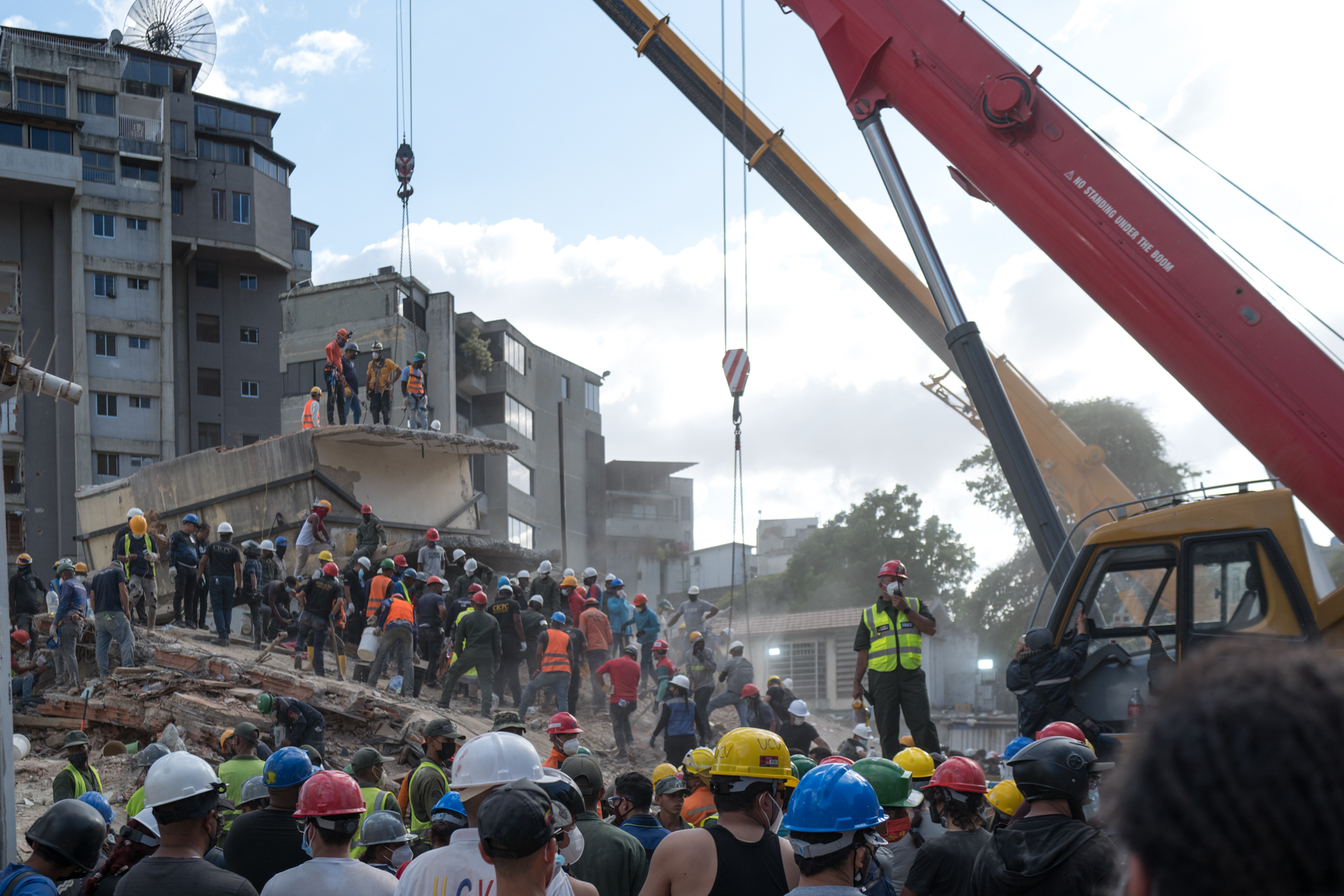

Emergencies escalate quickly when roles are unclear & communication breaks down.
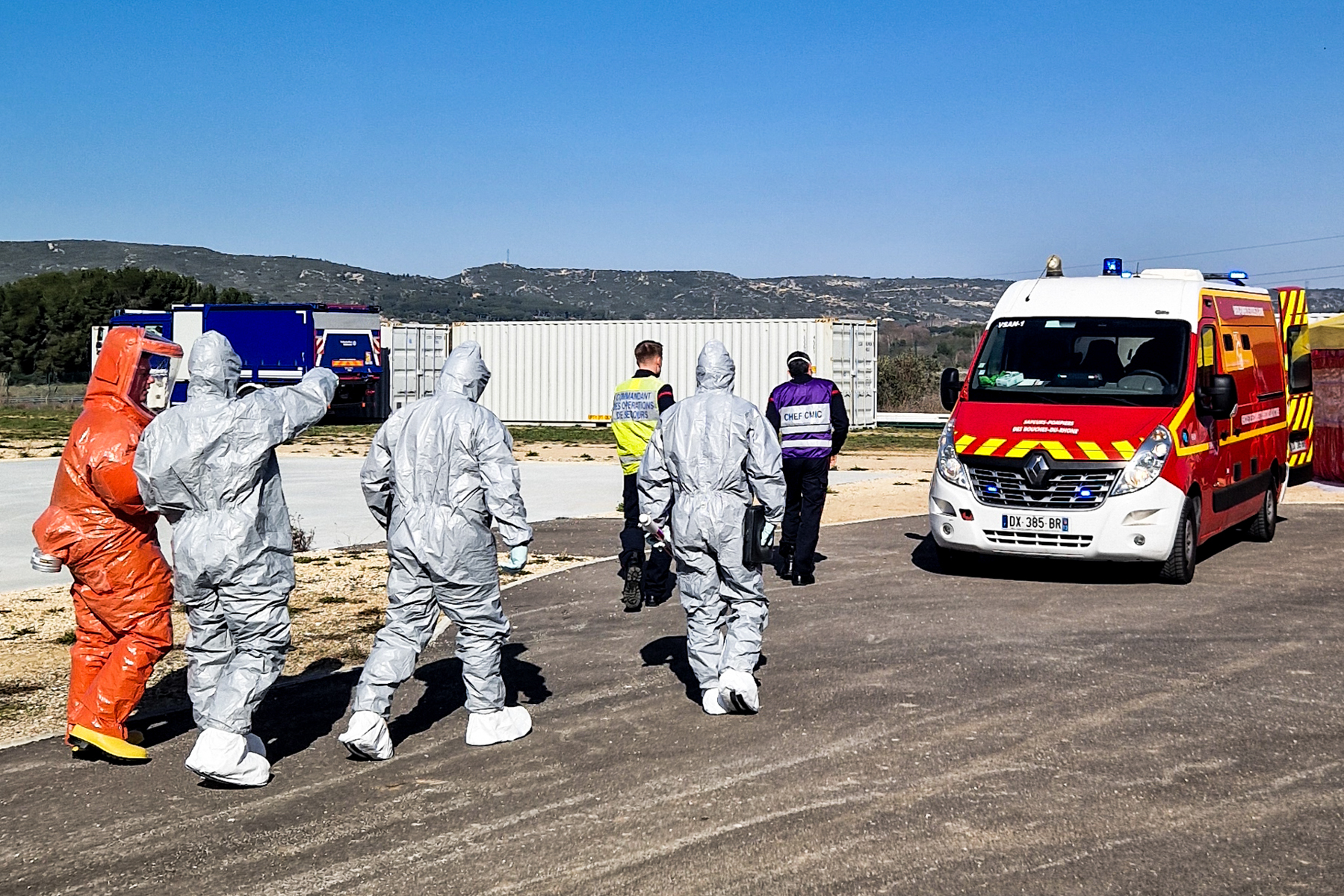
Preparedness & coordination reduce operational impact and shorten recovery time.
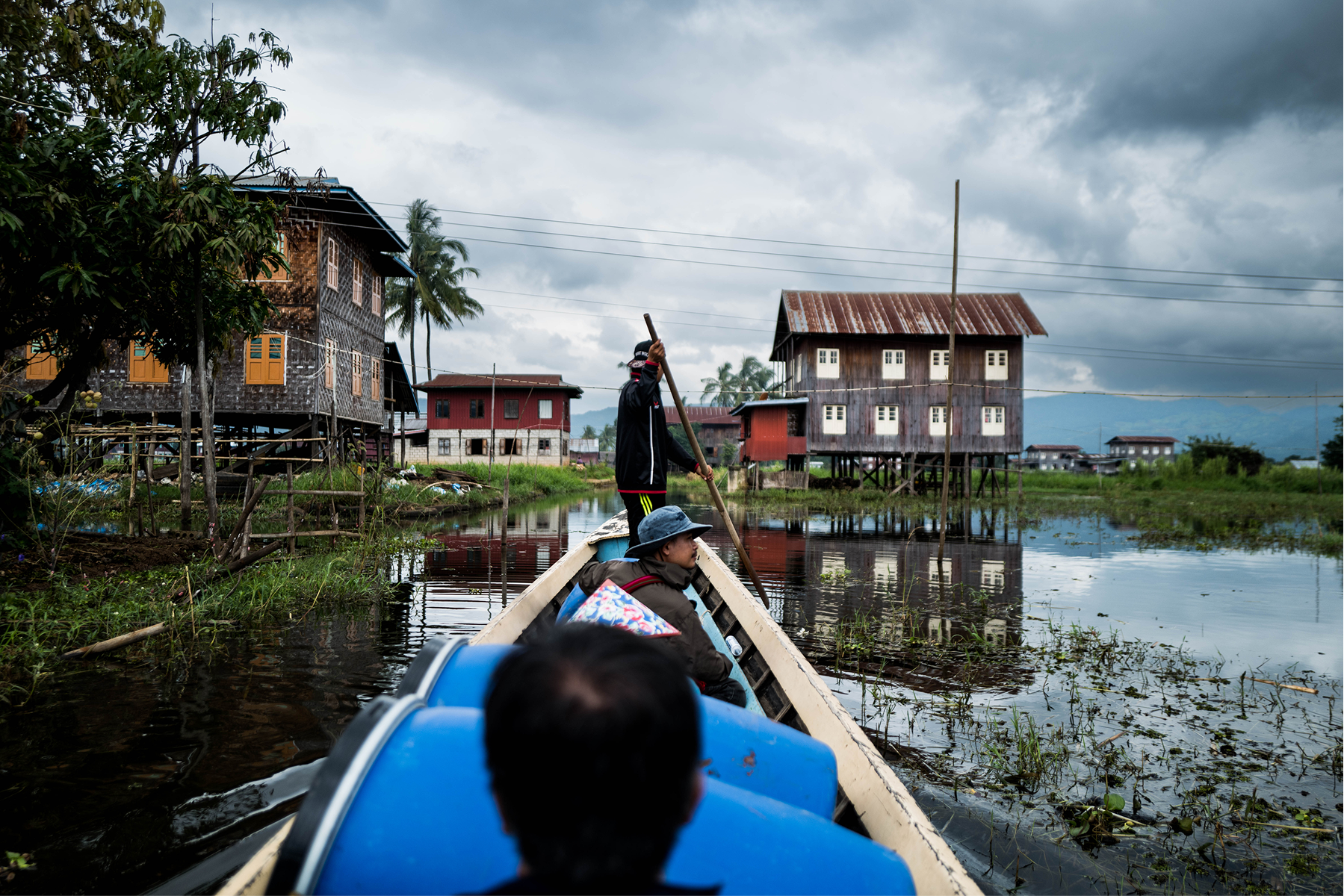
Complex Crisis Management supports when situations move beyond routine processes, across crisis, emergency, and disaster management.
Click on each card to learn more about the concepts that guide crisis and emergency work.

An emergency disrupts normal operations, but existing structures can still manage it.
A disaster overwhelms local capacity, and normal coordination stops working. The difference is not drama, it is capacity.

In everyday language, “risk” is often used loosely. In professional contexts, risk describes the potential impact of an event on objectives, operations, or people. For example, saying “there is a flood risk” does not describe the rain itself. It describes the expected consequences for exposed systems, assets, or communities. Understanding this difference helps teams move from vague concern to concrete action.

Imagine your site loses power, suppliers fail, and information stays incomplete. Resilience means you keep the essentials running, adapt quickly, and recover without chaos. It is not “toughness”.
It is readiness, coordination, and the ability to learn and improve after impact.

A hazard is a potentially damaging process, either natural or man-made, such as floods, storms, industrial accidents, or infrastructure failure.
A disaster occurs when that hazard meets exposed and vulnerable systems and exceeds coping capacity.
This distinction matters because it shifts focus from the event itself to preparedness, system design, and responsibility.
Structured coordination when normal processes are no longer sufficient.
Systematic assessment of vulnerabilities and capacity building before crisis hits.
Practical preparation through realistic scenarios and hands-on practice.
Structured coordination when normal processes are no longer sufficient.
We step in when situations fall outside normal processes and need structured action.
One shared situation picture across all stakeholders
Focused decision-making when time is critical
Side by side, working together through the pressure

Up-to-date methods, practical tools, and exercises based on real experience
Systems that work under stress while remaining flexible

Shared principles that guide action when plans break down.
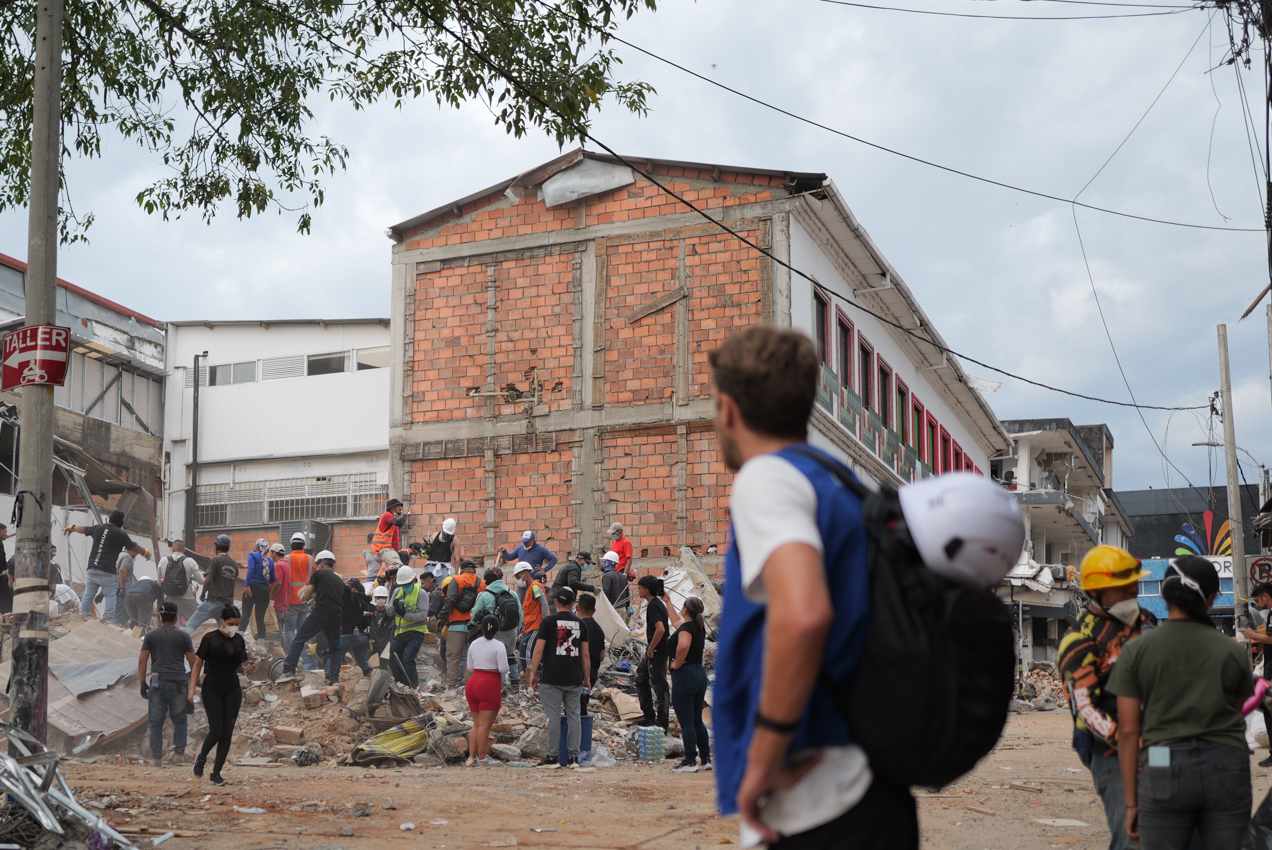
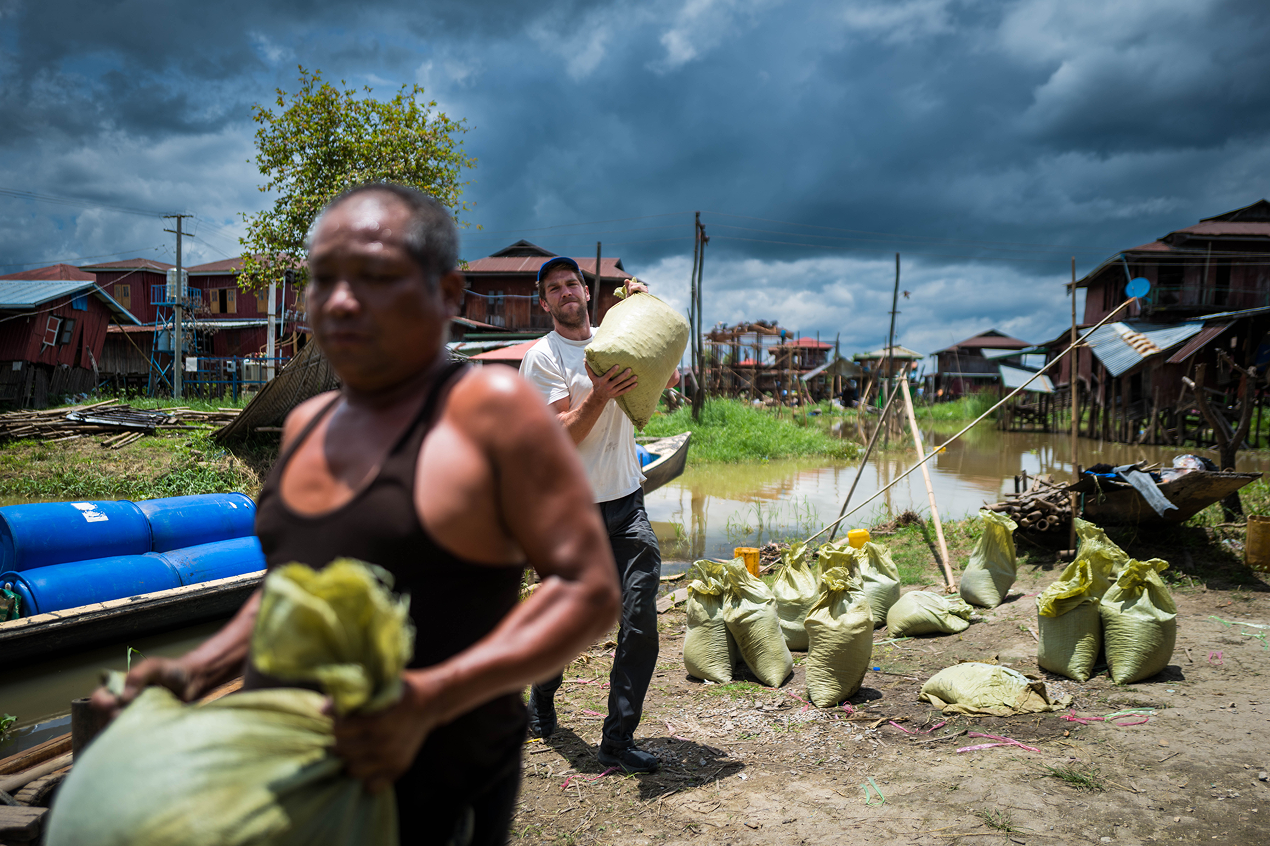
Built on international field experience across humanitarian, technical, and organizational contexts.
The focus stays practical: coordination, communication, and solutions under pressure.
Digestible Insights for Financial Growth and Innovation.
Learn about the people and approach

What we can do together
Insights from experience
Get in touch