

Myanmar I - Earthquake Response and Access Challenges
On the morning of March 28, 2025, a powerful earthquake struck central Myanmar, with its epicenter near Sagaing. Official figures later reported around 3,300 fatalities, although many observers believe the real number of victims may have exceeded 10,000 once rural areas and collapsed buildings were fully accounted for. For humanitarian organizations, the disaster triggered an immediate mobilization. Within two days our team was preparing to deploy, initially heading to Thailand, which served as the closest operational hub from which we could organize entry into Myanmar.
Access and Entry Constraints
Reaching the country, however, proved more complicated than simply boarding a flight.
In the weeks following the earthquake, visa regulations had tightened considerably, and many international staff experienced delays or uncertainty regarding entry permissions. Our team spent nearly a week in Thailand navigating these administrative barriers, coordinating with local partners and monitoring the evolving situation inside the country before we were finally able to travel onward to Yangon.
Operational and Political Context
Even after arrival, the question of how to reach the affected areas remained unresolved.
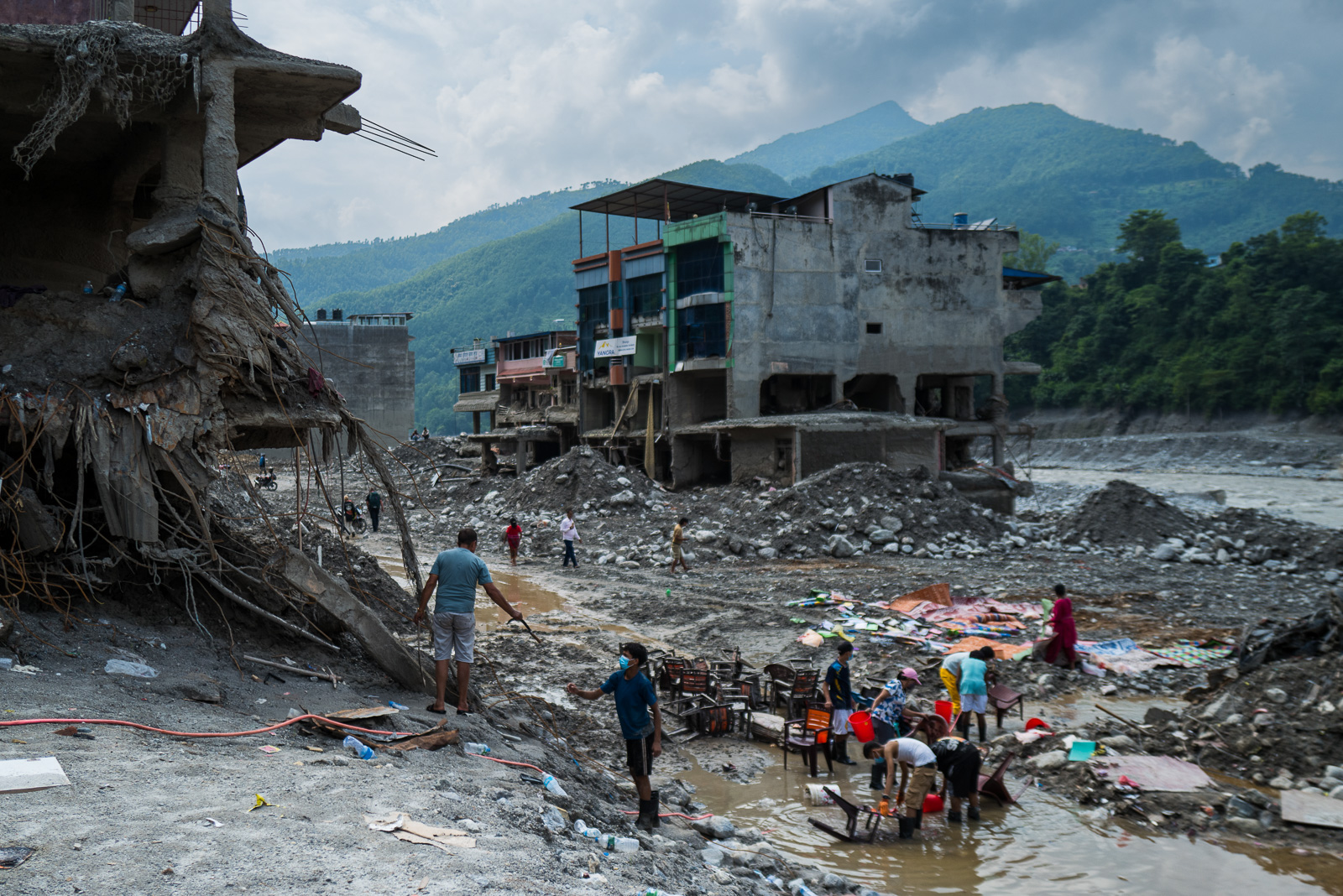
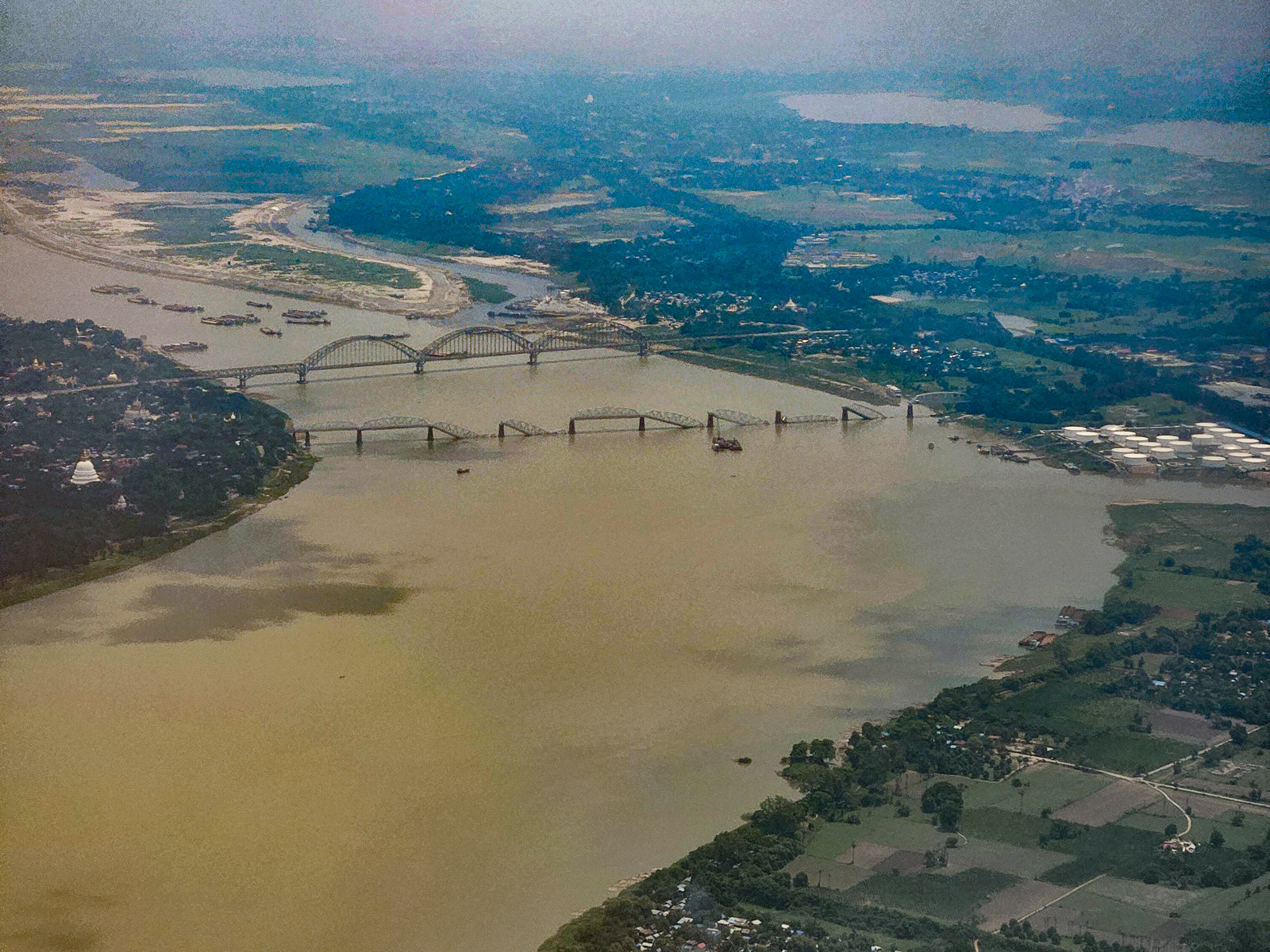
The earthquake had caused widespread structural damage across several regions, including Mandalay, Sagaing, and surrounding rural areas. This raised immediate operational concerns about the safety of existing infrastructure, the stability of damaged buildings, and the ongoing possibility of aftershocks that could further destabilize already weakened structures.
At the same time, the humanitarian response unfolded within the complex political environment that has characterized Myanmar since the military takeover in 2021. For aid organizations operating under humanitarian principles, maintaining neutrality and independence is essential, particularly in conflict-affected areas such as Sagaing, where multiple actors are present and access to communities can be politically sensitive.
Several organizations had already reported challenges regarding access to certain locations, including instances where authorities attempted to direct humanitarian assistance toward areas that were less severely affected or where visibility of international aid would be higher. For our team, it was therefore important to carefully analyze how assistance could be delivered in a way that remained aligned with humanitarian principles and prioritized communities based on need rather than administrative preference.
Security and Communication Challenges
Security assessments became a central part of the preparation process.
Movement inside the country is influenced by a network of checkpoints and administrative controls, while digital communication is heavily restricted. Access to common communication platforms such as Facebook or WhatsApp is technically limited and often requires the use of virtual private networks in order to function reliably. Internet connectivity itself is frequently unstable, which complicates coordination and limits the availability of real-time information from affected regions.
Financial and Logistical Constraints
Financial logistics present another layer of complexity.
International bank cards often provide extremely unfavorable exchange rates when withdrawing cash locally, while transferring funds through formal banking channels can be slow or unreliable. As a result, humanitarian operations frequently depend on carefully managed cash logistics to ensure that teams can procure materials, transport supplies, and pay local contractors.
Local Response and Community Mobilization
Despite these challenges, one of the most striking aspects of the response was the extraordinary mobilization of Myanmar’s own civil society.
Across the country, small businesses, religious organizations, and community groups began organizing support for affected populations almost immediately. Donations flowed in the form of food, clothing, and financial contributions, while volunteer networks coordinated transport and distribution to displaced communities. In several camps that we visited, where families had relocated after their homes collapsed, the organization of daily life was remarkably structured. Food distribution, basic shelter arrangements, and community coordination were managed with impressive efficiency by local volunteers and community leaders.
This strong internal response formed the backbone of the early recovery phase.
Field Operations and Support Activities
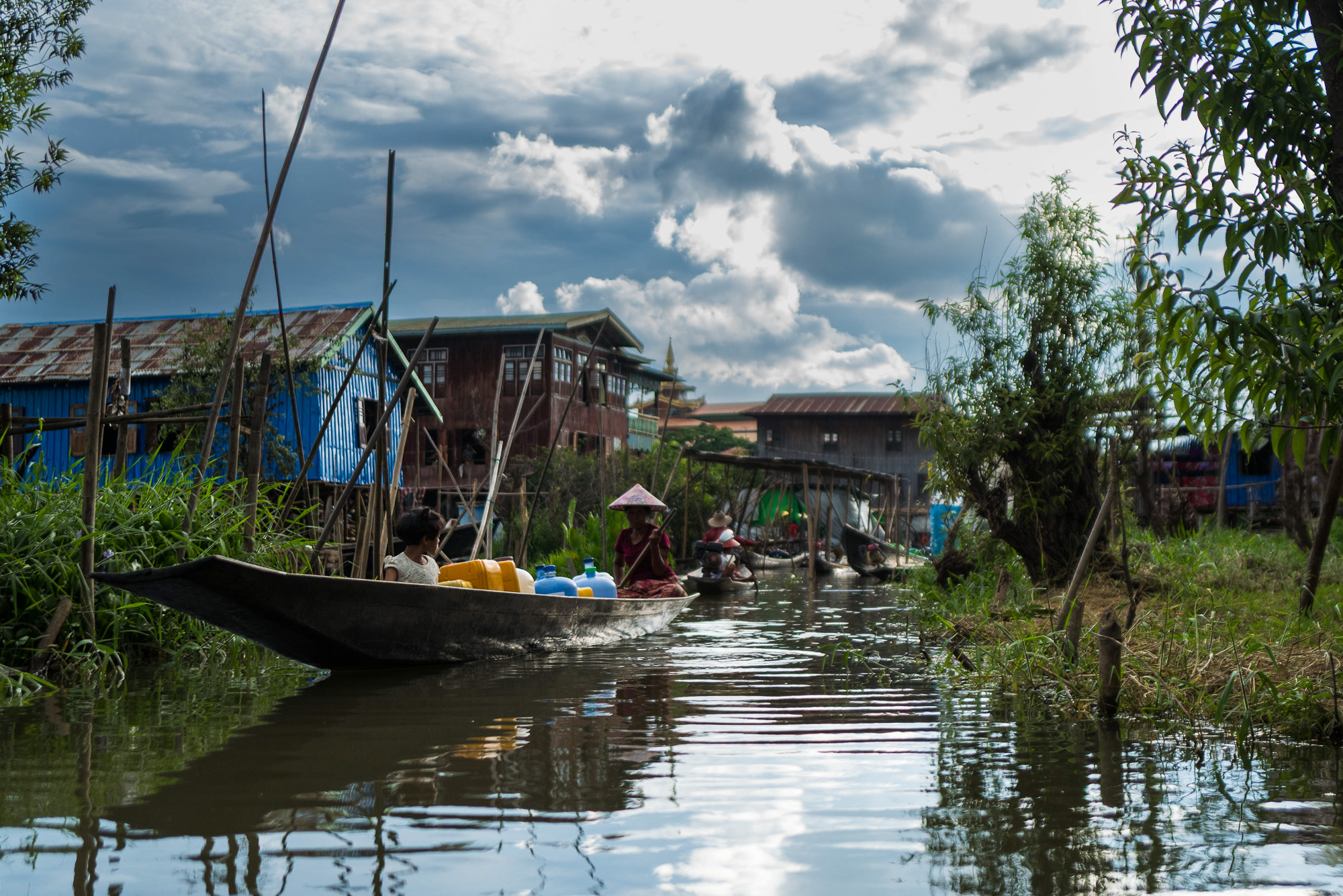
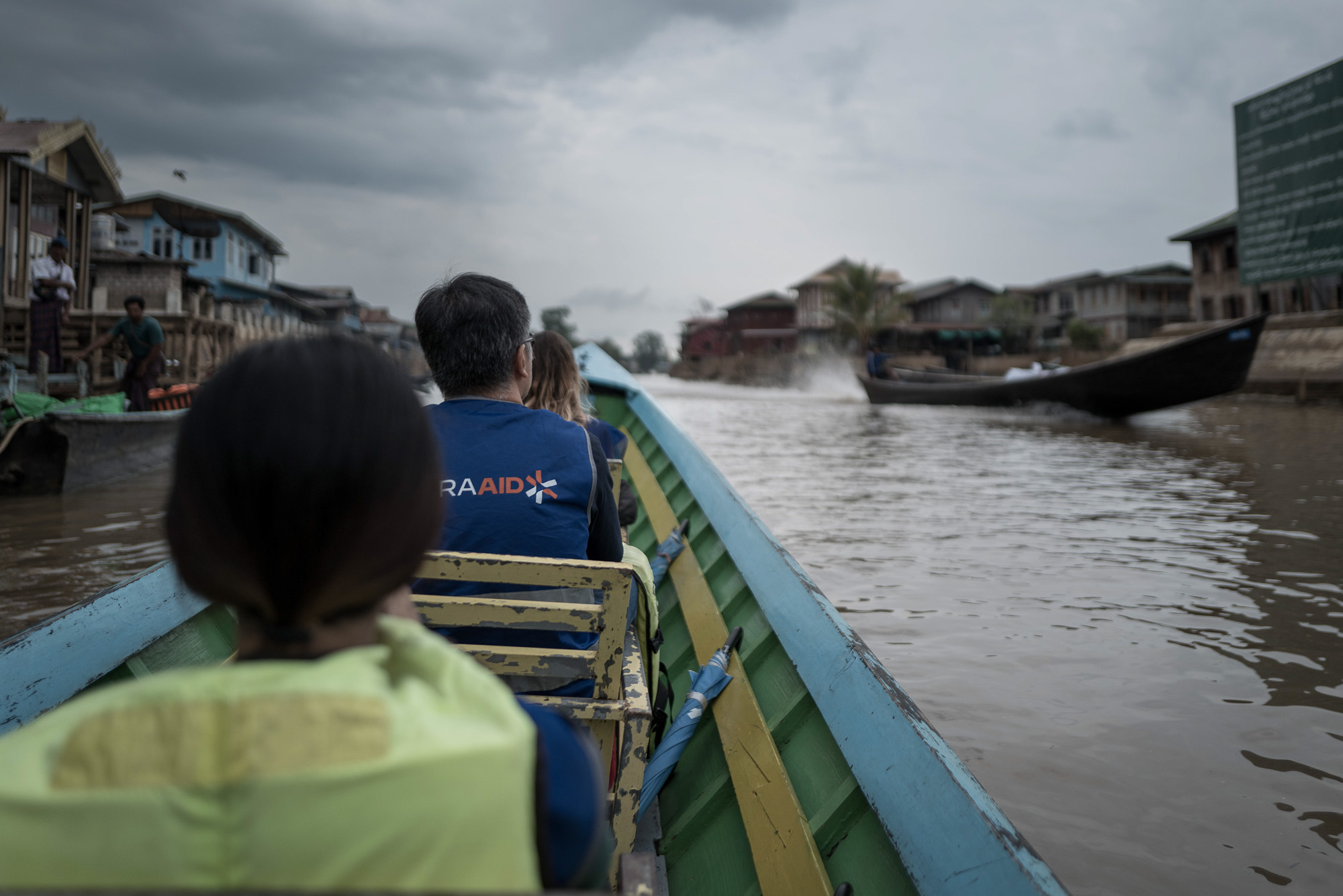
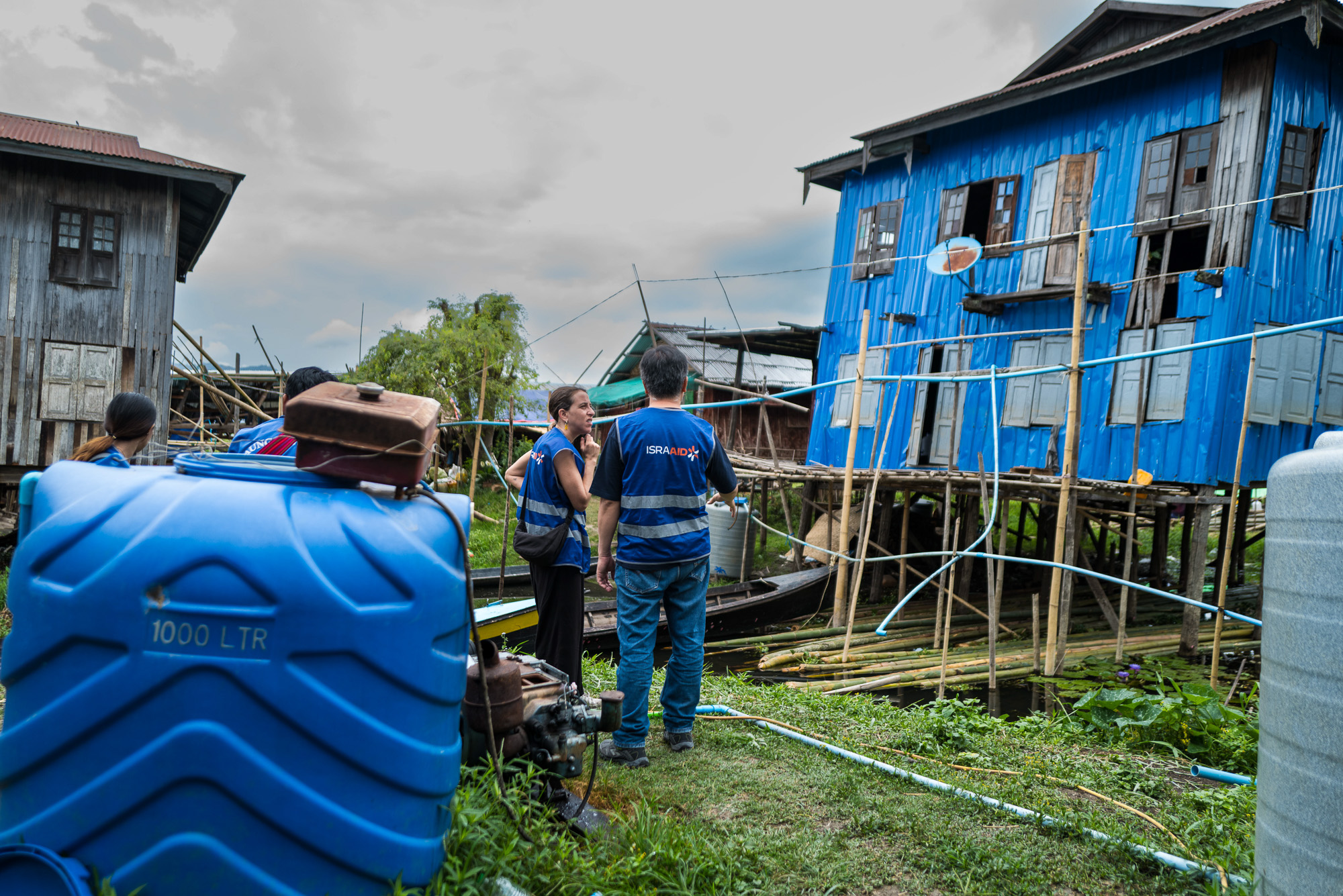
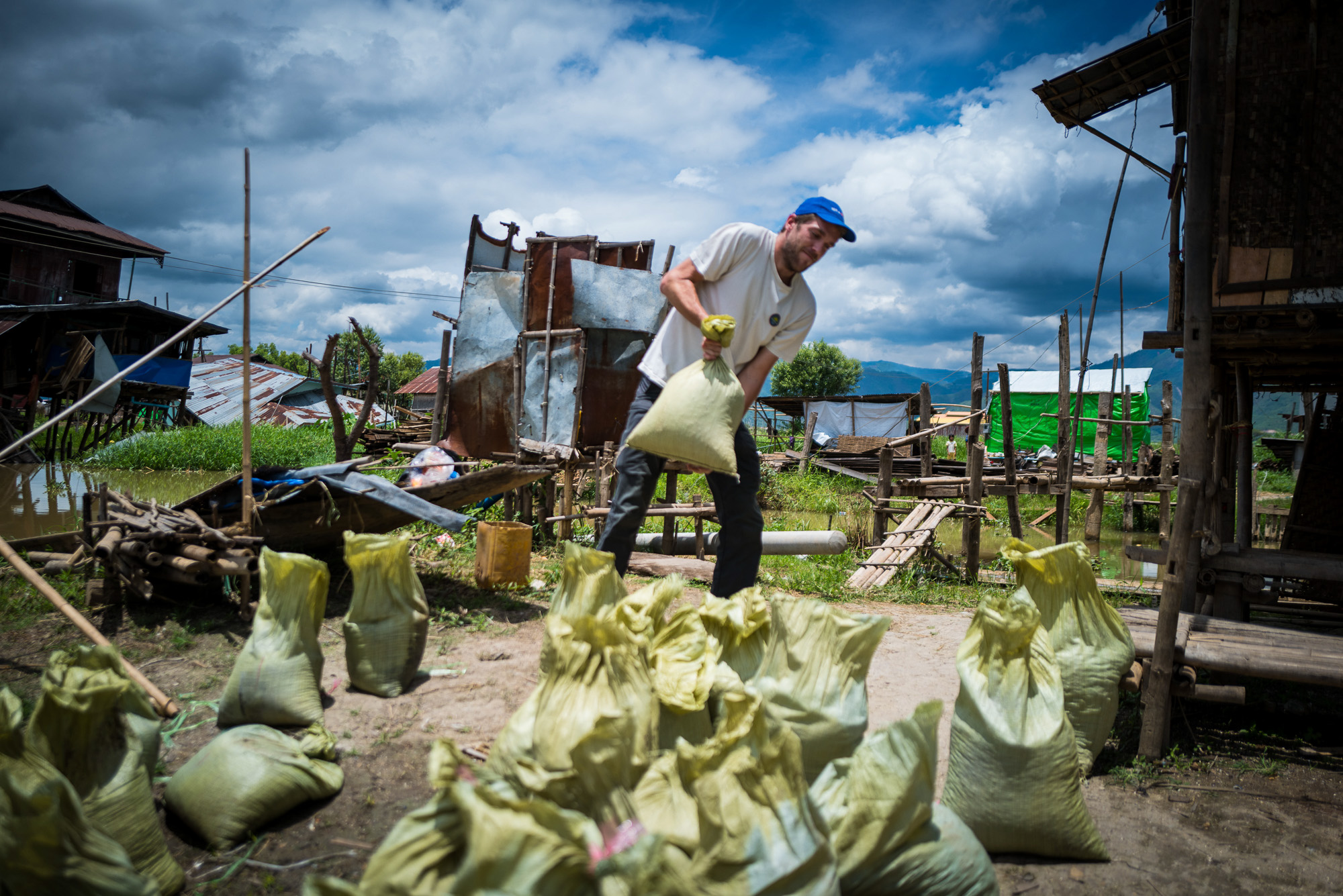
Our team eventually traveled north toward Mandalay and surrounding areas, including communities around Inle Lake and Yamethin, where the earthquake had caused extensive damage to homes and local infrastructure.
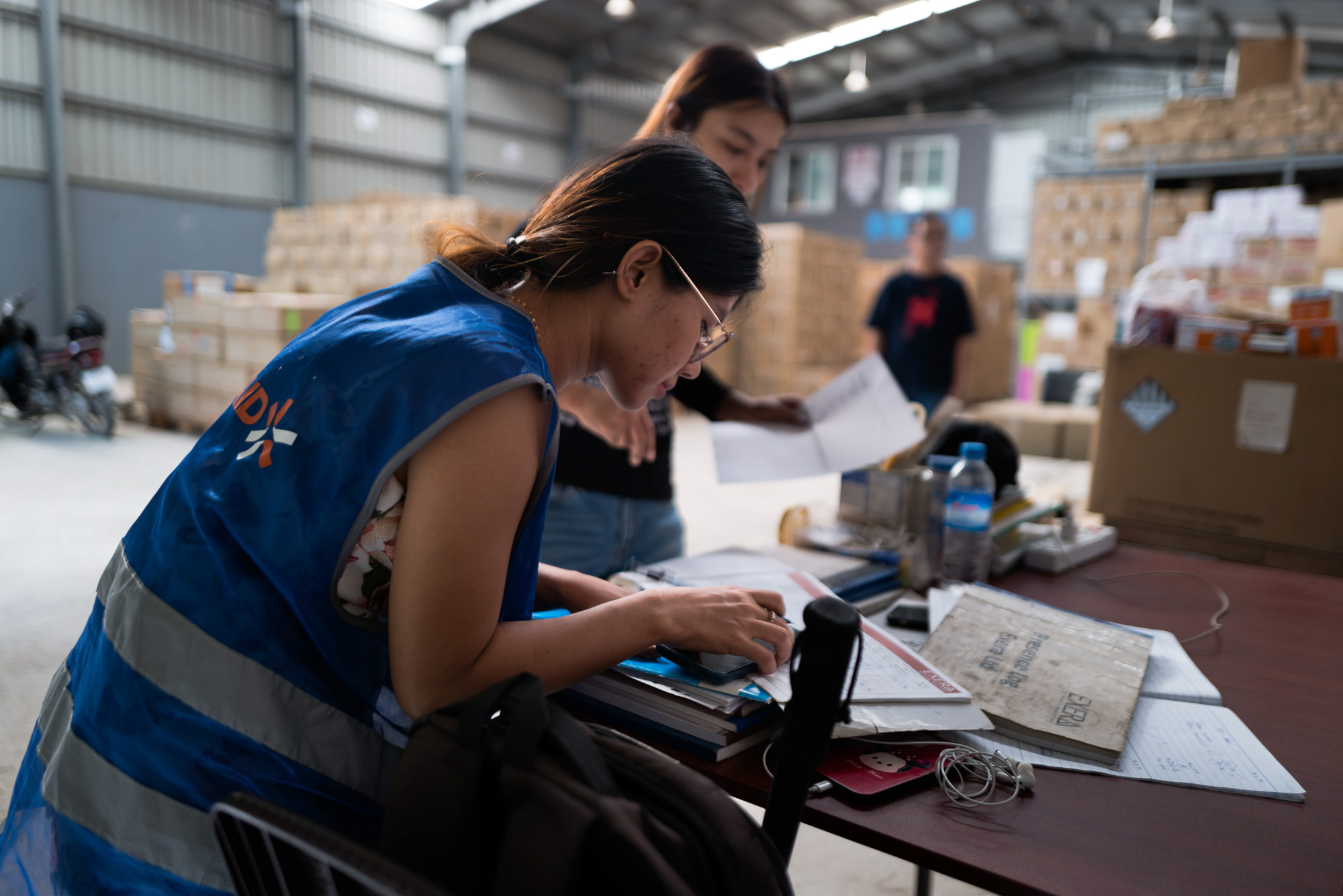
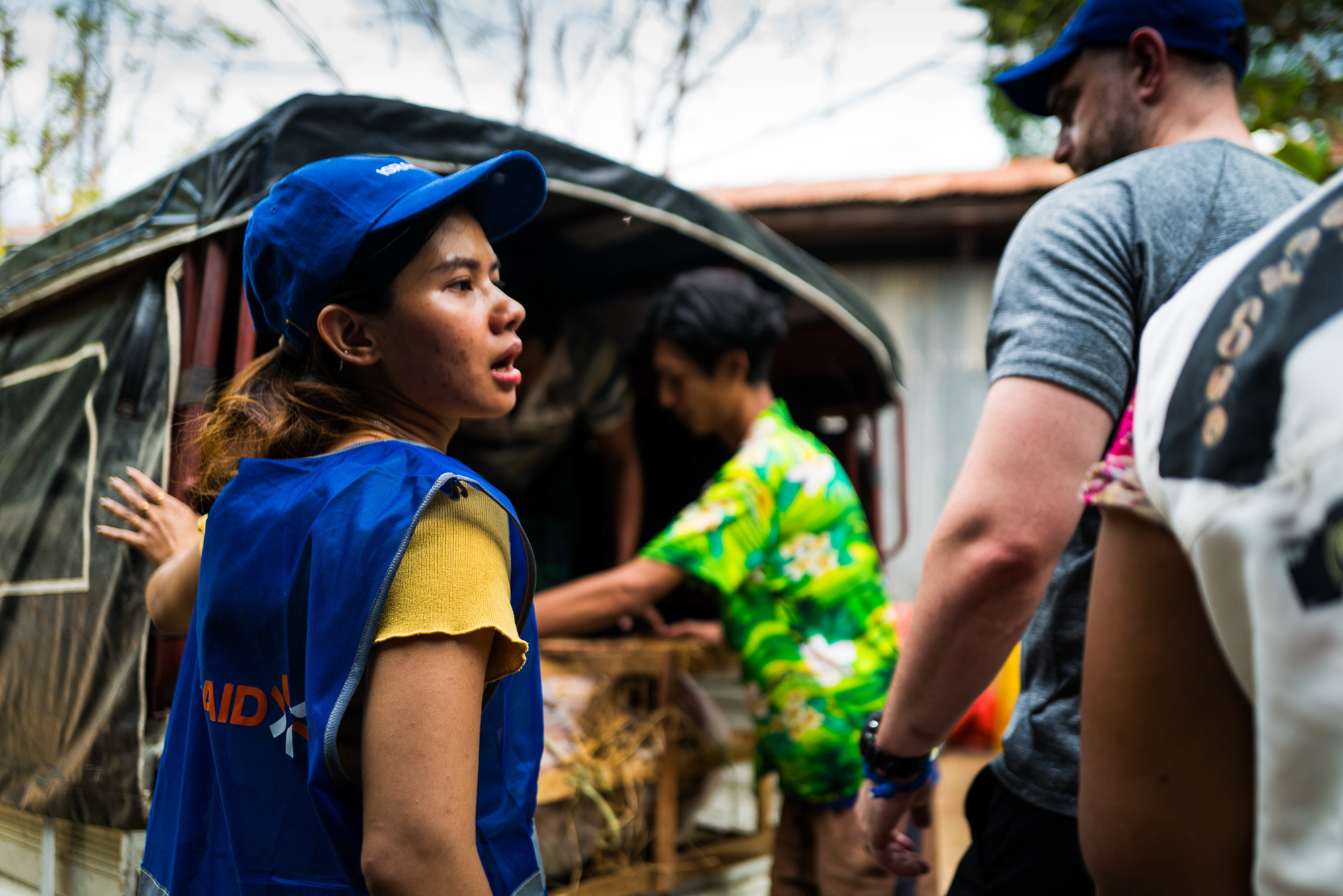
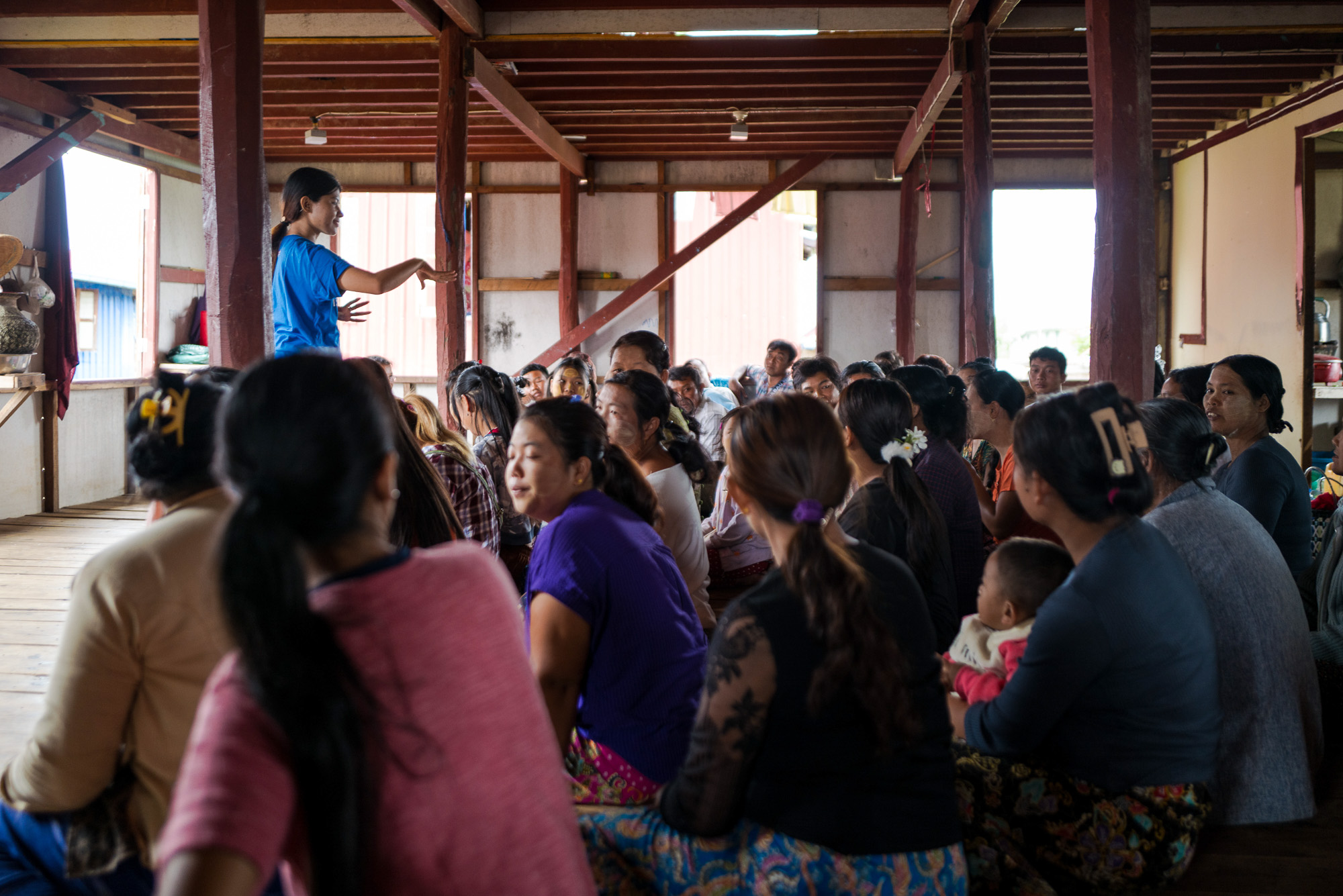
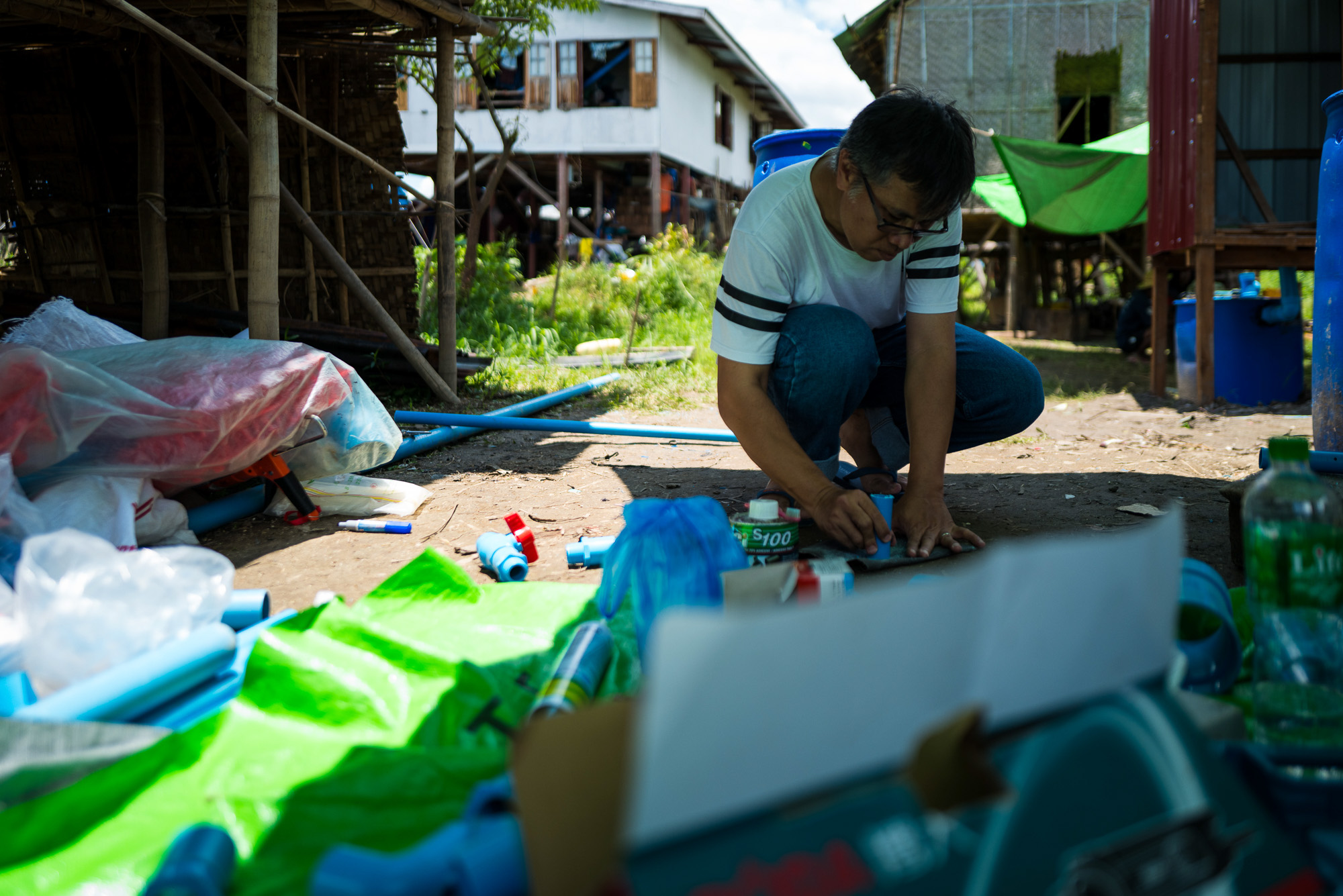
Initial support focused on the distribution of hygiene kits and household water filters, which helped families maintain basic sanitation under difficult conditions, while parallel activities included mental health and psychosocial support (MHPSS) training for local responders and community volunteers who had been directly involved in the early rescue and relief efforts.
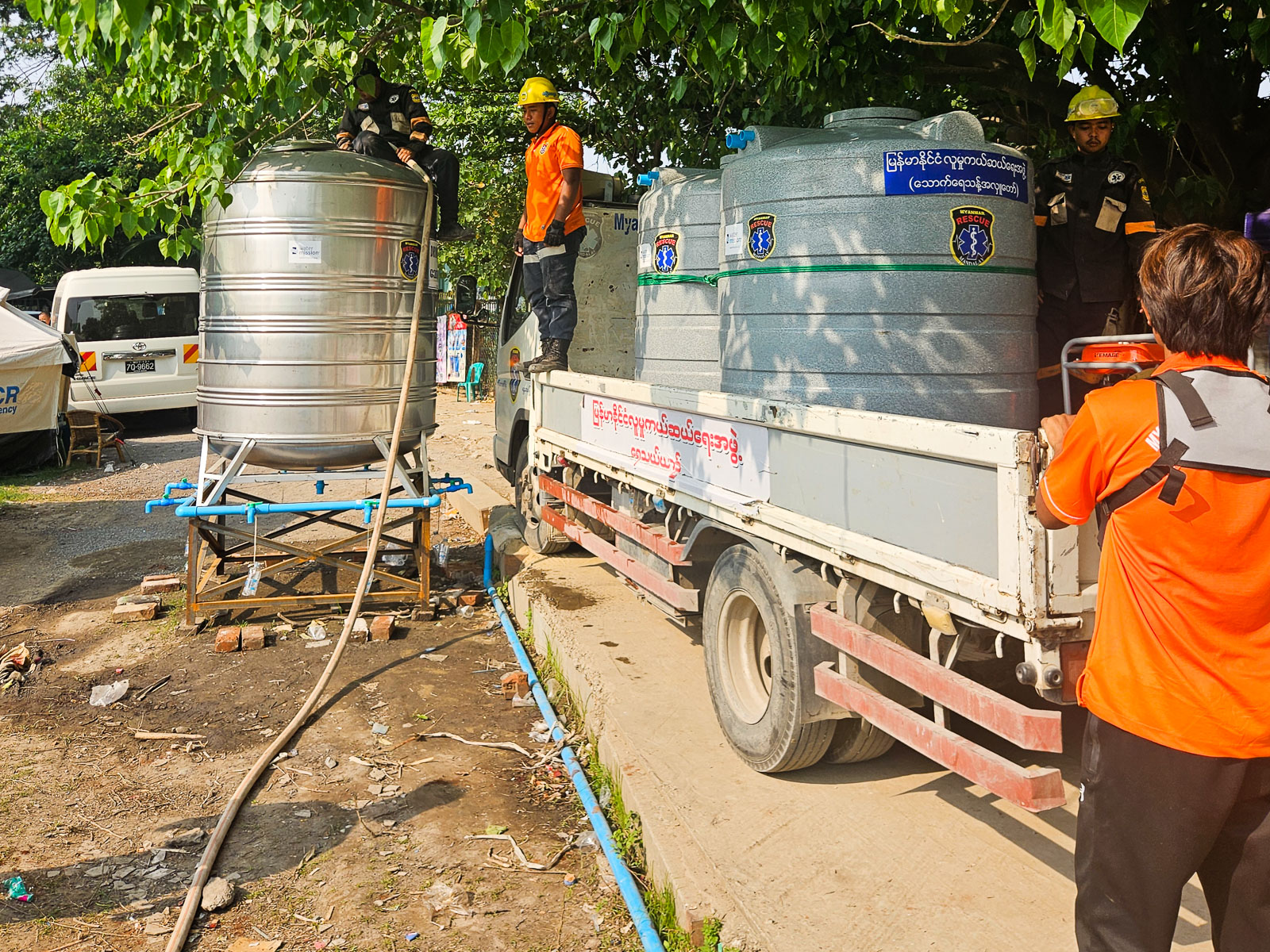
Beyond immediate assistance, we also began assessing opportunities for more structural interventions, particularly in the water sector. In several locations the earthquake had damaged wells and local water systems, which meant that restoring safe water access quickly became a priority. Rehabilitation of boreholes and repairs to existing water infrastructure therefore formed part of the longer-term support activities that followed the initial emergency phase.
Coordination and Adaptation
Operating in Myanmar during this period required constant adaptation.
Reliable information was often difficult to obtain, access to certain locations changed frequently, and many organizations faced similar limitations regarding travel permissions and communication. As a result, coordination with other humanitarian actors became an essential mechanism for understanding the broader situation on the ground. Information sharing between organizations allowed teams to build a more complete picture of needs, risks, and operational possibilities, even when direct access to some communities remained limited.
Resilience and Conclusion
Despite the many logistical and administrative challenges, the mission also revealed a country defined by remarkable resilience.
Across cities, villages, and temporary camps, communities had mobilized rapidly to support one another, creating systems of assistance that were structured, organized, and deeply rooted in local networks of solidarity. In many ways, this collective response demonstrated that the first and most immediate layer of disaster response often comes not from international actors, but from the communities themselves.